AI Search Visibility Audit: The Exact Checklist Agencies Should Use in 2026

An AI search visibility audit is a process that evaluates how often your brand is mentioned, cited, and accurately represented across AI search engines like ChatGPT, Google AI Overviews, and Perplexity.

It measures citation frequency, retrieval accuracy, and whether your content is selected as the source in AI-generated answers.

Clients want to know why their brand does not appear in ChatGPT answers or Google AI Overviews’ citations. And agencies need to answer in terms of strategy and numbers. But why is this so urgent?

In July 2025, TechCrunch reported that Google AI Overviews reached about 2 billion monthly users, with AI Mode at around 100 million in the US, making AI discovery a measurable channel rather than a future bet.

This guide gives you a productizable AI visibility audit you can sell as a repeatable service deliverable. You will get a six-category checklist, a 0 to 100 scoring rubric, and a 30/60/90 day execution roadmap. You will also get a prompt-based system that replaces keywords as the primary measurement unit as the primary measurement system for AI search.

What Is an AI Search Visibility Audit (And Why It’s Different from an SEO Audit)?

An AI search visibility audit or Generative Engine Optimization audit is a process to evaluate how well your brand is understood, trusted, and cited by AI-powered answer engines. This includes AI engines like ChatGPT, Perplexity, and Google AI Overviews.

An AI visibility audit measures:

  • Your brand presence: Does your brand appear in AI-powered answer engine responses?
  • Your branding accuracy: Is your brand information being captured accurately by LLMS?
  • Customer sentiment: How does AI frame your brand? (Is it described as an industry leader in your market niche?)
  • Competitive positioning: How is your brand pitched against the competition when it comes to answering specific queries in the niche?

However, if you want to measure these parameters, your AI visibility audit needs to include,

  • Technical AI readiness
  • Semantic content structure
  • Entity trust signals

How AI Search Visibility Differs from Traditional SEO?

Traditional SEO still plays a foundational role in AI visibility, especially for crawlability, content structure, and authority signals. Many businesses now combine SEO services with GEO/AEO strategies to improve both search rankings and AI citations.

This matters because AI answers compress the buyer journey, and a single cited source can win the click that organic listings used to capture.

Here are some key differences.

Dimension SEO Audit AI Visibility Audit (GEO and AEO)
Primary goal Improve rankings and traffic Improve citations and answer selection
Inputs measured Keywords, pages, links, crawl Prompts, entities, schema, citations, trust
Success metrics Rank, CTR, sessions Mentions, cited URLs, accuracy, coverage gaps
Optimization focus SERP positions Model retrieval and citation readiness
Client question answered Did we rank? Did we become the answer?

Why AI Search Visibility Matters in 2026

AI search visibility matters because buyers are outsourcing evaluation to assistants that summarize, compare, and recommend vendors in one step. For businesses, the risk is that a competitor becomes the default recommendation inside answers, even when your brand ranks well for classic queries.

The fastest way to make this tangible is to define a baseline AI visibility audit score, then map each fix to the exact prompts where the brand currently disappears.

When you present improvements as citation lift and answer coverage, the audit stops being subjective and becomes operational.

Step 1: Set the Audit Scope (Platforms, Audience, Goals)

The audit scope matters because you cannot fix what you cannot measure across the right engines and buyer intents.

Start by selecting the AI platforms relevant to this client’s market.

  • A B2B SaaS client may prioritize ChatGPT and Perplexity prompts, while a multi-location consumer brand may prioritize Google AI Overviews.
  • Next, map prompt intent to the ideal customer profile and the buying stage, because informational prompts and vendor selection prompts require different content structures.
  • Finally, define what winning means for this client, such as accurate positioning, brand-mention coverage, or citations for high-intent prompts.
  • Create a one-page audit scope sheet that lists target engines, target personas, and the goal definition for reporting.

Step 2: Build Your Money Prompt Set (10-30 Prompts)

A money prompt set matters because prompts replace keywords as the unit of measurement for AI discovery. Build ten to thirty prompts that mirror real buyer questions and decisions, and then use the same prompt set as your audit baseline and ongoing reporting cadence. Use three prompt categories so you capture awareness, evaluation, and conversion intent in one system.

Category prompts for agency services.

Write prompts like Best payroll software implementation partner for healthcare so you can test whether the client appears in curated recommendations. Track which competitors show up, and record which URLs get cited in the answer.

Problem solution prompts for buyer pain.

Write prompts like How do retail brands reduce checkout abandonment without redesigning everything so you can test whether the client’s expertise gets pulled into the explanation. These prompts often cite guides, research summaries, and pages with clear definitions.

Comparison prompts for shortlist decisions

Write prompts like Brand A vs Brand B and Alternatives to Brand B so you can see where the model positions the category and which comparison pages it trusts. This is where agencies can sell AI-driven visibility services in geo aeo as a recurring program, because the prompts keep changing with the competitive landscape.

Deliverable: Create a prompt tracker sheet with columns for engine, prompt, response summary, brand mention, cited URLs, and competitors shown.
The AI Visibility Audit Checklist: Six Core Categories

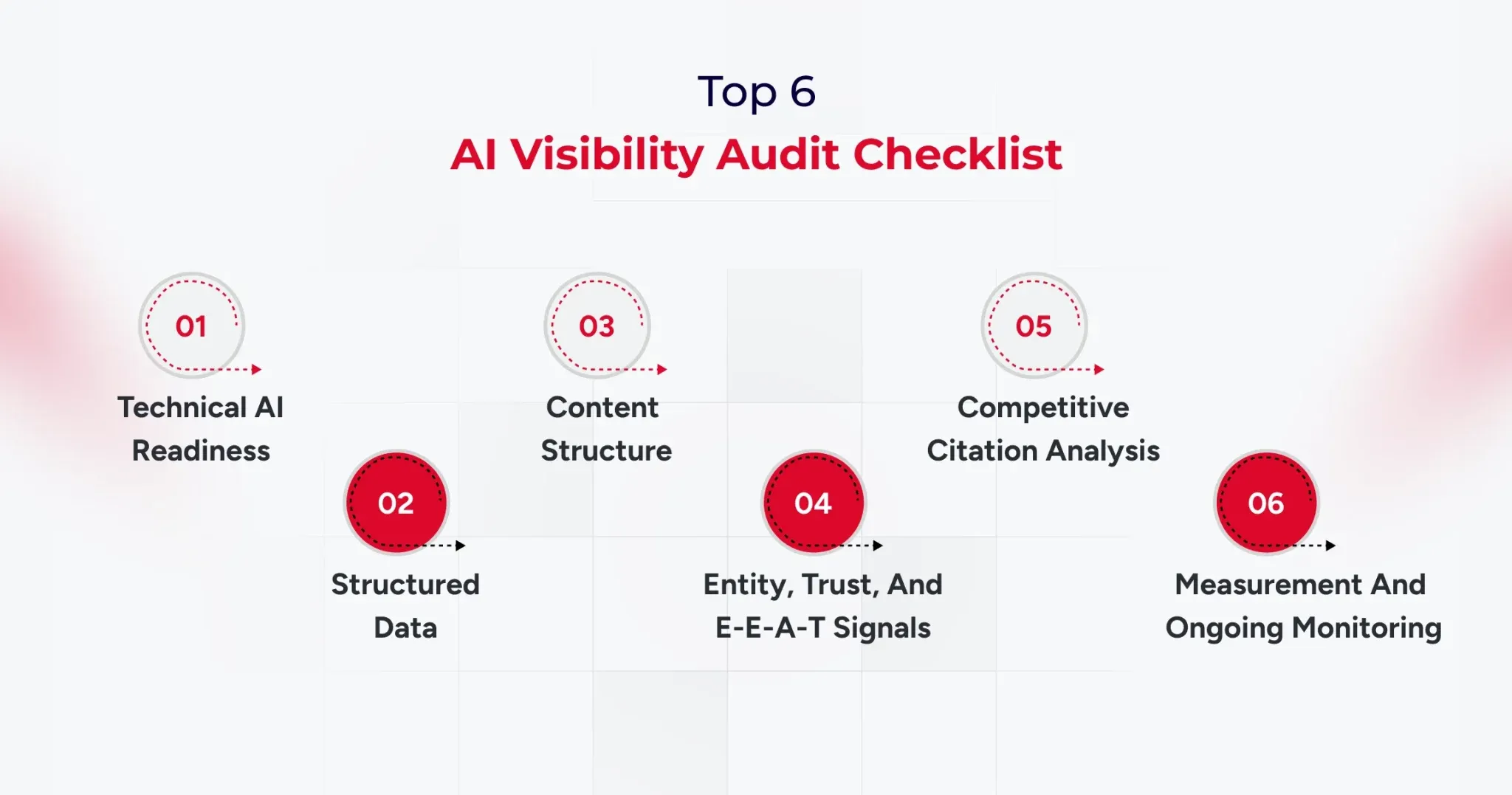
A six-category checklist matters because clients approve audits when you show clear weights, concrete checks, and failure definitions. Use a scored checklist totaling 0 to 100 points, and force every finding into a measurable category with a clear remediation path.

1) Technical AI Readiness (20 points)

  • Confirm that key AI user agents are not blocked in robots.txt, including GPTBot, ClaudeBot, and PerplexityBot.
  • Verify crawl eligibility, indexability, and snippet extractability on priority pages.
  • Check performance, rendering, and stability on critical templates, especially on mobile.
  • Confirm HTTPS, canonical consistency, and sitemap freshness for the pages you expect to be cited.

Failure looks like blocked bots, inconsistent canonicalization, and pages that render poorly for crawlers.

2) Structured Data and Machine Understanding (20 points)

  • Validate JSON-LD schema for Organization, Article, FAQ, and Product where relevant.
  • Confirm that the schema matches the visible content, with no mismatches that could raise trust issues.
  • Check for an llms.txt file if the client uses one, and ensure it aligns with content priorities.
  • Verify Knowledge Graph entity claims, including consistent brand descriptors across properties.

Failure can look like missing, mismatched, or inconsistent entity descriptions.

3) Content Structure and Citation Readiness (30 points)

  • Ensure the answer appears in the first two to three sentences after each heading.
  • Write clean definitions that are copy-friendly and context complete.
  • Add lists and tables where the prompt expects them.
  • Support claims with proof such as data, case studies, and measurable outcomes.
  • Use question-based H2 structures when the prompt set indicates direct questions.

Failure looks like slow responses, vague claims, and pages that read like marketing copy rather than evidence.

4) Entity, Trust, and E-E-A-T Signals (20 points)

  • Add author bylines with credentials when expertise matters.
  • Maintain consistent brand descriptions across the website, profiles, and listings.
  • Identify third-party mentions, citations, and references from authoritative sources.
  • Evaluate the entity’s presence on sources like Wikipedia and Wikidata when relevant to the brand.
  • Document methodology on key pages so claims look reviewable.

Failure looks like anonymous content, inconsistent brand bios, and no third-party validation.

5) Competitive Citation Analysis (5 points)

  • Identify which competitors win citations for the target prompt set.
  • Capture which competitor URLs are being cited and why they fit the prompt.
  • Map content gaps where the client is missing pages that match the prompt intent.

Failure appears when competing pages are consistently cited, even though the client has no equivalent asset.

6) Measurement and Ongoing Monitoring (5 points)

  • Maintain a prompt tracking system with weekly or biweekly checks.
  • Track citation frequency and brand mention coverage by engine and prompt cluster.
  • Create a before-and-after report format that clients can sign off on.

Failure looks like one-off screenshots and no repeatable baseline.

Scoring note: A score below 60 indicates a high risk of AI invisibility and should be addressed as a priority.

AI Visibility Checking Tools Agencies Should Use in 2026

AI visibility checking tools matter because agencies need proof, baselines, and ongoing monitoring beyond traditional rank tracking.

You need four tool categories, and you should select tools based on the audit category they support, not based on brand popularity.

AI Visibility Checking Tools for Technical and Crawl Readiness

Use Google Search Console, Screaming Frog, and a crawler suite like Semrush to validate indexability, rendering, and template issues. Tie every finding back to the prompt set pages you expect to be cited, because generic crawl stats do not move AI citations by themselves.

AI visibility checking tools for structured data validation

Use Google’s Rich Results Test and Schema Markup Validator to confirm schema accuracy and coverage. Report schema findings as pass fail checks with URLs, so the remediation list becomes straightforward for engineering teams.

AI visibility checking tools for citation monitoring and AI tracking

Use an AI visibility tracker when you need prompt-level history, citation URLs, and sentiment trends across engines. Platforms like Profound and Wellows are positioned around multi-engine citation tracking and workflow reporting, while suites like SE Ranking are building bridges between classic SEO signals and AI visibility monitoring.

AI visibility checking tools for reporting and workflow proof

Use prompt tracking spreadsheets, annotated screenshots, and versioned reporting templates so the client can see progress by prompt cluster.

This is also how you turn AI visibility work into a monthly program, because the system becomes your audit-and-reporting engine.

How to Package AI-Driven Visibility Services in GEO/AEO for Clients

Packaging matters because the AI visibility audit becomes more valuable when it leads directly to an execution motion. You can offer three service models, each with a clear scope, deliverables, and reporting cadence.

Model 1: One-time AI Visibility Audit Report

The scope focuses on baseline scoring, findings, and a Top 10 GEO fixes list.

Model 2: Monthly GEO retainer

Scope focuses on prompt tracking, monthly citation delta reporting, and ongoing content and structure improvements.

Model 3: Full GEO as a service

Scope includes audit, content restructuring, technical fixes, schema improvements, entity building, and reporting.

Timeline expectations should be conservative and measurable, with early movement often visible within four to eight weeks and more stable citation gains typically visible within eight to sixteen weeks.

Scoring Your Client’s AI Visibility (0-100 Agency Rubric)

A scoring rubric matters because clients approve work when you quantify risk and prioritize fixes with a consistent standard.

  • Use the 0 to 100 score as a weighted summary of the six audit categories, and make sure every finding can be traced to an explicit score impact.
  • Use three score bands so the client can quickly understand severity.
  • A score below 60 indicates high risk and major visibility gaps.
  • A score from 60 to 79 indicates moderate risk with clear optimization opportunities.
  • A score of 80 or above indicates strong readiness, with effort shifting to competitive citations and prompt coverage expansion.

From Audit to Action: The 30/60/90-Day GEO Roadmap

A 30/60/90 roadmap matters because clients want a plan that converts audit findings into a calendar they can approve.

Start by building a priority matrix based on impact and effort, then map each fix to a time-bound sprint.

30/60/90 structure

  • Days 0 to 30: complete technical fixes, finalize baseline prompt tracking, and deliver the scored report.
  • Days 31 to 60: restructure content for answer first format, improve definitions, add tables and comparisons, and align entity language.
  • Days 61 to 90: monitor citations, run competitive gap analysis, and deliver a second baseline comparison with deltas.

Deliverable: Create a Top 10 GEO fixes list with issue, impact, effort, owner, and deadline.

Conclusion

An AI visibility audit is now a core agency deliverable because AI answers shape discovery at a massive scale. When Google AI Overviews alone reach about two billion monthly users, agencies cannot treat citations and answer selection as optional.

Use this AI visibility audit checklist to score readiness, prioritize fixes, and move from baseline to measurable citation gains with a 30/60/90 roadmap. If you standardize prompts, scoring, and reporting, you can turn AI visibility audit work into a repeatable service line with clear proof.

And if you are looking to improve AI search visibility without going through the hassle of creating a template, connect with our experts now.

A Quick Guide to Create High-Converting Lead Magnet Optin Forms

A simple Optin form can be the difference between a fleeting visitor and a loyal customer.

Simply obtaining site visitors is not sufficient for business success. To convert random site visitors into passionate clients you require conversion-driving approaches which guide prospects into client status. The application of lead magnet Optin forms is what comes into the role.

All forms have different levels of effectiveness since they do not function equally. Poorly designed Optin forms together with those positioned in inconvenient locations will allow prospects to escape your lead base. A lead magnet form that impresses prospects during their first interaction will help you establish trust while developing relationships that produce successful deals. So, whether you’re offering a free trial, a whitepaper, or an exclusive demo, here is the key to unlocking the leads you’ve been missing.

Ready to see your conversions skyrocket? Let’s get started!

Top 6 Benefits of Having a Lead Magnet Optin Form on Your WordPress Site

If you’re still on the fence about whether a lead magnet Optin form is right for your WordPress site, let’s break down the real benefits—because this isn’t just about collecting emails.

1. Capture Quality Leads Who Are Actually Interested

When you offer something valuable in exchange for someone’s email (like a free trial, eBook, or exclusive demo), you’re not just collecting random email addresses. You’re attracting leads who are genuinely interested in what your software can do. This means the leads you gather are more likely to convert into paying clients.

2. Build a Trusting Relationship with Your Audience

A lead magnet Optin form isn’t just a way to collect emails—it’s a way to start a conversation. By offering something of value upfront, you’re demonstrating that you’re not just interested in making a sale but in providing meaningful value. This builds trust from the get-go.

3. Nurture Leads with Automated Follow-Ups

One of the most powerful benefits of having a lead magnet Optin form is the ability to automate your lead nurturing. Once someone subscribes, you can set up an email sequence that guides them through the journey from visitor to customer.

4. Improve Conversion Rates and ROI

Once your form is set up and integrated with your email service provider, it practically runs itself. No more chasing down leads manually or relying on costly ad campaigns to generate interest. With an automated Optin form, you can continue growing your list, increasing conversions, and improving ROI—without lifting a finger.

5. Gain Valuable Insights into Your Audience

Your WordPress Optin form isn’t just a tool for collecting leads; it’s also a treasure trove of insights. By analyzing who is signing up, where they’re coming from, and what offers resonate the most, you can better understand your audience’s preferences and pain points.

6. Scale Your Business with a Growing Email List

With a lead magnet Optin form, you’re constantly growing this list with targeted, engaged leads who want to hear from you. As your list grows, so do your opportunities to nurture relationships, share updates, and upsell to existing customers. A well-maintained email list also gives you the chance to promote new features, upgrades, or special offers.

Easy Steps to Create a Lead Magnet Optin Form for Your WordPress Website

Creating a high-converting lead magnet Optin form for your WordPress site doesn’t have to be complicated. Whether you’re a WordPress pro or a beginner, there are several ways to get your form up and running.

  • Choose your Email marketing platform
  • Select a WordPress plugin for Optin forms
  • Create a lead magnet
  • Design your Optin form
  • Setup an Email marketing integration
  • Set display rules and targeting options
  • Create a thank-You page or confirmation message
  • Test and optimize your form

Here’s a simple, step-by-step guide to help you create a form that attracts and converts visitors into valuable leads.

  1. Choose Your Email Marketing Platform

Before you get started, you need an email marketing provider to store and manage your leads. Some of the most popular options include:

  • Mailchimp
  • ConvertKit
  • ActiveCampaign

Most of these platforms offer integration with WordPress plugins, making the process easier. Choose the platform that best suits your business needs and sign up for an account.

2. Select a WordPress Plugin for Optin Forms

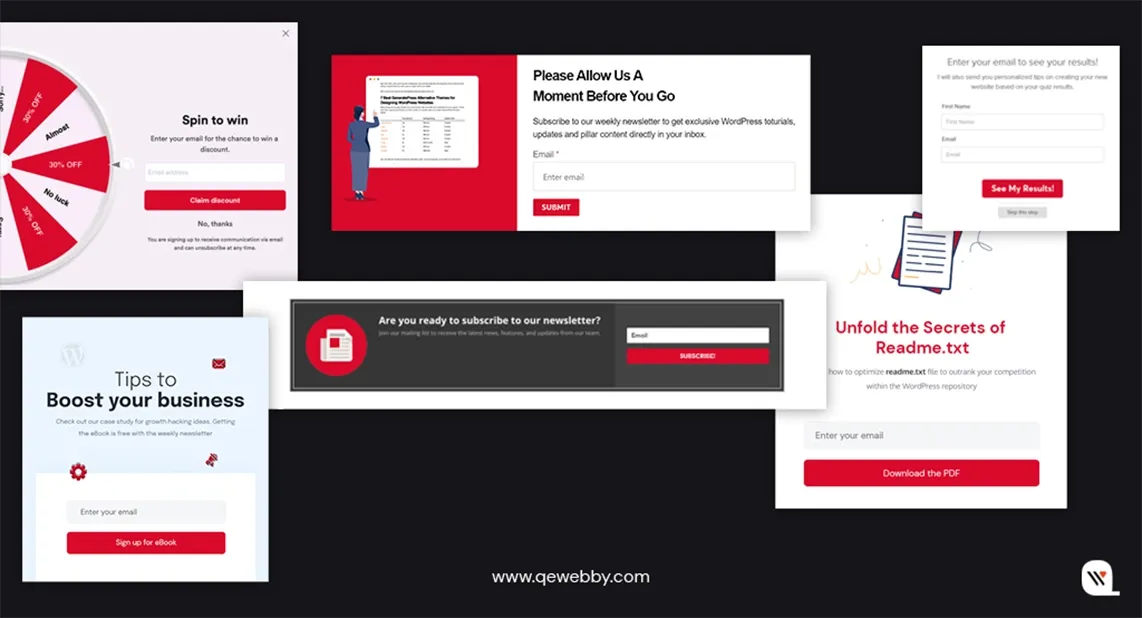
Now that you’ve picked your email provider, it’s time to select a plugin to build and manage your Optin forms. There are several excellent WordPress plugins available, and the choice depends on your needs. Choose a plugin that fits your level of expertise and offers the features you need. Some popular ones include:

3. Create a Lead Magnet

This step is crucial—create a lead magnet that needs to be enticing enough for visitors to exchange their email addresses. Make sure you create a lead magnet that addresses a specific pain point your audience faces and is relevant to your software. A lead magnet could be:

  • A free trial or demo of your software
  • An eBook or whitepaper with valuable insights
  • Case studies showing how your product solves specific business problems
  • A checklist or template for potential customers

4. Design Your Optin Form

Once your plugin is installed and activated, it’s time to design your Optin form. Most plugins allow you to easily customize the design, so take advantage of that to make the form look professional and inviting. Here are some tips:

  • Keep it simple: Only ask for essential information—usually just name and email.
  • Be clear: Use a compelling headline that explains the value of the lead magnet. For example: “Get Our Free 30-Day Trial Now!”
  • Use a strong call-to-action (CTA): Make it action-oriented like “Download Now” or “Claim Your Free Trial.”
  • Match your branding: Ensure your form’s colors, fonts, and images align with your website’s look and feel.

5. Set Up Email Marketing Integration

After designing your Optin form, you need to connect it with your email marketing service. This will ensure that when someone submits the form, their email is added to your list and they get the promised lead magnet. Now, when someone subscribes to your Optin form, they’ll be automatically added to your list and sent the lead magnet. Here’s how to do it:

  • Go to your plugin settings and find the Email Integration section.
  • Enter the necessary API key or credentials from your email marketing service (Mailchimp, ConvertKit, etc.).
  • Map the form fields (like Name, Email) to your email service’s fields to ensure everything syncs correctly.

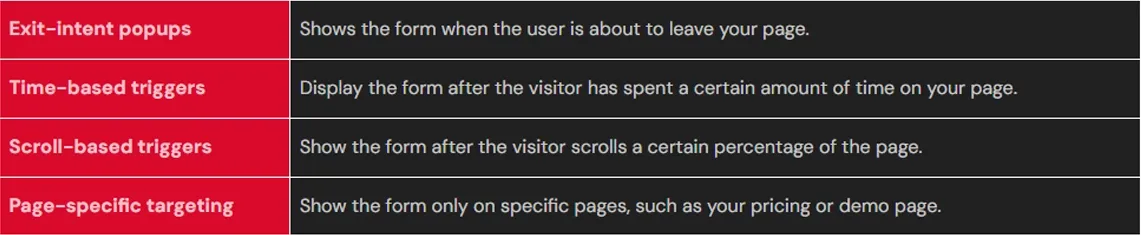
6. Set Display Rules and Targeting Options

The next step is deciding when and where your Optin form will appear on your site. Display rules help ensure your form is shown at the right time, maximizing conversions. Most plugins allow you to easily set these triggers to optimize your form’s visibility. Here are a few options to consider:

7. Create a Thank-You Page or Confirmation Message

Once a visitor submits their information, you want to thank them and guide them to the next step. Make sure your thank-you page or message is clear and directs them to the next action. You can either:

  • Redirect them to a thank-you page: This page can include a download link for your lead magnet, access to a trial, or even a CTA to schedule a demo.
  • Show a thank-you message: If you prefer, you can display a message on the same page thanking them and providing access to the lead magnet.

8. Test and Optimize Your Form

Before going live, it’s important to test your form. Most plugins offer built-in A/B testing tools, so you can compare different versions of your form to find the most effective one:

  • Check the design: Ensure it looks good on both desktop and mobile devices.
  • Test functionality: Make sure the form is submitted correctly and integrates seamlessly with your email provider.
  • Optimize for performance: Use A/B testing to try different headlines, CTAs, and form placements. Track your conversion rates to see which versions perform best.

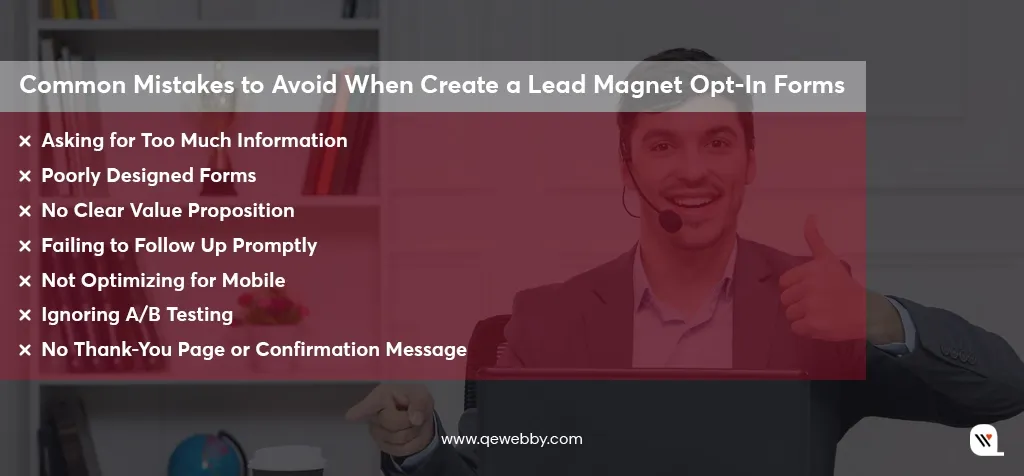
Common Mistakes to Avoid When Create a Lead Magnet Optin Forms

While you create a lead magnet Optin form while custom wordpress development is an exciting step, it’s easy to make a few mistakes that can hinder its performance. Here are some common pitfalls to avoid to ensure your Optin form is both effective and efficient:

1. Asking for Too Much Information

One of the biggest mistakes is requesting too much information upfront. Keep it simple! The more fields you have, the less likely visitors will be to fill out your form. Stick to the basics: name and email. Only ask for additional details (like company name or phone number) if absolutely necessary.

2. Poorly Designed Forms

An unappealing form can turn visitors away. Avoid clutter and make sure your design aligns with your website’s branding. Your form should be easy to read, visually appealing, and mobile-friendly. A clear, compelling CTA and a well-placed form can make all the difference.

3. No Clear Value Proposition

If your lead magnet doesn’t immediately communicate its value, visitors won’t bother signing up. Make sure your form clearly explains what they’ll get and why it’s worth their time. Use attention-grabbing copy and highlight the benefits of your offer, whether it’s a free trial, an eBook, or an exclusive resource.

4. Failing to Follow Up Promptly

Once someone subscribes, don’t leave them hanging. If they’ve signed up for a free trial or resource, make sure to send the promised content immediately. Set up automated follow-up emails to engage them right away and keep them interested.

5. Not Optimizing for Mobile

More than half of web traffic comes from mobile devices, so if your Optin form isn’t optimized for mobile, you’re losing potential leads. Test your form across different devices to ensure it looks great and functions smoothly on smartphones and tablets.

6. Ignoring A/B Testing

Don’t just set it and forget it. Regularly A/B test your Optin forms to see what works best. Experiment with different headlines, CTA buttons, and form placements to optimize your conversion rate.

7. No Thank-You Page or Confirmation Message

Always provide a clear next step after someone submits the form. A thank-you page or confirmation message reassures users that their submission was successful. This also gives you an opportunity to guide them to further actions, like checking their email or scheduling a demo.

In a Nutshell

Your WordPress Optin form is more than just a tool—it’s your digital handshake with potential clients. By offering valuable content in exchange for their information, you’re not only growing your email list but also building trust and credibility. With the right strategy and ongoing optimization, your Optin form can be the driving force behind your lead generation efforts. Our custom WordPress development services are here to assist with plugin setup, form design, and optimization—so you can focus on what matters most: growing your software business.

Ready to Boost Your WordPress Conversions?

Let’s Connect

7 Proven Strategies to Skyrocket Your WooCommerce Sales

WooCommerce powers over 5 Million online stores worldwide! It is a robust platform for businesses aiming to capitalize on online sales opportunities. However, merely having an online presence is no longer sufficient to guarantee success. And especially to thrive in today’s competitive market, businesses must harness the power of technology-driven strategies to optimize their WooCommerce stores and maximize sales conversions.
Check out these 7 strategies that will elevate your WooCommerce sales game!

1. Optimize Your Product Pages

Optimize Your Product Pages

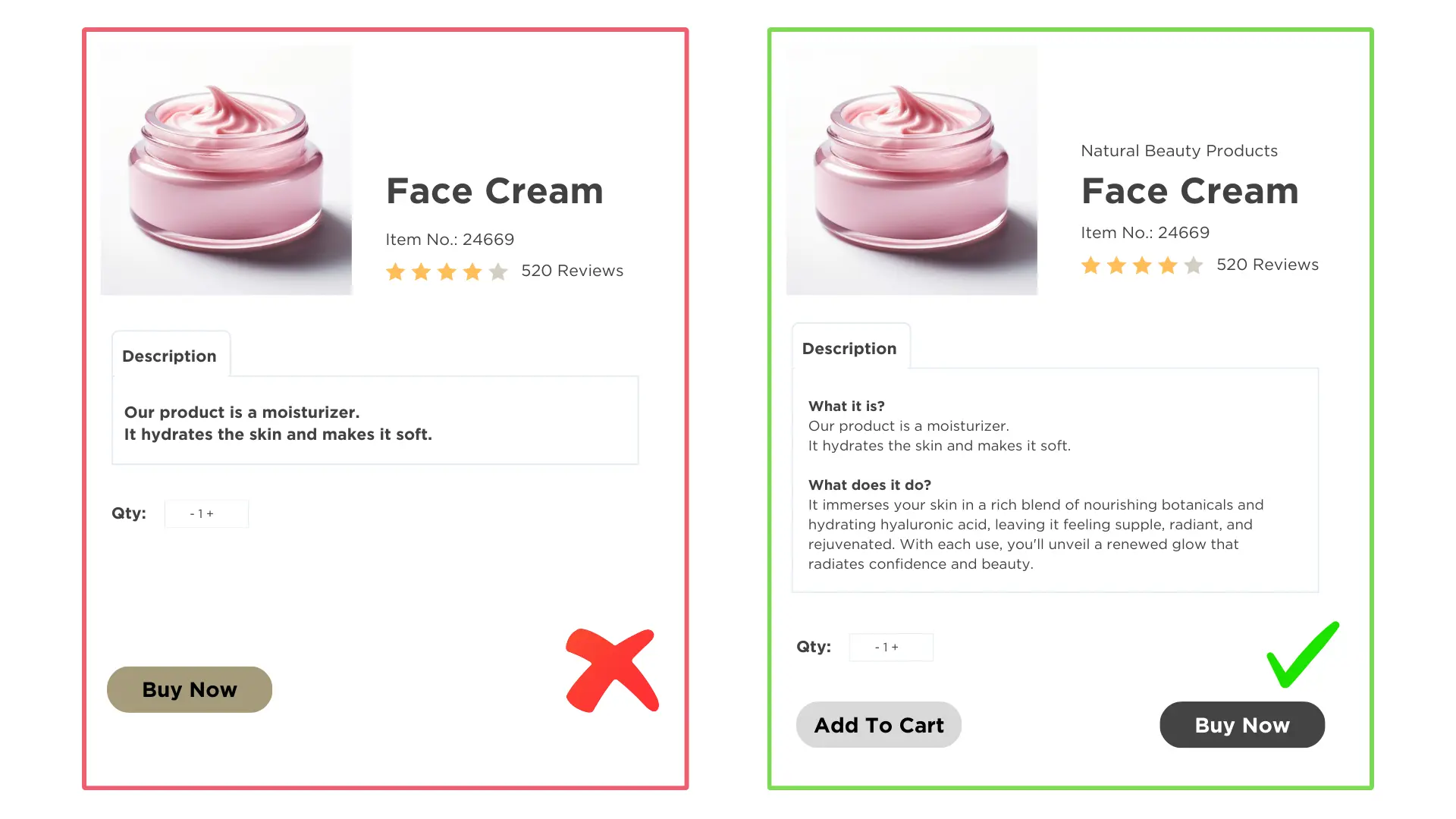
Your product pages are the digital storefront of your e-commerce business. They serve as the gateway to converting visitors into paying customers. Here’s how to fine-tune your product pages for maximum impact:

  • Craft product descriptions that not only inform but also inspire. Use vivid language to highlight the benefits and unique features of your products. Complement your descriptions with high-quality images that showcase your products from different angles, providing a clear and enticing visual representation.
  • Ensure your product pages are user-friendly and intuitive. Simplify navigation with clear and prominent CTAs, guiding visitors seamlessly towards making a purchase. Optimize your pages for mobile devices to accommodate the growing number of mobile shoppers, offering a smooth browsing experience across all devices.
  • Instill confidence in your potential customers by showcasing social proof. Incorporate customer reviews, testimonials, and ratings to demonstrate the quality and reliability of your products. Transparently communicate your shipping, return, and refund policies to reassure customers and foster trust.
  • Increase the visibility of your product pages in search engine results by optimizing for relevant keywords. Conduct keyword research to identify terms your audience is searching for and strategically incorporate them into your product titles and descriptions. Enhance your meta tags to improve your pages’ ranking and click-through rates.
  • Maximize sales opportunities by strategically presenting related or complementary products on your product pages. Encourage upselling and cross-selling by showcasing bundle offers or package deals. By suggesting additional items, you can increase the average order value and enhance the overall shopping experience.

WooCommerce development company like ours specializes in providing top-notch WooCommerce development services tailored to boost WooCommerce sales and enhance the performance of your WooCommerce store.

360 Product View for WooCommerce Plugin

Improve Your Customer Engagement with

Free Download

2. Utilize Discounts and Offers

Discounts and special offers can be powerful tools for driving sales and attracting customers. It creates a sense of urgency and exclusivity, motivating customers to purchase to take advantage of the savings. By offering discounts, you can enhance the perceived value of your products, making them more appealing to potential customers. Here’s why they work:

  • Offering discounts to first-time customers can encourage them to take the plunge and try your products or services.
  • It makes loyal customers feel rewarded as a token of appreciation for their continued support.
  • It re-engages customers who last made a purchase a while ago, enticing them to return and make another purchase.

And, here are some examples of how you can leverage them effectively in your business:

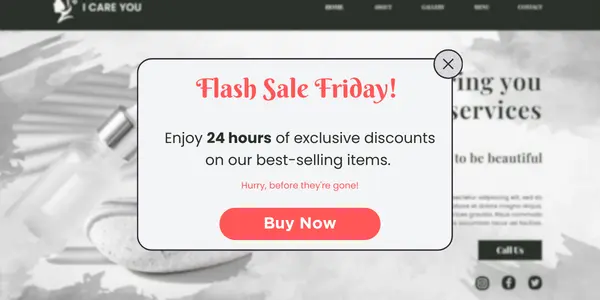
  • Flash Sales: Create a sense of urgency by offering limited-time discounts on select products, driving impulse purchases.

Flash Sales

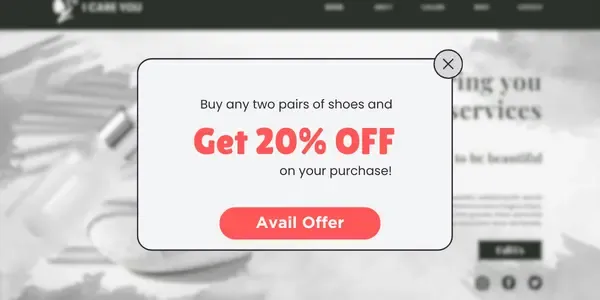
  • Bundle Deals: Offer discounts on bundled products or packages, encouraging customers to purchase multiple items at once.

Blog Image

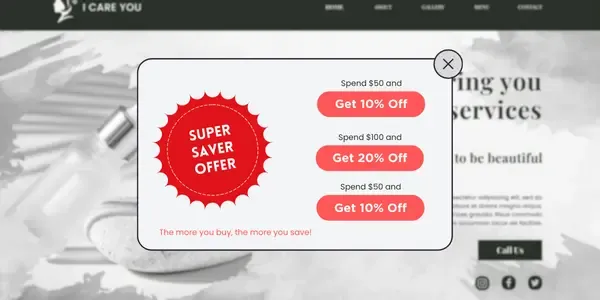
  • Tiered Discounts: Reward customers for spending more by offering tiered discounts based on order value or quantity purchased.

Blog Image

  • Holiday Promotions: Capitalize on seasonal events or holidays by offering special discounts or promotions to celebrate the occasion.

Blog Image

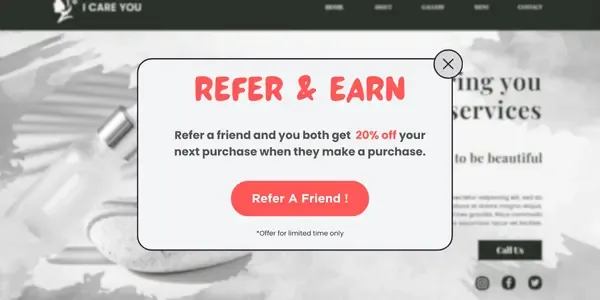
  • Referral Programs: Incentivize word-of-mouth marketing by offering discounts to customers who refer friends or family members to your business.

Blog Image

Comprehensive WooCommerce development services, coupled with strategic WooCommerce marketing tactics, can elevate your WooCommerce sales and drive business growth.

That Strategically Elevates Their WooCommerce Sales

Join the 10,000+ Businesses

Let’s Connect

3. Implement Upselling and Cross-selling Techniques

These two are powerful techniques to increase the average order value and maximize sales.

Upselling: Encouraging customers to upgrade to a more expensive or premium version of the product they’re considering. For example, offering a larger size or additional features.

Cross-selling: Recommending complementary or related products to accompany the item customers are purchasing. For example, suggesting batteries for a purchased electronic device.
Here’s how you can strategize to make it work:

  • Position upsell and cross-sell suggestions prominently on product pages or during the checkout process, where they are most likely to be noticed.
  • Ensure that upsell and cross-sell suggestions are relevant to the customer’s current purchase and align with their needs and preferences.
  • Leverage customer data and purchase history to personalize upsell and cross-sell suggestions, increasing the likelihood of relevance and effectiveness.
  • Provide personalized recommendations based on the customer’s preferences, previous purchases, and browsing behavior.
  • Highlight the benefits and value-add of the upsell or cross-sell suggestion, demonstrating how it enhances the customer’s overall experience or meets their specific needs.
  • Sweeten the deal by offering discounts or special promotions on upsell or cross-sell items, making the offer more enticing to customers.

4. Enhance UX Across Devices

Blog Image
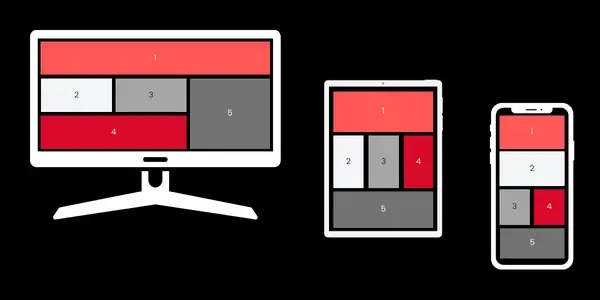
Responsive design is paramount for ensuring a seamless and engaging user experience across all devices. With the increasing prevalence of smartphones and tablets, more users are accessing websites and making purchases on mobile devices. With that, mobile users also expect websites to load quickly and display properly on their devices, regardless of screen size or resolution. To make it advantageous, responsive design is favored by search engines like Google, as it provides a consistent user experience and improves website performance, leading to higher search rankings. Take a look at how you can easily implement it for your website:

  • Use Fluid Grids: Design your website using fluid grids that adapt and resize based on the user’s screen size, ensuring content remains readable and accessible.
  • Flexible Images: Use CSS techniques such as max-width: 100% to ensure images scale proportionally and maintain clarity across different devices.
  • Media Queries: Implement media queries to apply specific stylesheets based on screen size, allowing for targeted adjustments to layout, typography, and other design elements.
  • Optimize Page Speed: Prioritize performance optimization techniques such as image compression, minification of CSS and JavaScript files, and asynchronous loading to ensure fast load times on mobile devices.
  • Seamless Navigation: Ensure navigation menus, buttons, and links are easily accessible and functional on mobile devices, facilitating smooth and intuitive navigation.
  • Readable Content: Optimize typography for readability on smaller screens, using legible font sizes and ample spacing between text elements.
  • Thumb-Friendly Design: Place important interactive elements within easy reach of the user’s thumb, minimizing the need for scrolling or zooming.

From enhancing user experience to implementing effective WooCommerce marketing campaigns, our expertise in WooCommerce development services transforms your online store into a sales powerhouse.

5. Utilize Social Proof

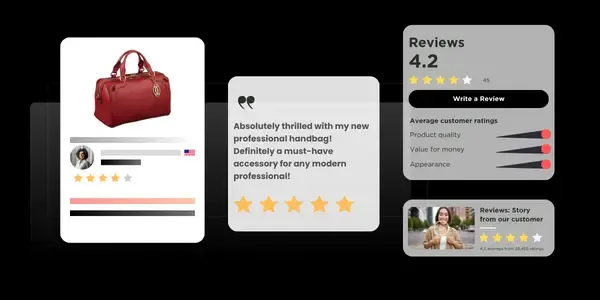
Showcasing social proof is a powerful psychological phenomenon that influences purchasing decisions by leveraging the behavior and opinions of others. builds trust and credibility by showcasing the positive experiences and satisfaction of previous customers. builds trust and credibility by showcasing the positive experiences and satisfaction of previous customers. Additionally, it creates a sense of urgency and FOMO, encouraging customers to purchase to avoid missing out on a popular or highly-rated product. Some substantiated strategies that you can incorporate involve:

  • Customer Reviews and Testimonials
  • User-Generated Content
  • Social Media Mentions
  • Influencer Endorsements

Blog Image

Here are some proven ways to display these effectively:

Strategic Placement: Position social proof elements such as reviews, testimonials, and user-generated content prominently on product pages and checkout pages, where they are most likely to influence purchasing decisions.
Visual Presentation: Use appealing formats like star ratings, customer photos, and video testimonials to capture attention and engage users effectively.
Real-Time Updates: Ensure that social proof elements are dynamic and updated regularly to reflect the latest feedback and interactions from customers.
Importantly, don’t settle for mediocre results when it comes to your WooCommerce store. Partner with a WooCommerce development company that understands the intricacies of e-commerce and knows how to leverage the power of WooCommerce marketing to drive tangible results.

6. Integrate AI-Powered Chatbots

Chatbots leverage AI algorithms to analyze customer queries and provide tailored responses, offering a personalized support experience that meets individual needs. Moreover, AI-powered chatbots are available round-the-clock to assist customers with inquiries, providing instant responses and resolving issues promptly. It engages with visitors proactively, guiding them through the sales process, recommending products, and capturing leads for follow-up. But, here is what should be considered before integrating a chatbot on your business website:

Blog Image

  • Select a chatbot platform or plugin that integrates seamlessly with your WooCommerce store and offers advanced AI capabilities.
  • Customize your chatbot’s responses and workflows to align with your brand voice and customer service standards.
  • Integrate your chatbot with other tools and systems, such as CRM software and inventory management systems, to streamline workflows and enhance efficiency.
  • Test your chatbot thoroughly to ensure it functions correctly and provides accurate responses to customer queries.
  • To add a cherry on the cake, one can even offer multilingual support through your chatbot to cater to diverse customer demographics and enhance accessibility.

7. Leverage Email Marketing

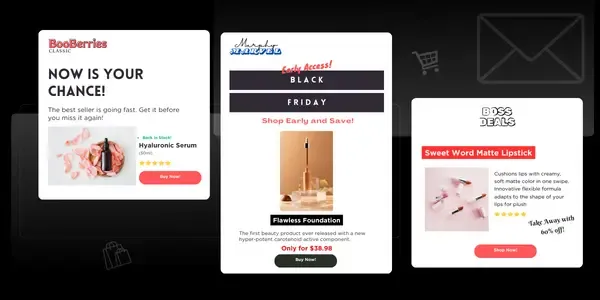
Email provides a direct channel to reach your audience, allowing you to deliver targeted messages and promotions directly to their inbox. enables you to personalize your messages based on customer preferences, purchase history, and browsing behavior, increasing relevance and engagement. Moreover, regular email communication helps nurture relationships with customers over time, keeping your brand top-of-mind, and encouraging repeat purchases that ultimately boost WooCommerce sales.

Blog Image

Check out the following strategies to improve sales for your business using email marketing:

  • Segmentation: Segment your email list based on demographics, purchase behavior, or engagement level to deliver more targeted and relevant content to each group.
  • Compelling Subject Lines: Craft attention-grabbing subject lines that entice recipients to open your emails and discover what’s inside.
  • Clear CTA: Include a clear and prominent CTA in your emails, directing recipients to take the desired action, whether it’s making a purchase, signing up for a webinar, or visiting your website.
  • Engaging Content: Create engaging and valuable content that provides useful information, offers exclusive deals or promotions, or tells a compelling story about your brand.
  • Mobile Optimization: Design your emails with mobile users in mind, ensuring they are optimized for viewing on smartphones and tablets.
  • Visual Appeal: Use eye-catching visuals, such as images and graphics, to capture attention and make your emails visually appealing.
  • Consistent Branding: Maintain consistent branding across all elements of your email campaigns, including colors, fonts, and imagery, to reinforce brand recognition and trust.
  • Automated Workflows: Set up automated email workflows, such as welcome sequences, abandoned cart reminders, and post-purchase follow-ups, to streamline your marketing efforts and nurture leads.
  • Dynamic Content: Use dynamic content blocks to personalize your emails based on recipient data, such as name, location, or previous purchases.
  • Behavioral Triggers: You can even implement Trigger emails based on specific customer actions or behaviors, such as browsing certain products or abandoning a shopping cart, to deliver timely and relevant messages.

End Note

WooCommerce empowers businesses to connect with customers in meaningful ways. By harnessing the power of technology like AI chatbots, responsive design, email automation, various selling techniques, email marketing, psychological selling along social proof integration, it emerges as the hero in driving sales growth.
Leverage the full potential of your WooCommerce store with QeWebby. Contact us today for expert WooCommerce development services and take your online store to the next level!

Experience the Power of Data-Driven Strategies

To Boost Your Conversion Rate With About 87% !

Get in Touch !

Beyond Contracts: 9 Strategies that Strengthen Agency-Client Relationship

A strong agency-client relationship serves as the cornerstone of successful collaborations in the business world. This partnership is vital across various industries, including marketing, advertising, public relations, and consulting, among others. By investing in nurturing and maintaining these relationships, both agencies, and clients can unlock new opportunities, achieve their objectives, and thrive in an increasingly competitive marketplace.

Let’s examine these key strategies!

9 Strategies that Strengthen Agency-Client Relationships

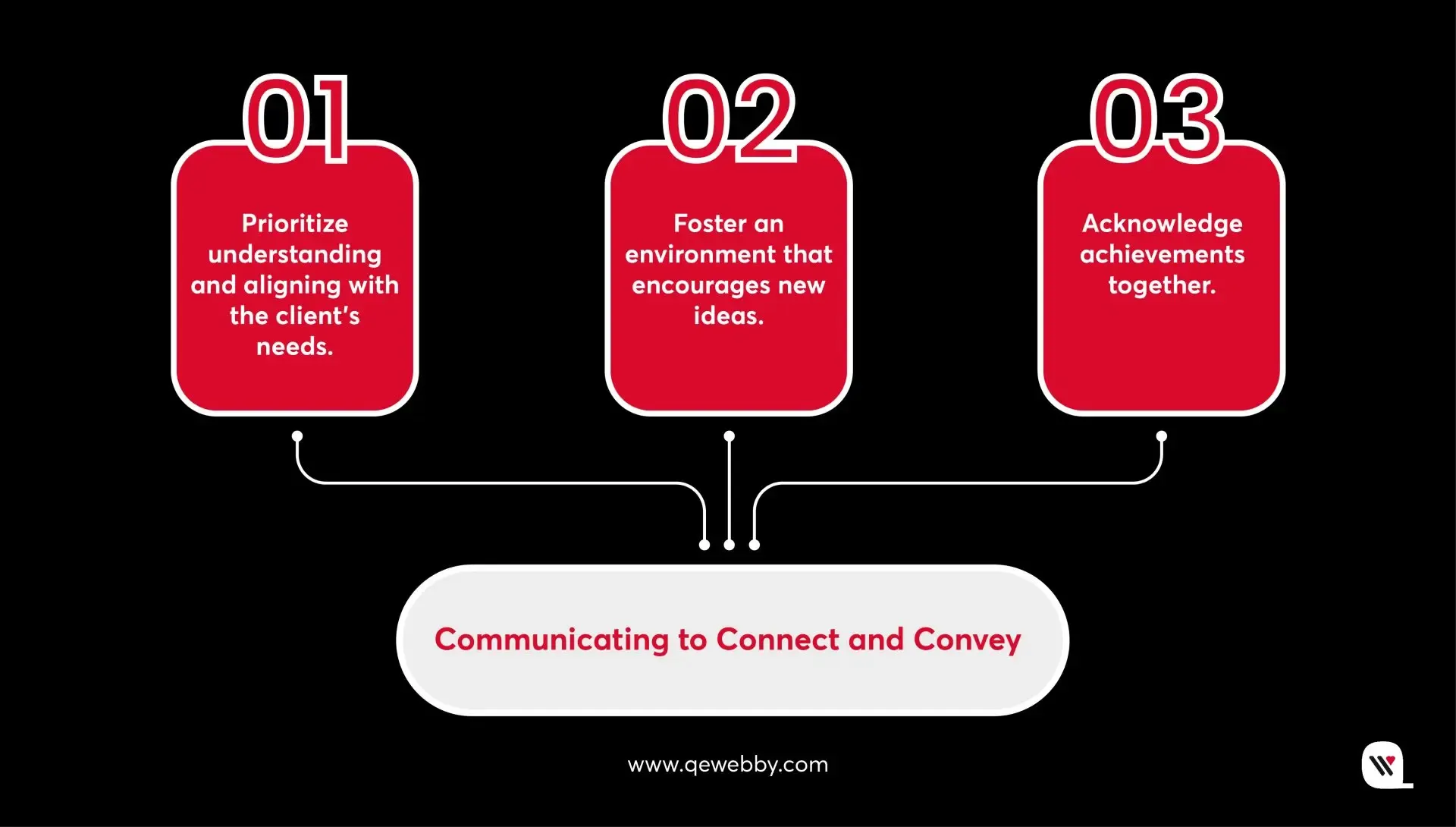
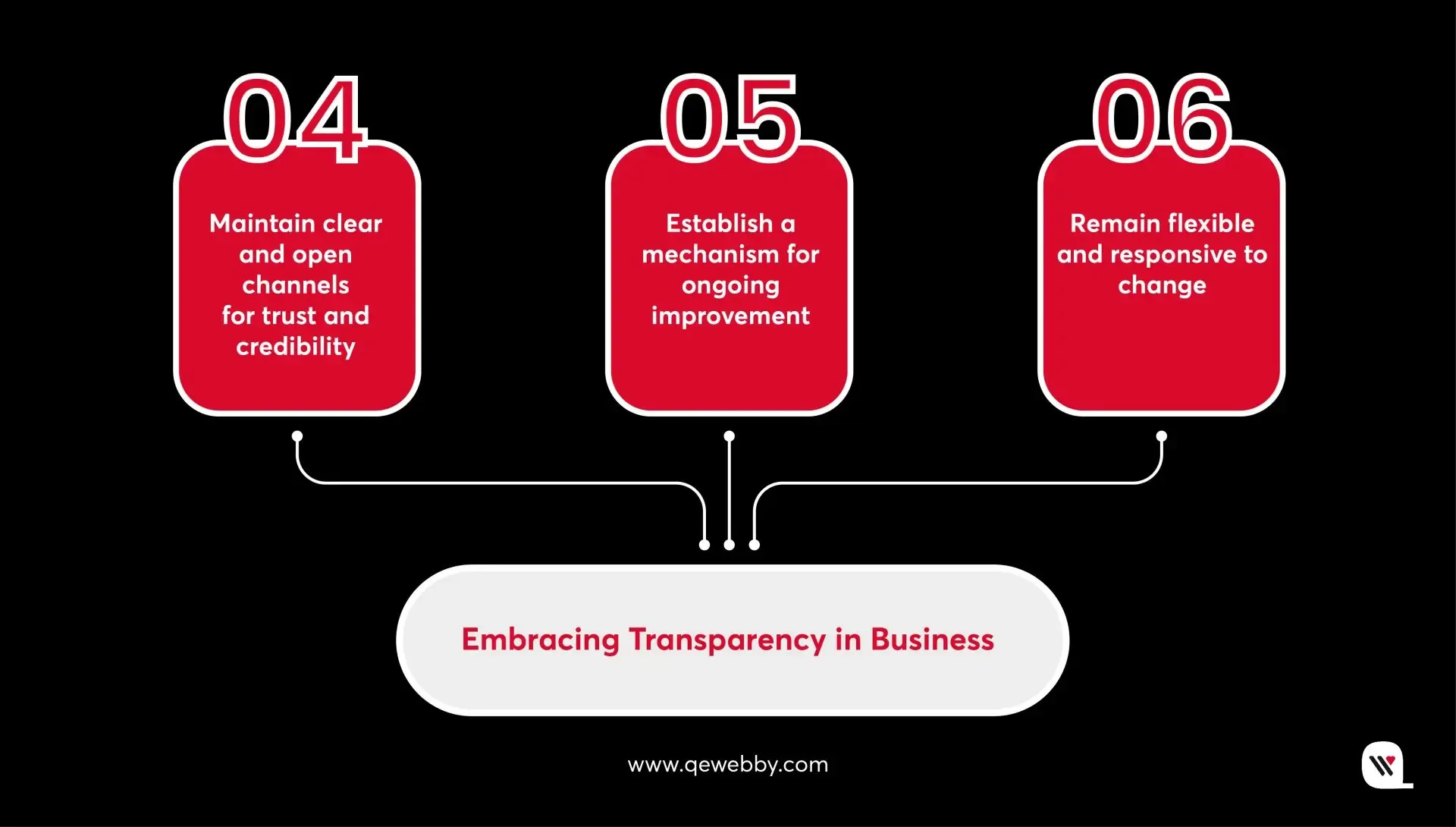
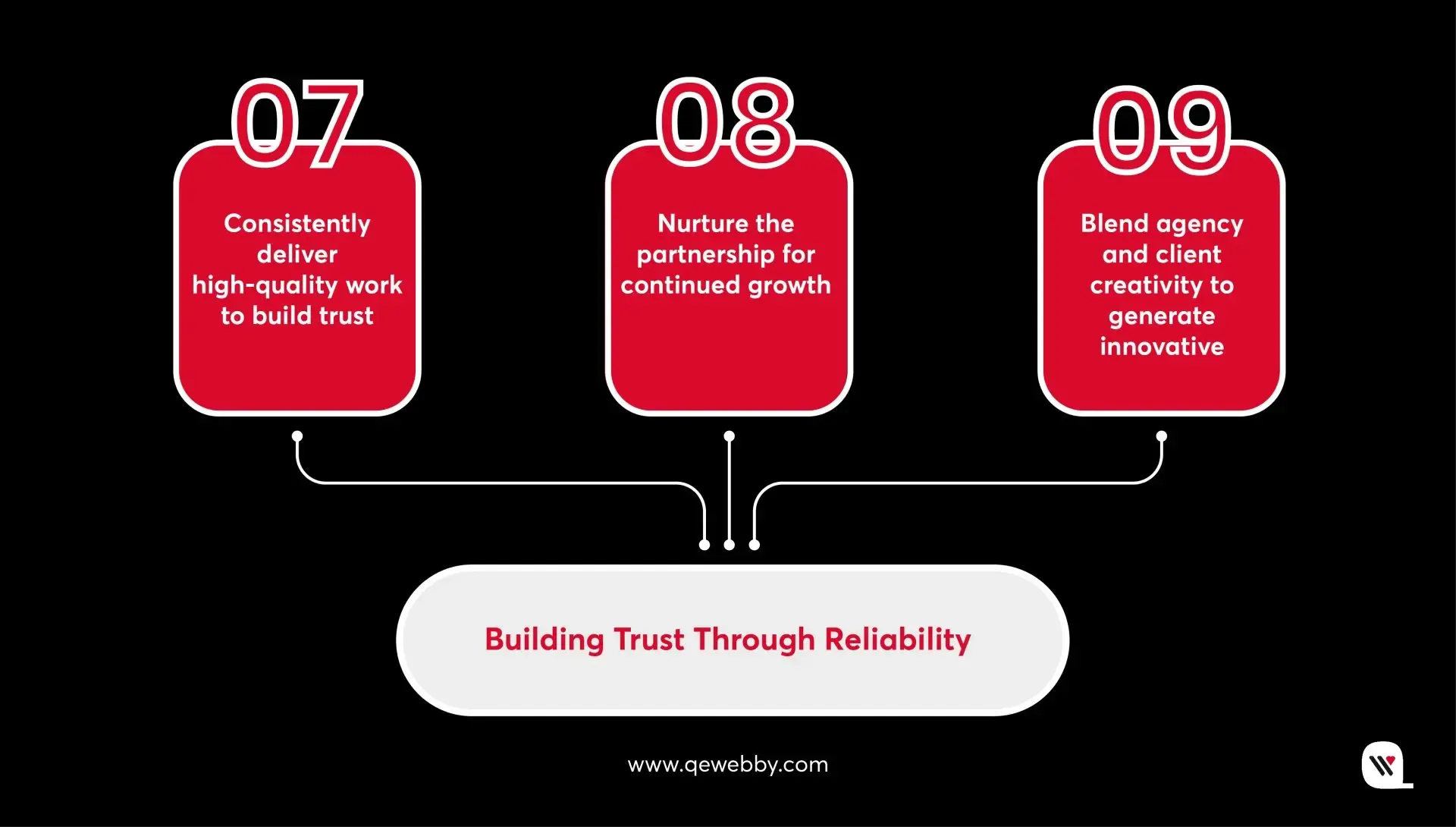
The cornerstones for nurturing robust agency-client relationships are effective communication, transparency, and reliability. These pillars form the foundation for collaboration, innovation, and mutual success between agencies and clients. And for that reason, we categorize our 9 strategies as

  • Communicating to Connect and Convey:

    1. Prioritize understanding and aligning with the client’s needs.
    2. Foster an environment that encourages new ideas.
    3. Acknowledge achievements together.
  • Embracing Transparency in Business:

    1. Maintain clear and open channels for trust and credibility.
    2. Establish a mechanism for ongoing improvement.
    3. Remain flexible and responsive to change.
  • Building Trust Through Reliability:

    1. Consistently deliver high-quality work to build trust.
    2. Nurture the partnership for continued growth.
    3. Blend agency and client creativity to generate innovative solutions.

1. Prioritize Understanding and Aligning with the Client’s Needs

Understanding and aligning with the client’s needs should be the cornerstone of any agency-client relationship. By taking the time to truly comprehend the client’s goals, challenges, and objectives, agencies can tailor their strategies and solutions to meet their specific requirements. Active listening, thorough research, and collaborative workshops are key to achieving this alignment. For example, an advertising agency working with a client launching a new product would conduct in-depth research into the target audience and market trends, ensuring that their campaign resonates with the client’s vision.

Pro Tip : Regularly revisit and reassess client needs throughout the project lifecycle to ensure ongoing alignment and relevance.

2. Foster an Environment that Encourages New Ideas

Fostering an environment that encourages new ideas is essential for driving innovation and creativity in agency-client relationships. Agencies should create a culture that values experimentation, rewards creativity, and celebrates out-of-the-box thinking. By providing opportunities for team members to share their ideas and perspectives, agencies can inspire fresh thinking and generate innovative solutions. For example, an advertising agency might hold regular brainstorming sessions where team members are encouraged to pitch unconventional ideas for upcoming campaigns.

Pro Tip : Create a safe space for team members to share ideas without fear of judgment, fostering a culture of innovation and creativity.

3. Acknowledge Achievements Together

Acknowledging achievements together is a powerful way to reinforce the positive aspects of the agency-client relationship. Agencies should celebrate project milestones, successes, and achievements with clients, recognizing the collective efforts that led to success. By sharing in the excitement of accomplishments, agencies can strengthen the bond with clients and foster a sense of partnership and camaraderie. For example, a branding agency might host a virtual launch event to celebrate the successful rebranding of a client’s company, inviting key stakeholders from both organizations to participate.

Pro Tip : Celebrate both big and small wins with enthusiasm and sincerity, reinforcing the value of collaboration and shared success.

4. Maintain Clear and Open Channels for Trust and Credibility

Clear and open communication is essential for building trust and credibility in agency-client relationships. Agencies should establish transparent communication channels, provide regular updates on project progress, and address any concerns or issues promptly. By maintaining transparency and honesty, agencies can demonstrate their commitment to the client’s success. For example, a digital marketing agency might use project management software to keep the client informed about campaign performance metrics and optimization efforts in real-time.

Pro Tip : Practice active listening and empathy to truly understand the client’s perspective and build stronger rapport.

5. Establish a Mechanism for Ongoing Improvement

Establishing a mechanism for ongoing improvement is critical for ensuring that agency-client relationships continue to evolve and grow over time. Agencies should solicit feedback from clients, conduct performance reviews, and implement action plans to address any areas for improvement. By continuously striving to enhance their services and processes, agencies can demonstrate their commitment to client satisfaction and success. For example, a PR agency might conduct quarterly reviews with clients to gather feedback on media outreach efforts and identify opportunities for refinement.

Pro Tip : Embrace feedback as a gift and use it as a catalyst for continuous learning and improvement within the agency.

6. Remain Flexible and Responsive to Change

Remaining flexible and responsive to change is essential for navigating the ups and downs of agency-client relationships. Agencies should be adaptable in their approach, willing to adjust strategies and tactics in response to changing client needs, market conditions, or external factors. By demonstrating flexibility and agility, agencies can show their clients that they are committed to finding solutions that meet their evolving requirements. For example, a social media marketing agency might pivot their campaign strategy in response to shifts in consumer behavior or market trends, ensuring that the client’s objectives are still met.

Pro Tip : Anticipate change and have contingency plans in place to quickly adapt and pivot when necessary.

7. Consistently Deliver High-Quality Work to Build Trust

Consistently delivering high-quality work is paramount for building trust with clients. Agencies should set clear expectations, adhere to deadlines, and strive for excellence in every project. By exceeding client expectations and consistently delivering results, agencies can establish themselves as reliable and trustworthy partners. For instance, a content marketing agency might conduct thorough research and quality checks to ensure that all content produced aligns with the client’s brand voice and objectives.

Pro Tip : Set internal quality standards and conduct regular quality assurance checks to ensure all deliverables meet or exceed client expectations.

8. Nurture the Partnership for Continued Growth

Nurturing the partnership for continued growth is essential for ensuring the long-term success and sustainability of agency-client relationships. Agencies should invest in building strong, personal connections with clients, demonstrating their dedication to mutual success. By regularly checking in with clients, offering strategic guidance, and identifying opportunities for expansion or additional services, agencies can foster a partnership that thrives over time. For example, a web development agency might provide ongoing support and maintenance services to help the client’s website evolve and grow alongside their business.

Pro Tip : Invest in building long-term relationships by regularly checking in with clients, providing strategic guidance, and offering value-added services that support their growth objectives.

9. Blend agency and client creativity to generate innovative solutions

Collaborating with clients to blend agency and client creativity can lead to the development of innovative solutions. By leveraging the unique perspectives and expertise of both parties, agencies can create campaigns, designs, and strategies that stand out in the market. Encouraging brainstorming sessions, soliciting input from the client’s team, and embracing a culture of experimentation are effective ways to foster this collaboration. For instance, a design agency might involve the client’s marketing team in the creative process to develop a website that reflects the client’s brand identity while incorporating cutting-edge design elements.

Pro Tip : Encourage experimentation and don’t be afraid to challenge conventional thinking to unlock truly innovative ideas.

End Note

Fostering strong agency-client relationships is not only beneficial but imperative in today’s competitive business landscape. By implementing the nine strategies outlined in this blog – from prioritizing understanding and alignment with client needs to nurturing partnerships for continued growth – agencies can elevate their collaborations to new heights. Through open communication, innovative thinking, and a commitment to delivering exceptional work, agencies can establish themselves as trusted partners and valuable allies in their clients’ success journeys. Remember, building and maintaining strong relationships takes time, effort, and dedication, but the rewards are well worth it. Here’s to creating lasting partnerships that drive mutual success and prosperity.

If you’re looking for a trusted partner in web development to help bring your vision to life and strengthen your online presence, look no further! Our agency specializes in creating custom, high-quality websites tailored to your unique needs and objectives. [Get in touch with us](/contact-us) today to learn more about how we can elevate your online presence and drive results for your business. Let’s embark on this journey together!

Take Your Business to New Heights with Our White Label Solutions!

Let’s Connect

The 5-Step Blueprint to Monetize Your WordPress Blog Like a Pro

Over 60% of bloggers who use monetization strategies earn income from their blogs. Effective monetization methods play a pivotal role in transforming your WordPress blog from a mere hobby into a profitable venture.

By strategic implementation, you get the potential to generate substaantial revenue and turn your passion for blogging into a sustainable source of income.

Let’s explore the details.

But first, here is what you get by effectively monetizing your WordPress blog:
  • Generate a steady income stream to support your blogging activities and potentially replace traditional employment.
  • Invest in improving the quality of your content, design, and user experience, further attracting and retaining readers.
  • Unlock opportunities for professional growth, including collaborations with brands, speaking engagements, and book deals.
Along with this, your WordPress blog can become a profitable venture, allowing you to:
  • Earn passive income while you focus on creating valuable content and engaging with your audience.
  • Gain financial independence, allowing you to pursue blogging full-time or explore other entrepreneurial ventures.
  • Enjoy the flexibility of working from anywhere, without being tied to a traditional 9-to-5 job.
  • Remember, effective monetization methods are key to transforming your WordPress blog into a lucrative platform.

Exploring the wide range of monetization methods available for WordPress blogs is crucial for maximizing your revenue potential.

Strategies to Monetize Your WordPress Blog

Advertising:

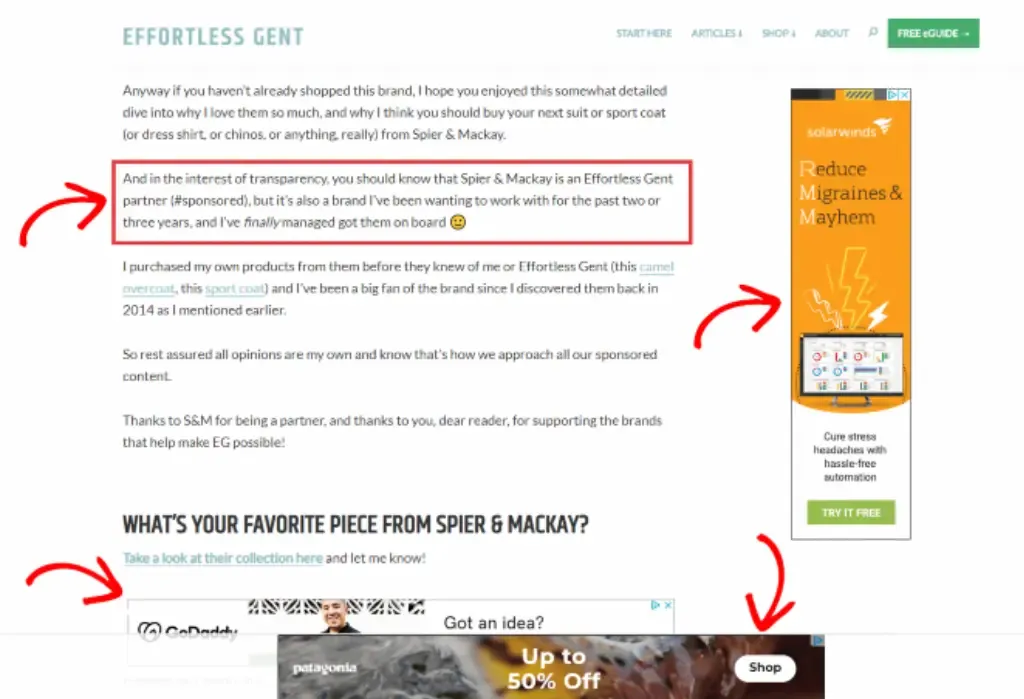
Advertising is a powerful monetization method that allows you to generate income by showcasing relevant promotional content on your WordPress blog. By strategically implementing different types of ads, you can effectively capitalize on your blog’s traffic and engagement. Let’s explore three key advertising options:

  • Display ads: Capitalize on banner or sidebar advertisements to generate income.
  • Native ads: Seamlessly integrate promotional content into your blog’s design for enhanced user experience.
  • Programmatic advertising: Leverage automated systems to optimize ad placements and maximize earnings.

Interesting Facts:

Display ads contribute to over 60% of bloggers’ income.
Programmatic advertising spending is projected to reach $147 billion by 2024.

Affiliate Marketing:

This is a powerful monetization method that allows you to earn commissions by promoting products or services through unique affiliate links. By partnering with brands and businesses, you can tap into a vast array of affiliate programs available across various industries.

  • Promote products or services through unique affiliate links and earn commissions on resulting sales.
  • Tap into the vast array of affiliate programs available across various industries.

Interesting Facts:

  • Affiliate programs account for 15% of bloggers’ earnings.
  • In the U.S. only, affiliate marketing spending reached $8.2 billion by 2022.

Sponsored Content:

Sponsored content is a lucrative monetization method that allows you to collaborate with brands to create engaging and promotional content on your WordPress blog. By partnering with brands, you can create sponsored posts, product reviews, or endorsements that provide value to your audience while benefiting from the compensation provided by brands.

  • Collaborate with brands to create sponsored posts, product reviews, or endorsements.
  • Benefit from the compensation provided by brands in exchange for exposure to your audience.

Interesting Facts:

84% of brands plan to include influencer marketing in their strategies.
Sponsored posts generate an average of $300-$500 per post for bloggers.

Digital Products:

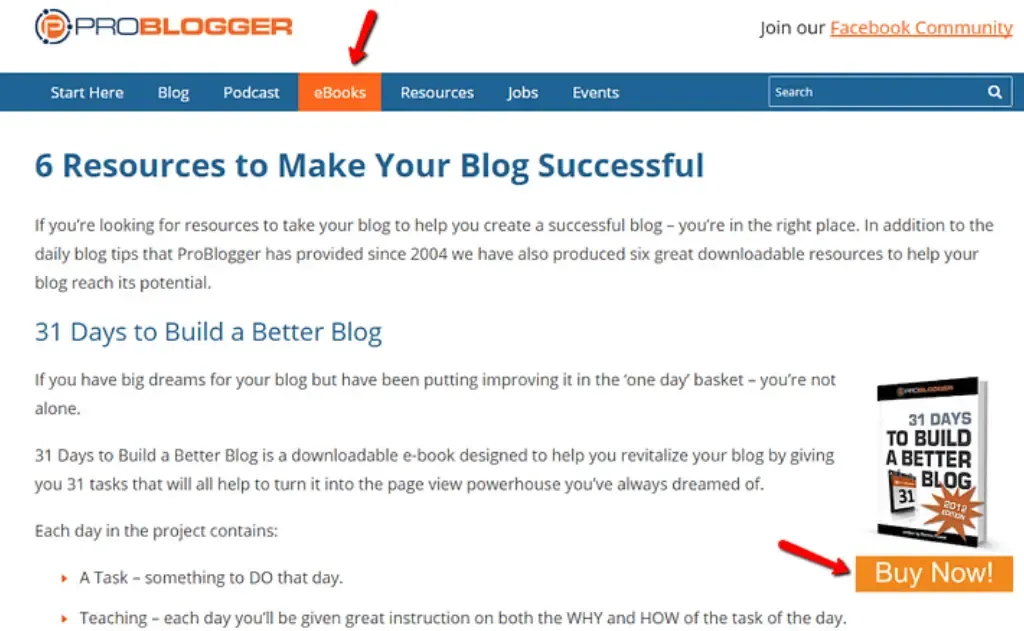
Digital products offer an excellent opportunity to monetize your WordPress blog by creating and selling tailored products that cater to your niche. Whether it’s ebooks, online courses, or plugins, digital products allow you to tap into the growing demand for digital content while capitalizing on your expertise.

  • Create and sell digital products tailored to your niche, such as ebooks, online courses, or plugins.
  • Tap into the growing demand for digital content and capitalize on your expertise.

Interesting Facts:

  • The global e-learning market size is projected to exceed $375 billion by 2026.
  • Ebooks remain a popular choice, with digital book sales reaching $15.3 billion in 2020.

Membership and Subscription:

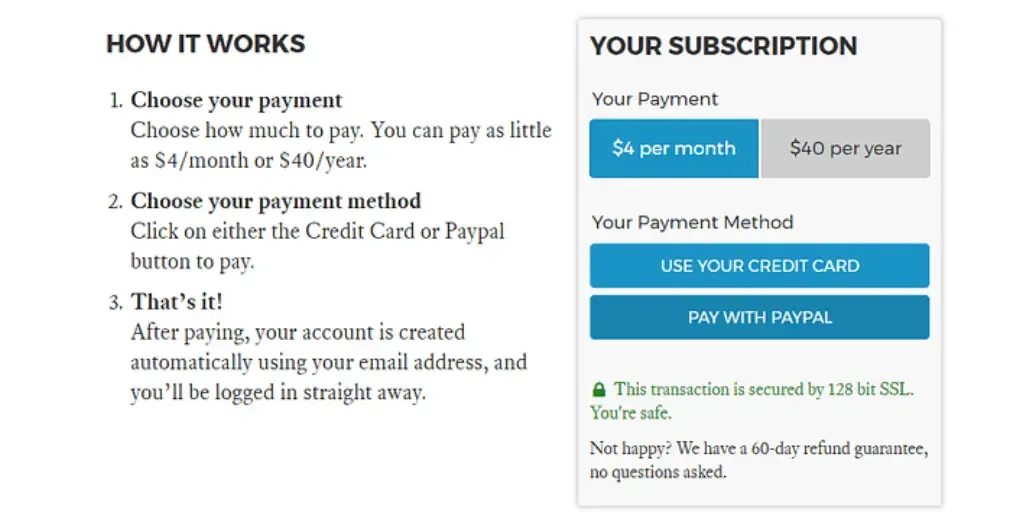
Membership and subscription models provide a powerful way to monetize your WordPress blog by offering premium content, exclusive resources, or membership tiers to your dedicated audience. By providing added value to subscribers, you can generate recurring revenue and build a loyal community.

  • Offer premium content, exclusive resources, or membership tiers to your dedicated audience.
  • Provide added value to subscribers and generate recurring revenue.

Interesting Facts:

  • The subscription e-commerce market has grown by more than 100% each year for the past five years.
  • Subscription-based businesses experience an average annual growth rate of 300%.

How to Assess Your Blog’s Suitability for Monetization Methods?

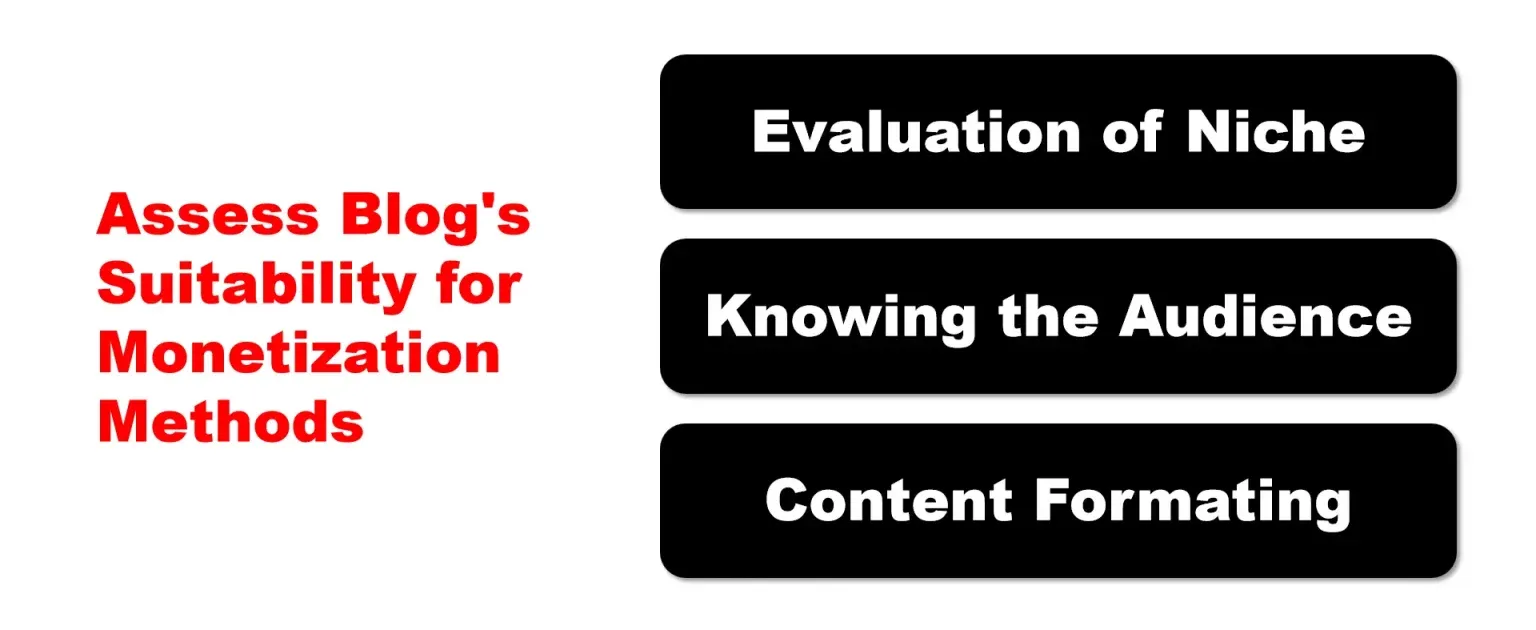
Monetizing your blog is an exciting endeavor, but before diving into revenue generation, it’s crucial to assess your blog’s suitability for various monetization methods. Just as each blog is unique, different methods align differently with your niche, audience, and content.

Take a look at the best-suited monetization methods for your blog:

  • The Power of Evaluation – To begin, take a step back and evaluate your blog’s niche, audience, and content. This process involves a thoughtful examination of your blog’s DNA and its alignment with different monetization avenues. By understanding your blog’s unique characteristics, you can make informed decisions and create a tailored monetization strategy.
  • Knowing Your Audience – Your audience holds the key to unlocking successful monetization methods. Dive deep into their demographics, preferences, and behavior to gain invaluable insights. Consider factors such as age, location, interests, and engagement levels. Understanding their needs and desires empowers you to choose methods that resonate and provide value to them.
  • Content is King – Assessing your blog’s content is crucial in determining the ideal monetization methods. Examine the format of your content—whether it’s blog posts, videos, podcasts, or a combination thereof—and identify opportunities that seamlessly integrate with your existing content strategy. Consider how different methods can enhance or complement your content, providing a cohesive and engaging experience for your audience.

In the quest for the perfect monetization method, it’s important to consider a range of factors that influence the suitability of your blog. These factors will guide you in making informed decisions and pave the way to monetization success. Let’s delve into the key factors:

  • Audience Demographics – Understanding your audience’s demographics, such as age, gender, occupation, and interests, enables you to align monetization methods that cater to their preferences. For instance, if your audience consists mainly of professionals, offering premium services or products might be an enticing option.
  • Engagement Levels – Evaluate the level of engagement your audience has with your blog. Are they actively participating in discussions, leaving comments, or sharing your content? High engagement levels indicate a dedicated community that is more likely to support and engage with monetization efforts.
  • Content Format – The format of your content plays a significant role in determining the most suitable monetization methods. For example, if you have a popular YouTube channel, exploring ad revenue or sponsored content on videos may be an effective approach. Tailor your monetization strategy to leverage the strengths of your content format.

Diversification is the Name of the Game

When it comes to monetizing your blog, diversification is the name of the game. While individual monetization methods can be effective, combining multiple methods creates a harmonious symphony of revenue streams. Let’s explore the importance of diversifying your monetization methods and how it can supercharge your earnings:

  • Amplifying Revenue Potential – Diversifying your monetization methods opens up multiple avenues for generating income. Relying solely on one method puts all your eggs in one basket, leaving you vulnerable to market fluctuations or changes in user behavior. By diversifying, you mitigate risks and unlock the potential for exponential revenue growth.
  • Catering to Audience Preferences – Your audience is diverse, with varying preferences and consumption habits. By offering a mix of monetization methods, you cater to different segments of your audience. Some may prefer ad-supported content, while others may be willing to pay for exclusive resources or access. Diversification allows you to meet the unique needs of your audience and provide value in different ways.
  • Adapting to Market Dynamics – The digital landscape is dynamic, with new trends and technologies emerging regularly. By diversifying your monetization methods, you stay agile and adaptable. If one method experiences a downturn or becomes less effective, you have alternative streams to rely on. This flexibility ensures your revenue remains stable and resilient to market shifts.

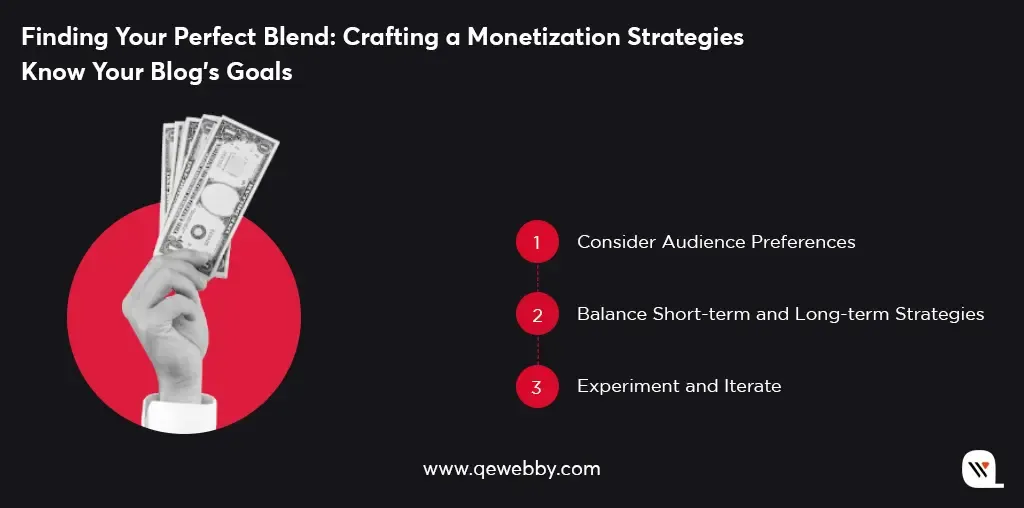
Finding Your Perfect Blend: Crafting a Monetization Strategy

Crafting the perfect blend of monetization methods requires careful consideration and alignment with your blog’s goals and audience. Here’s how you select the right mix that propels your blog towards monetization success:

  • Know Your Blog’s Goals – Define your blog’s goals and objectives. Are you aiming to generate passive income, build a sustainable business, or establish authority in your niche? Understanding your goals provides clarity in selecting methods that align with your desired outcomes.
  • Consider Audience Preferences – Delve into your audience’s preferences, consumption habits, and willingness to pay. Conduct surveys, engage with your audience, and analyze user data to gain insights. This understanding enables you to choose monetization methods that resonate and provide value to your specific audience segments.
  • Balance Short-term and Long-term Strategies – Consider a combination of short-term and long-term monetization methods. Short-term strategies like display ads or sponsored content can provide immediate revenue, while long-term strategies like affiliate marketing or creating digital products offer sustainable income over time. Balancing both allows for steady growth and stability.
  • Experiment and Iterate – Don’t be afraid to experiment with different monetization methods. Test and measure the performance of each method, and iterate based on the results. Continuously refine your monetization mix to optimize revenue generation and align with the evolving needs of your audience.

Wrap Up

Monetizing your WordPress blog is an exciting journey that requires continuous experimentation, analysis, and refinement. But remember, the digital landscape is constantly evolving, and new opportunities for monetization are always emerging. Stay up-to-date with industry trends and be open to exploring innovative approaches. Moreover, monetizing your blog is not just about generating income. It’s about transforming your passion into a sustainable business and creating a lasting impact on your audience.

While many bloggers make the common mistake of settling for generic theme options, it’s time to embrace the transformative power of theme customization. It’s all about giving your blog the precise look and feel that perfectly matches your awesome content. And, if you want this job done by experts, we’ve got you covered! Let’s take your WordPress blog to the next level together.

Increase Sales by Optimising the WooCommerce Product Pages

In the current social media obsessed world, businesses can get a good number of visitors to their e-commerce site. All they need to do is target the right set of audiences. Although all these things might seem fascinating, the real challenge is whether all visitors or users are buying your product or not.

Getting a massive amount of visitors on your website but no one is buying? This is why the Woocommerce product page conversion rate is such an important statistic for evaluating the success of your efforts and optimizing the performance of your WooCommerce store.

Fortunately, there are a few simple techniques to boost your conversion rate and optimize your product pages. Since all the below techniques which we have discussed in the article are primarily the major factor in most customers’ purchase decisions, you should do everything you can to improve their efficacy.

How Do You Measure Conversion Rate?

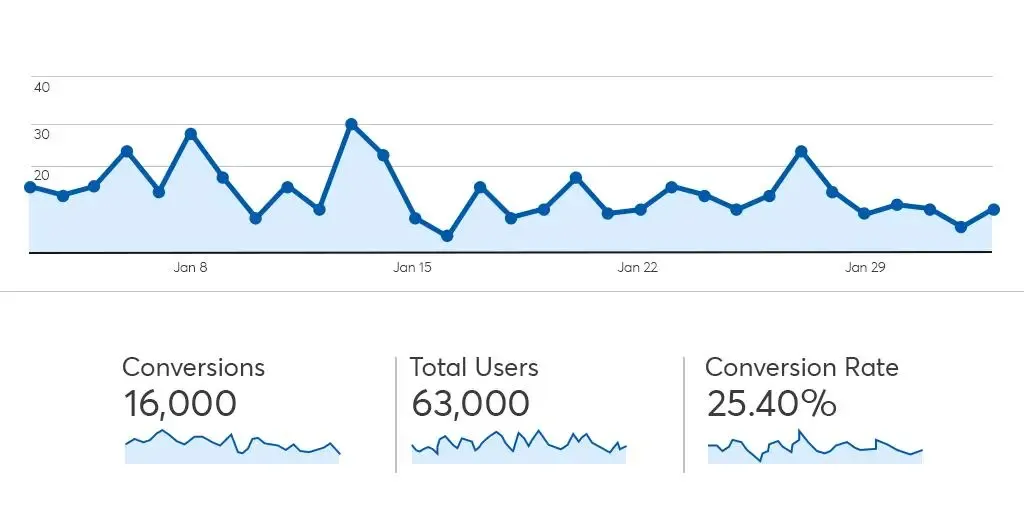
Consider below image as an example from Google Analytics to measure conversion rate:

Conversion Rate Formula

Conversions/total users X 100= Conversion rate

16000/63,000 X 100= 25.40%

Conversion rate optimization is applied to the people of the following phases of the purchase process:

  • Discover Phase– the people or the one who wants to know your brand and learn about your product and services.
  • Select Phase– the people who know your brand, service, and product and those are taking the next step to make a purchase or visit your website.
  • Purchase Phase– this is for the people who make the final decision and purchase from your e-commerce store.

During the above phases, people always compare the product and the services with your competitors and take their time to make the final decision. So, boosting or optimizing your WooCommerce store for higher conversions is significant to generate more revenue and increase sales. Hire WooCommerce developers to boost your WooCommerce store for higher conversions.

To build the optimal storefront for your customers, WooCommerce optimization requires a combination of marketing and internet skills. Here are simple techniques to boost your conversion rate.

Tips to Optimize or Ways to Boost WooCommerce Product Page Conversions:

1) High-Quality Images

Great images are part of successful product pages. Customers depend on visuals before deciding to buy because they can’t touch or see products in e-commerce stores. So use lots of high-quality images.

As per eMarketer, on e-commerce websites, the average customer expects to view at least six photos per product. Include high-quality photographs from numerous perspectives with each of your product pages to give your customers the clarity they desire.

One of the best things to do is enable the image zoom feature, by doing so you can boost your customer’s ability to visualize your products. Customers can focus on a certain section of an image to obtain a close-up look at the features using image zoom.

2) Build your Ecommerce Site Mobile Friendly

To increase WooCommerce conversion optimization, make sure your store is as easy to navigate on a smartphone as it is on a desktop. Your online store should always be responsible. Always test the UI on mobile and make sure the speed is up to the standard.

Custom breakpoint for elementors helps you to target any kind of devices like mobile, laptop, tablet, and desktop allowing you complete control over the appearance of your website on any screen.

While editing you can see your website the same as visitors would see, regardless of which device you wish to replicate. With dozens of compatible themes that are mobile responsive by default, you can drag and drop items around to build the style you want.

3) Upgrade your UI

Your conversion rate is influenced by a clear user interface (UI). Look into the following points:

  • Do you have a clear call to action (CTA)? If not then add a clear CTA.
  • Make graphic modifications to your product pages as necessary. Product images that are clear and load quickly, as well as seamless navigation and contrasting colors, all help to sell your products.
  • Consider using a tool like Hotjar to see which aspects of your website appeal to users the most.

An e-commerce store can benefit greatly from a user interface that is focused on functionality and has a clean design.

4) Add Customer Reviews

Good descriptions and visuals alone aren’t always enough to persuade customers to purchase your products. People frequently want additional assurance that a product will match their requirements. Social proof is one of the most effective techniques to convey such confidence.

User-generated content and product reviews, such as a social media post with a customer using the product, are the most popular kinds of social proof for e-commerce product pages.

According to ShopperApproved, 91% of customers read product reviews before making a purchase. Products with good numbers and positive feedback get more purchases.

That’s not all, below points has detailed data analysis by ShopperApproved that reviews have a direct impact on purchases:

  • 91 % of customers read online reviews.
  • 88% of purchasers trust reviews as much as personal guidance.
  • 42% of companies with reviews report higher average purchase values.
  • Displaying reviews can boost conversions by 270 percent.
  • The products that have positive reviews are sold 200% more than those without.

5) Security of your E-commerce Site

E-commerce buyer’s the first main concern is transaction security. Inform your clients about the security of your site and the efforts you’ve done to protect their personal information. To enhance your conversion rate in the long run, you must establish a trustworthy reputation.

Setting up SSL on your site and displaying security badges at checkout helps persuade customers that the site is fully reliable.

6) Increase Urgency by Promotions

As per famous sales guru’s there are four reasons why customers are not buying from you:

  • There’s no need.
  • There’s no money.
  • There’s no trust.
  • There’s no rush

While the first two factors are beyond your control, you can certainly influence urgency and develop trust. Let’s start with urgency first and then move on to trust later.

The law of supply and demand can be used to generate urgency on your product page. You can create different types of unavailability pop-up messages like:

  • Unavailability due to a lack of quantity (Only 2 items left at this price)
  • Unavailability due to the passage of time (Last hours to buy)

If your product’s supply is never-ending, you can provide time-sensitive rewards, such as a free present to the first X number of buyers or a discount if they complete the transaction within a particular amount of time.

Now if we talk about trust your unavailability messages or promotions should be genuine. Never ever lie to your customer by promoting fake urgency as your customers will notice that and will create trustworthiness issues. If it’s a fake urgency promotional campaign then customers will never rely on your advertisement in future.

Conclusion

Shoppers that visit your product pages are only a few clicks away from making a purchase. You have a better chance of converting them into a customer if you can provide them the information they desire in a painless manner.

Now as you know how to boost or optimize your WooCommerce product page conversions and resolve issues related to low conversion rate. You may successfully increase your conversion rate by adopting the above points. If you already have a WooCommerce store and want to boost or customize WooCommerce product page, then contact us for more details. For all your queries and related solutions, You can also join our Groups on – Facebook, linkedin, Insta, Twitter