Top 8 WordPress Features to Include in Client Website

A client’s website launch day usually feels like the finish line.

The design is approved. The pages are live. The client is excited.

Then, two weeks later, the problems start.

This happens because many WordPress websites are built to look good, but they are not always prepared to perform.

According to Stanford Web Credibility Research, 75% of users admit they judge a company’s credibility based on its website design. However, credibility is only the first step. Website performance, usability, and functionality determine whether visitors continue engaging with the business.

A successful client website needs more than a modern design and a few pages. It needs the right foundation: security, speed, SEO, analytics, lead generation, and an easy management experience.

That is what separates a website that is simply published from a website that helps a client grow their business.

The Difference Between a Site That Is Built and a Site That Is Ready

There is a big difference between completing a website and preparing it for success.

A built website has:

  • Pages created
  • A professional design
  • Content uploaded
  • A working theme
  • Basic functionality

A ready website goes further.

It has:

  • Security protecting the website from threats
  • Speed optimization, keeping visitors engaged
  • SEO settings helping search engines discover pages
  • Analytics showing measurable results
  • Lead capture systems converting visitors
  • A client-friendly dashboard for easy updates
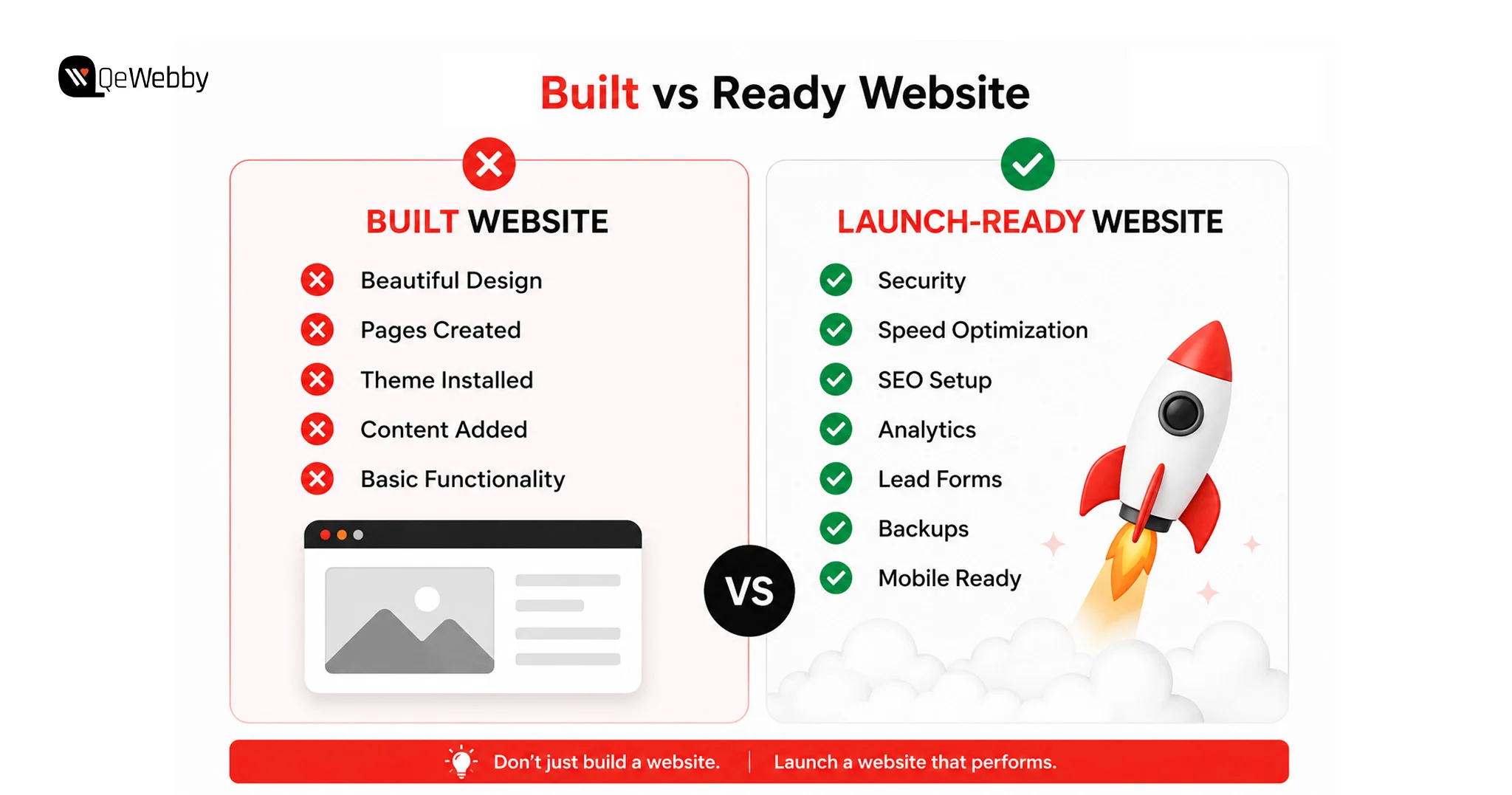
Built Ready Website

A complete WordPress development checklist for agencies should include everything needed for performance, usability, security, and long-term maintenance.

The 8 WordPress features below should be treated as a pre-launch checklist before any client website goes live.

8 WordPress Features Every Client Website Should Have

Feature Why It Matters
Secure login and user role management Protects the website while giving clients the right access
Client-friendly WordPress dashboard Makes website management easier after handoff
Speed and performance optimization Improves user experience and search visibility
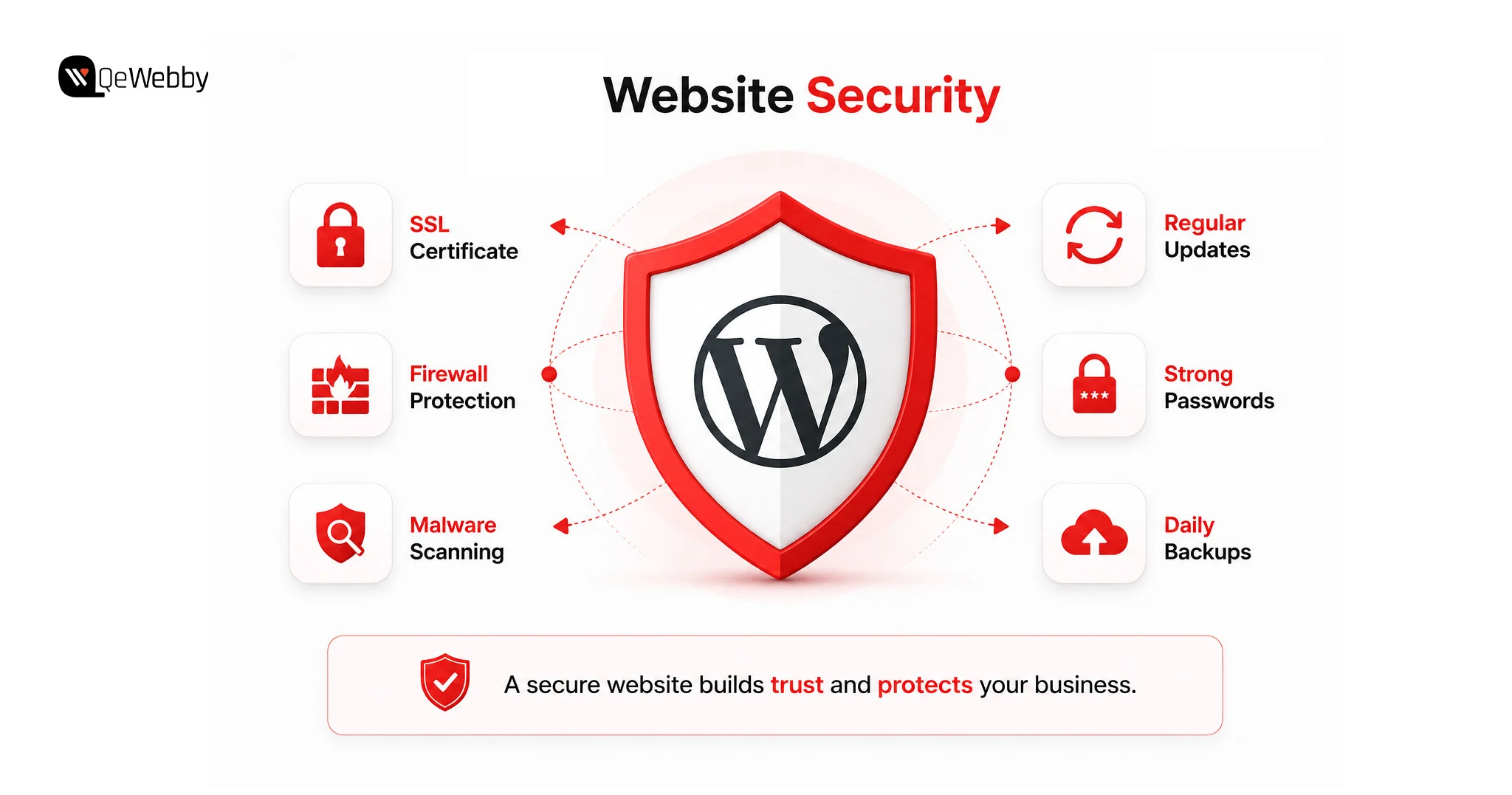
Security and backup system Protects against data loss and website attacks
Mobile-responsive design Ensures the site works across devices
SEO foundation setup Helps Google understand and rank website content
Lead generation features Converts visitors into enquiries and customers
Analytics and reporting setup Shows whether the website is achieving results

Schedule a free consultation

Now let’s break down each feature.

#1. Login Setup

A WordPress website often starts with a simple mistake: giving clients more access than they actually need.

Most clients do not need full Administrator permissions.

When a client has complete admin access, they can accidentally:

  • Delete important plugins
  • Change theme files
  • Install conflicting tools
  • Modify settings that affect website performance

When something breaks, the developer is usually the first person they call.

A better approach is creating a secure WordPress client site setup where users only get access to the areas they actually manage.

For most clients, the Editor role is enough. They can update pages, publish content, and manage media without having access to critical website settings.

What Every Client Login Setup Should Include

Change the Default Login URL

The standard WordPress login page (/wp-admin) is targeted by automated bots.

Using a plugin like WPS Hide Login helps hide the default login location and reduces unnecessary login attempts.

Enable Two-Factor Authentication

Passwords alone are not enough protection.

Two-factor authentication adds another security layer by requiring users to verify their identity before accessing the dashboard.

Plugins such as WP 2FA make this easier to implement.

Limit Login Attempts

Repeated login attempts are one of the most common attack methods against WordPress websites.

Security plugins such as Wordfence can automatically block suspicious login activity and protect the client site.

Customize the Login Experience

A branded login page creates a more professional handoff experience.

Adding the client’s logo and removing unnecessary WordPress branding helps make the website feel like a dedicated business platform.

A secure login setup is one of the simplest WordPress security features for client websites, but it can prevent major problems later.

#2. Dashboard the Client Can Actually Use Without Calling for Help

The default WordPress dashboard is designed for developers, not everyday business owners.

After logging in, clients often see:

  • Plugin notifications
  • Theme settings
  • Developer tools
  • Technical options
  • Features they will never use

Too many options create confusion.

And a confused client usually means more support requests.

A client-friendly WordPress admin experience should make it easy for users to complete basic tasks without worrying about breaking something.

How to Create a Better Client Dashboard?

Remove Unnecessary Menu Items

Plugins like WP Adminify or Adminimize allow developers to hide:

  • Theme editor
  • Plugin settings
  • Technical tools
  • Unused dashboard sections

The client should only see what they need.

For example:

  • Pages
  • Posts
  • Media
  • Forms
  • Website analytics

Add a Welcome Guide

A simple welcome message can reduce future confusion.

Include:

  • Website update instructions
  • Important links
  • Contact information
  • A short training video

A five-minute Loom walkthrough can save hours of future support conversations.

Add Analytics Visibility

Clients want proof that their website is working.

Adding a dashboard analytics widget allows them to see:

  • Website visitors
  • Popular pages
  • Traffic sources
  • Leads generated

A well-organized dashboard improves the handoff experience and helps clients feel confident managing their website after launch.

#3. Speed Optimization

A website can have an impressive design, strong messaging, and all the right pages, but none of that matters if visitors leave before the page finishes loading. Research from Google shows that as page load time increases from 1 second to 5 seconds, the probability of a mobile visitor leaving increases by 90%.

Website speed is one of the first experiences users have with a brand. A slow website creates friction, reduces engagement, and can directly affect conversions. For businesses investing in a WordPress website, performance is not just a technical requirement; it is part of the customer experience.

Many developers focus heavily on design during the development phase and treat performance as something to fix later.

A proper WordPress speed optimization checklist ensures the website is built for performance from the beginning.

What Makes a WordPress Website Slow?

Most slow websites are not caused by one single issue. Performance problems usually come from multiple small factors working together.

Large image files increase page size. Too many plugins add unnecessary scripts. Poor hosting slows down server response times. Without caching, the website has to rebuild the same resources repeatedly for visitors.

The goal of optimization is not simply to achieve a better speed score. The goal is to create a website that feels fast and responsive for real users.
Optimize My Website

The Speed Setup Every Client Website Needs Before Launch

The first step is reducing unnecessary load on the website. Images should be compressed before uploading and converted into modern formats like WebP wherever possible. This reduces file size while maintaining visual quality.

Caching is another important part of performance optimization. A caching plugin stores frequently used website resources so pages can load faster instead of rebuilding everything with every visit. Tools like WP Rocket and LiteSpeed Cache are commonly used solutions for WordPress websites.

A Content Delivery Network (CDN) can further improve loading speed by delivering website assets through servers closer to visitors. Cloudflare is a popular option that also provides additional security benefits.

Before handing over the website, developers should always test performance using tools like Google PageSpeed Insights. This helps identify issues related to loading speed, mobile performance, and Core Web Vitals.

A fast website creates a better experience for visitors and gives clients a stronger foundation for SEO, conversions, and long-term growth.

Website speed improvements don’t end after launch. Regular performance audits help identify new bottlenecks caused by plugin updates, theme changes, or growing content libraries. Explore our WordPress Speed Optimization Services to keep your website fast as it grows.

#4. Security and Backups

Security is one of the most overlooked WordPress features for client websites.

A website can work perfectly for months and then suddenly face problems because of outdated plugins, weak passwords, malware, or failed updates. When that happens, the client does not see it as a technical issue. They see it as a business problem.

That is why security should be handled before launch, not after something goes wrong.

A professional WordPress client site setup should include both prevention and recovery. Protecting a website from threats is important, but having a reliable backup system is what helps restore operations quickly when unexpected issues occur.

Why Backups Should Be Ready Before Handoff

One of the biggest mistakes developers make is assuming clients will manage backups themselves.

Most clients are focused on running their business. They are unlikely to monitor backup schedules, check whether files are stored correctly, or test if a backup can actually restore the website.

A complete backup system should already be configured before the website is delivered.

Security plugins like Wordfence help protect websites through features such as firewall protection, malware scanning, and login monitoring. Automated backup solutions like UpdraftPlus help maintain copies of the website that can be restored when needed.

The backup location also matters. Keeping backups only on the same server as the website creates risk because a server issue can affect both the live site and the backup.

A reliable setup usually includes:

  • Automated scheduled backups
  • Off-site storage
  • Regular restore testing
  • Multiple recovery points

Beyond backups, basic security practices should also be completed before launch. SSL should be enabled, unnecessary plugins should be removed, administrator access should be limited, and features like the WordPress file editor should be disabled to reduce accidental changes.

For businesses that want ongoing protection after launch, a WordPress maintenance service for clients can provide continuous security monitoring, updates, backup checks, and technical support.

Website security requires continuous monitoring rather than one-time setup. Regular updates, malware scanning, uptime monitoring, and backup verification help keep your website protected long after launch. Learn how our WordPress Maintenance Services help businesses maintain secure and reliable websites.

#5. Mobile-First Design

A website that looks perfect on a desktop screen can still fail where many customers actually browse: mobile devices.

Mobile responsiveness is no longer an optional design feature. It is a core requirement of every WordPress website launch checklist. According to Statista, mobile devices generate more than half of global website traffic, making mobile optimization a core requirement rather than an optional improvement.

Visitors expect pages to load correctly, buttons to work easily, and content to remain readable regardless of the device they use.

Google also evaluates websites with a mobile-first approach, which means the mobile experience plays an important role in search visibility.

Why Mobile Testing Should Happen Before Launch

A common development mistake is building the entire website on a desktop and checking mobile only at the end.

This often creates avoidable problems.

A layout that works on a large screen may feel crowded on mobile. Buttons may become difficult to tap. Images may slow down the experience. Forms that work perfectly on desktops may become frustrating on smaller screens.

Testing mobile throughout the development process makes it easier to identify and fix these issues.

What Developers Should Review Before Delivery

Every important page should be tested on real devices, not only browser previews.

The homepage, service pages, contact forms, and conversion-focused sections should be checked to ensure:

  • Text remains easy to read
  • Navigation works smoothly
  • Buttons are easy to tap
  • Images display correctly
  • Forms function properly

Mobile speed should also be tested separately because performance on smartphones is often different from desktop.

A mobile-friendly website improves user experience, supports SEO performance, and helps clients avoid losing potential customers because of usability issues.

#6. SEO Foundation

A website launch is not complete when the pages go live.

It is complete when search engines can understand the website, users can discover it, and the business has a chance to attract organic traffic.

Many clients realize months after launch that their website is not generating visitors. The reason is often simple: SEO was considered a future task instead of part of the initial WordPress development checklist.

SEO needs to be built into the website foundation.

What Every Client Website Needs Before Going Live

The first step is configuring an SEO plugin such as Rank Math or Yoast SEO. These tools help manage important elements like metadata, XML sitemaps, and content optimization.

Every important page should also be reviewed before launch. The homepage, service pages, about page, and contact page should have clear titles, descriptions, proper heading structure, and content aligned with search intent.

Technical SEO settings also matter.

The XML sitemap should be submitted through Google Search Console so search engines can discover website pages efficiently. Schema markup should be added where relevant to provide more context about the business.

One simple setting can also prevent an entire website from appearing in search results. Developers should always confirm that the “Discourage search engines from indexing this site” option is disabled before moving a website from staging to live.

SEO is not something added after a website is finished. It is one of the core WordPress features that helps transform a website from a digital presence into a business growth tool.

Building a strong SEO foundation is only the beginning. Regular technical audits help identify crawl issues, indexing problems, broken links, and performance improvements that support long-term organic growth. Our Technical SEO Services help businesses maintain healthy, search-friendly WordPress websites.

#7. Contact Forms and Lead Capture

A client website is not built just to exist online. According to HubSpot, businesses that prioritize conversion optimization can significantly improve their ability to turn website visitors into leads. Small improvements in forms, CTAs, and user journeys can directly influence enquiry rates.

The website is built to help the business generate enquiries, bookings, sales, or conversations with potential customers.

This is where many websites fail.

They look professional, have impressive designs, and contain all the right information, but they make it difficult for visitors to take the next step. A missing contact form, unclear call-to-action, or broken enquiry process can turn valuable traffic into lost opportunities.

Lead generation should be treated as one of the most important WordPress features for client websites because it directly connects website performance with business outcomes.

Why Lead Capture Should Be Part of the Website Foundation

A common mistake is treating contact forms as a simple page element instead of a conversion system.

A well-designed website guides visitors toward action. It answers their questions, builds trust, and makes contacting the business simple.

For example, a visitor who lands on a service page should not have to search through the website to find a way to connect. The next step should be clear.

A strong lead capture setup includes more than just adding a form. Developers should consider where the form appears, what information it collects, how submissions are handled, and whether the client receives notifications properly.

Before handoff, every form should be tested from the user’s perspective.

Does the form submit correctly?

Does the client receive the enquiry?

Does the visitor get confirmation?

Small details like these often determine whether a website becomes a business tool or just an online brochure.

The Lead Generation Setup Every Client Website Needs

For most businesses, a simple and effective form works better than a complicated one.

Forms should collect only the information required to start a conversation. Asking for too many details can discourage visitors from completing the submission.

Plugins such as WPForms and Gravity Forms provide flexible options for creating professional contact forms.

A complete setup should include:

  • A clear call-to-action placed on important pages
  • Confirmation messages after submission
  • Email notifications for the client
  • Mobile-friendly form design
  • Conversion tracking for submissions

Adding options like WhatsApp contact buttons can also improve accessibility, especially for businesses that receive customer enquiries through mobile devices.

A website’s success is not measured by how many people visit it. It is measured by what those visitors do next.

#8. Analytics and Reporting

One of the biggest challenges after launching a website is proving that it is working.

Clients often ask:

“How many people are visiting?”

“Which pages are getting attention?”

“Are we receiving leads from the website?”

Without analytics, these questions become difficult to answer.

That is why the analytics setup should be completed before launch, not added months later.

A professional WordPress client website checklist should always include tracking systems that help measure performance from day one.

Why Analytics Matters After Website Launch

A website without analytics is like running a business without knowing where customers come from.

Analytics provides insights into:

  • Visitor behaviour
  • Traffic sources
  • Popular pages
  • Conversion activity
  • User engagement

This information helps businesses understand what is working and where improvements are needed.

It also changes the client conversation.

Instead of discussing whether the website “feels successful,” developers and clients can look at actual data.

The Analytics Setup Every Client Site Needs

Google Analytics 4 should be connected before the website goes live. This allows businesses to start collecting visitor data immediately.

Tools like MonsterInsights make it easier for non-technical clients to view important information directly inside WordPress.

Google Search Console should also be connected because it provides valuable insights into search visibility, keywords, and website indexing.

The most important step is tracking conversions, not just visitors.

A client does not only need to know that 5,000 people visited the website. They need to know how many people filled out a form, requested information, or completed a valuable action.

For agencies offering a WordPress website development service, including analytics setup and performance reporting, creates additional value. Clients are more likely to invest in long-term improvements when they can clearly see results.

Recommended Plugins for a Complete WordPress Client Website Setup

Choosing the right plugins is an important part of building reliable WordPress websites.

However, the goal should not be installing dozens of tools. Too many plugins can create maintenance issues, slow down the website, and make management more complicated.

A better approach is selecting plugins that solve specific business needs.
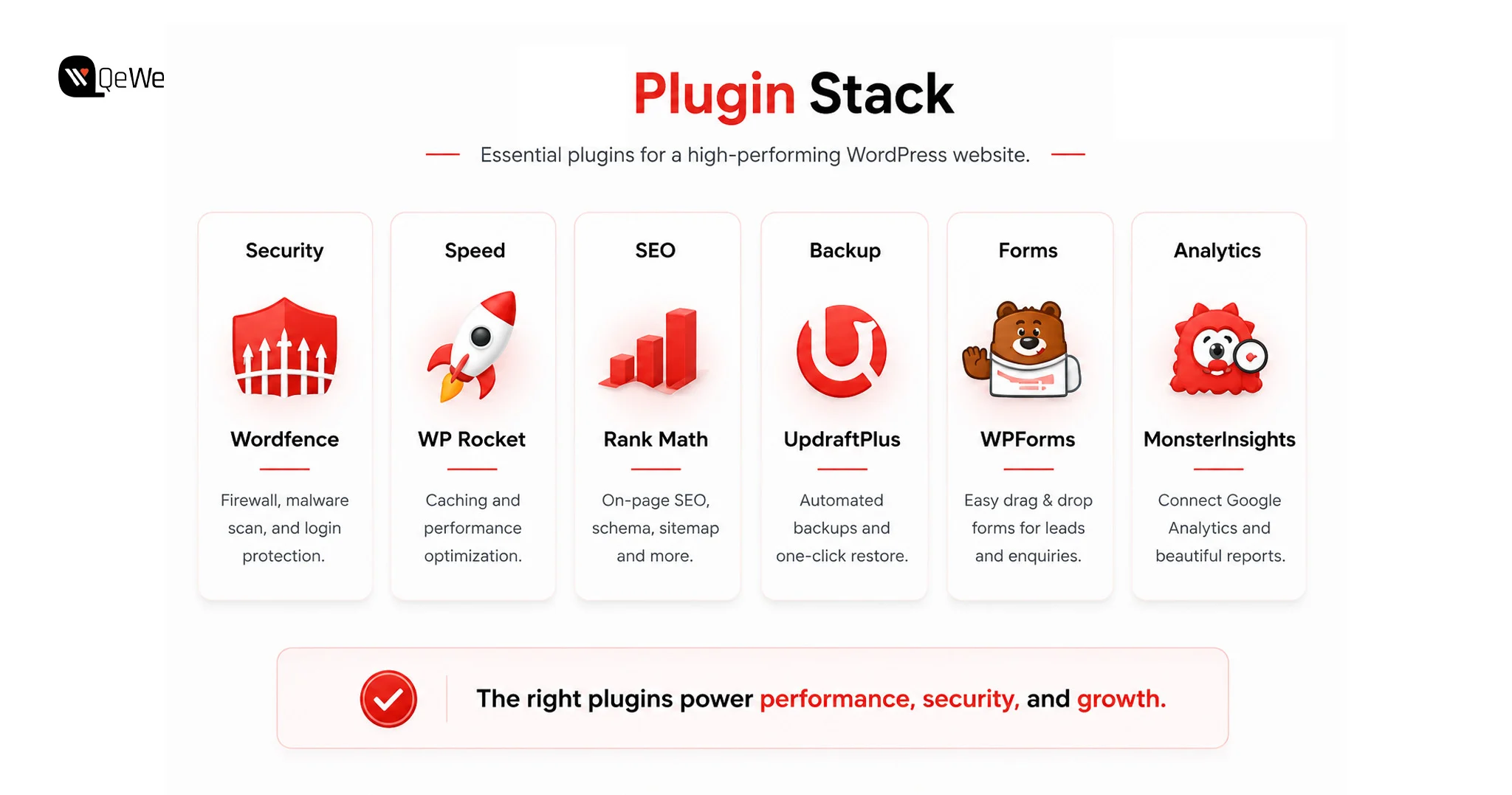
Plugin Stack

Website Need Recommended Plugin Options
Security Wordfence, Solid Security
SEO Rank Math, Yoast SEO
Speed Optimization WP Rocket, LiteSpeed Cache
Backups UpdraftPlus
Contact Forms WPForms, Gravity Forms
Analytics MonsterInsights, Google Site Kit
Login Protection WP 2FA, Loginizer
Dashboard Management WP Adminify, Adminimize

The right plugin stack supports the website without creating unnecessary complexity.

Mistakes Developers Make When Delivering WordPress Client Websites

Building a website is only one part of the job. The handoff process determines whether the client feels confident or frustrated.

Many common problems happen because important steps are skipped before delivery.

One mistake is focusing only on appearance. A beautiful website without SEO, analytics, security, or lead capture is incomplete.

Another mistake is giving clients unrestricted access without explaining what they should manage. Full administrator access may create unnecessary risks if users accidentally change important settings.

Ignoring maintenance planning is another missed opportunity. Websites require ongoing updates, security monitoring, and performance checks after launch.

A professional developer does not just deliver a website. They create a system that continues working after the project ends.

What Happens After You Hand Over the Website? The 30-Day Client Success Window

Most WordPress guides focus on building the website.

But the real test begins after launch.

The first month after handoff is when many client relationships are either strengthened or damaged.

During the first few weeks, clients usually experience similar challenges.

They log in and wonder where to make updates. They see plugin update notifications and are unsure whether clicking “update” is safe. They upload large images without understanding how they affect speed. Eventually, they ask whether anyone is visiting the website.

This is where proper preparation makes a difference.

Build WordPress Client Websites That Work Beyond Launch Day

A successful WordPress website is not defined by how it looks on launch day. It is defined by how well it supports the client’s business months later.

The strongest WordPress client websites combine design with the features that matter behind the scenes: security, speed, SEO, analytics, lead generation, and easy management.

Using this WordPress client website checklist before every launch helps developers deliver more reliable projects, reduce support issues, and create better long-term relationships with clients.

A website should not just be delivered.

It should be prepared to perform.
Talk to WordPress Expert

Conclusion

A successful website is not only measured by its launch but by how well it adapts as a business grows. The right foundation allows businesses to add new content, improve customer experiences, and make informed decisions without rebuilding everything from scratch. This is where strategic WordPress development makes a difference.

QeWebby helps businesses create WordPress solutions that are structured for performance, scalability, and easier management. With a focus on thoughtful development practices and business-driven outcomes, QeWebby enables clients to build websites that support their evolving digital needs.

Whether you’re launching a new website or improving an existing one, combining a structured WordPress QA Checklist, regular maintenance, and technical audits helps create a website that’s ready for long-term growth.

To discuss how you can create a website built for long-term success, contact us and explore the right WordPress solution for your business.
How to Monetize a WordPress Blog: 5 Strategies That Work in 2026

You have been publishing consistently. Traffic is slowly growing. The blog looks active. But the income dashboard is still empty.

That is where most “how to make money blogging” advice becomes frustrating. It tells you to add ads, join affiliate programs, write more posts, and wait. Technically true. Practically incomplete.

The truth of the matter is, only a handful of bloggers make their blog a profitable venture. The big money makers aren’t generating revenue by posting random content and hoping an audience magically appears.

For most new bloggers, ads are the slowest method to monetize. The revenue is typically based on sheer volume. If a blog earns $5 to $25 per 1,000 pageviews, making just $500 per month can require 20,000 to 100,000 monthly visitors.

Most new bloggers are not anywhere close to that amount. And this blog is the solution for anyone ready to skip the high-traffic waiting game. We are going to break down high-leverage strategies like targeted affiliate partnerships, premium digital products, and strategic consulting that actually turn a small, engaged audience into sustainable revenue.

Secret 1: Affiliate Marketing Done the Right Way

Why do Most Bloggers Get Affiliate Marketing Wrong?

Dropping random affiliate links into blog posts is not affiliate marketing. It is wishful thinking.

Real affiliate marketing for bloggers starts with buyer intent. The highest-converting posts are not generic informational articles. They are comparison posts, “best tools for” lists, honest reviews, tutorials, and alternative pages.

A reader searching “best email platform for beginner bloggers” is already evaluating options. That reader is far closer to buying than someone reading “what is email marketing?” That is the difference.

If you want to know how to monetize a WordPress blog with affiliate income, build content around decisions. Help readers compare. Help them choose. Make the recommendation clear.

How to Set Up Affiliate Marketing on WordPress Properly?

Start with affiliate programs that match your niche. Amazon Associates, ShareASale, Impact, PartnerStack, and niche-specific private programs are good starting points.

Then install a link management plugin such as ThirstyAffiliates or Pretty Links. These tools help you manage, cloak, organize, and track affiliate links from one dashboard.

Research matters more than most bloggers admit. Read Amazon reviews, Reddit threads, YouTube comments, and niche forums. Find what real buyers love, hate, and regret. That gives your content angles that generic roundups miss.

Feature DIY WordPress Maintenance Managed WordPress Maintenance
Cost (Estimation) $0–$100/month $100–$500+/month
Time Commitment 5–15+ hours/month (staffed) Minimal (provider handles most tasks)
Required Expertise Moderate to high technical troubleshooting skills Minimal WordPress usage/familiarity
Security & Risk Manual, expertise-dependent; higher exposure Proactive, expert auditing, 24/7 monitoring
Performance Manual optimization; plugin/setup dependent Server, CDN, cache optimized by experts
Scalability & Support Poor, increasingly complex with growth Automated scaling, multi-site support

Secret 2: Selling Digital Products Is the Highest Margin Method Nobody Talks About

Why Do Digital Products Change the Income Game?

Digital products change the math because you create once and sell repeatedly. No inventory. No shipping. No stock limits. Almost no cost per additional sale.

That is why selling digital products on WordPress can outperform ads for many bloggers. A $19 template only needs 27 sales to cross $500. A blog relying on ads may need tens of thousands of pageviews for the same result.

The best digital products solve one specific problem for one specific reader. “Blogging ebook” is weak. “30 Affiliate Review Templates for Food Bloggers” is clear. Precision sells because the buyer immediately understands the outcome.

What Actually Sells and How to Launch It on WordPress?

Product Type Realistic Price Range
eBooks $9 to $49
Notion templates $9 to $39
Spreadsheet planners $15 to $79
Printable toolkits $7 to $29
Mini courses $49 to $299
Swipe files $19 to $99

If you’re planning to build a full digital storefront, our WooCommerce Development Services can help you create a scalable selling experience.

Secret 3: The Membership Model Gives Bloggers Predictable Monthly Income

Why Are Memberships the Smartest Long-Term Revenue Play?

Ad income fluctuates with traffic. Affiliate income fluctuates with buying intent. Sponsored content depends on brand budgets. Membership income is different.

It provides a steady stream of income for bloggers. Assume 100 members who pay $10 monthly. This is $1000/monthly recurring income from a small number of readers who trust that the blogger will provide more than what they get for free.

This is one of the strongest WordPress blog monetization strategies for bloggers with a loyal audience.

What Goes Inside a WordPress Membership?

Membership Asset Example
Exclusive content Advanced tutorials or private guides
Templates Downloadable resources
Community access Private forum or group
Monthly calls Q&A, coaching, audits
Resource library Checklists, swipe files, examples

Put together a WordPress membership site with MemberPress or Paid Memberships Pro. BuddyPress can assist you to create your personal member space when the offer features community. Give a discount to the first 20 (or 50) people to build momentum and establish proof.

Secret 4: The Email List Is Worth More Than the Blog Itself

An email list is not an add-on. It is the revenue engine. Search traffic discovers you. Email lets you reach the reader again without waiting for Google, Pinterest, Instagram, or any platform algorithm.

That is why email list monetization should start from the first blog post. Not after the site is ready. Not after traffic grows. Not after 50 articles.

A targeted list of 1,000 subscribers can outperform a blog with 50,000 monthly visitors if the subscribers trust the writer and the offers match their problems.

Method How It Works
Affiliate promotions Recommend relevant tools directly
Product launches Sell templates, ebooks, or courses
Sponsored newsletters Let brands reach your audience
Membership invites Convert loyal readers into members
Service offers Sell audits, consulting, or setup help

Use any of ConvertKit, Mailchimp, FluentCRM, or MailPoet. Place opt-in forms in posts, at the end of articles, and on high-traffic pages. Provide a ‘freebie’ like a checklist, template, planner or mini email course.

If you plan to use a WordPress blog setup service, you will get a professional blog setup the right way from the beginning, including the technical aspects such as having fast-loading pages, capturing emails, lead magnets, analytics, product pages, and conversion paths.

The Email List Images

Secret 5: Sponsored Content Pays Fast Even With a Small Audience

Sponsored Content can generate quicker income than almost any other monetization technique. No need to have a lot of followers. You must have the correct target market.

A food blog that has 3,000 loyal readers is more beneficial to a kitchen brand than a general lifestyle blog with 50,000 visitors who aren’t necessarily loyal to the brand. Attention, trust, and relevance are all paid for by brands.

This is the reason why a small niche blog may be able to secure sponsored content blog deals ahead of being accepted by an ad network. Traffic is useful. It is best to use audience fit.

Item What to Add
Monthly traffic Pageviews and sessions
Email list size Subscriber count and open rate
Audience profile Niche, location, interests
Content examples Best-performing posts
Sponsorship options Blog post, newsletter, bundle
Starting rates Clear pricing range

Include appropriate rel=sponsored or rel=nofollow attributes to paid links. If you are pitching brands on your WordPress website, before pitching brands or selling products, make sure your website looks trustworthy. Follow our WordPress Security Checklist to secure your site before approaching sponsors.

The Thing Every Blogger Searches For But Nobody Honestly Answers: How Long Before This Actually Makes Real Money?

Every monetization blog talks about methods. Very few give honest timelines. That matters because unrealistic expectations kill more blogs than bad writing.

Timeline What Usually Happens Realistic Income
Months 1 to 3 Setup, publishing, indexing, list building $0
Months 3 to 6 First affiliate commissions $50 to $300/month
Months 6 to 12 Affiliate income plus first digital product $300 to $1,000/month
Months 12 to 18 Email list grows, first brand deals, membership test $1,000 to $3,000/month
Month 18+ Multiple revenue streams working together $3,000 to $10,000+/month

Most bloggers quit before month 12. That is the painful part. The income is usually back-loaded. Early work compounds slowly, then suddenly the blog has search rankings, subscribers, affiliate posts, product pages, and brand credibility working at the same time.

Bloggers who want a professional monetization setup can use a WordPress website monetization service to handle payment gateways, membership configuration, email integrations, product pages, analytics, and sponsored content setup.

Plugin Quick Reference: What to Use for Each Monetization Method

Method Best Plugin Free Option
Affiliate Link Management ThirstyAffiliates Pretty Links
Digital Products Easy Digital Downloads WooCommerce
Memberships MemberPress Paid Memberships Pro
Email Capture ConvertKit Forms Mailchimp for WordPress
Display Ads Ad Inserter Advanced Ads
Sponsored Post Disclosure PublishPress Future Sponsored Post Disclaimer

As your blog grows, keeping plugins updated, improving performance, and maintaining security becomes just as important as publishing new content. Explore our WordPress Maintenance Services to keep your website running smoothly.

Stop Treating the Blog Like a Hobby and Start Treating It Like a Business

Bloggers who earn a consistent income are not always smarter or more talented. They simply made better operating decisions. They picked the right monetization method for their stage. They built their email list early. They created content around buyer intent. They sold simple digital products before building complicated funnels. They pitched sponsors once the audience became clear.

That is the real answer to how to monetize a WordPress blog. Pick one method from this list. Set it up this week. One live revenue stream is worth more than five monetization ideas sitting in a notebook.

Every subscriber, affiliate post, digital product sale, and sponsored deal compounds. Choose the method that fits where your blog is right now. Build it properly. Then let the next method stack on top.

Stop Treating the Blog

UX Website Audit: How to Improve Conversion Rates on WordPress

WordPress powers a massive share of the web, with a 42.5% CMS market share. However, there is a cost to scale. Founders and marketing teams need to understand, when using WordPress at scale, that traffic alone is not growth if users bounce before they act.

This guide is based on real audit frameworks used to improve conversion performance across WordPress websites.

How do you ensure users don’t leave before completing key actions?

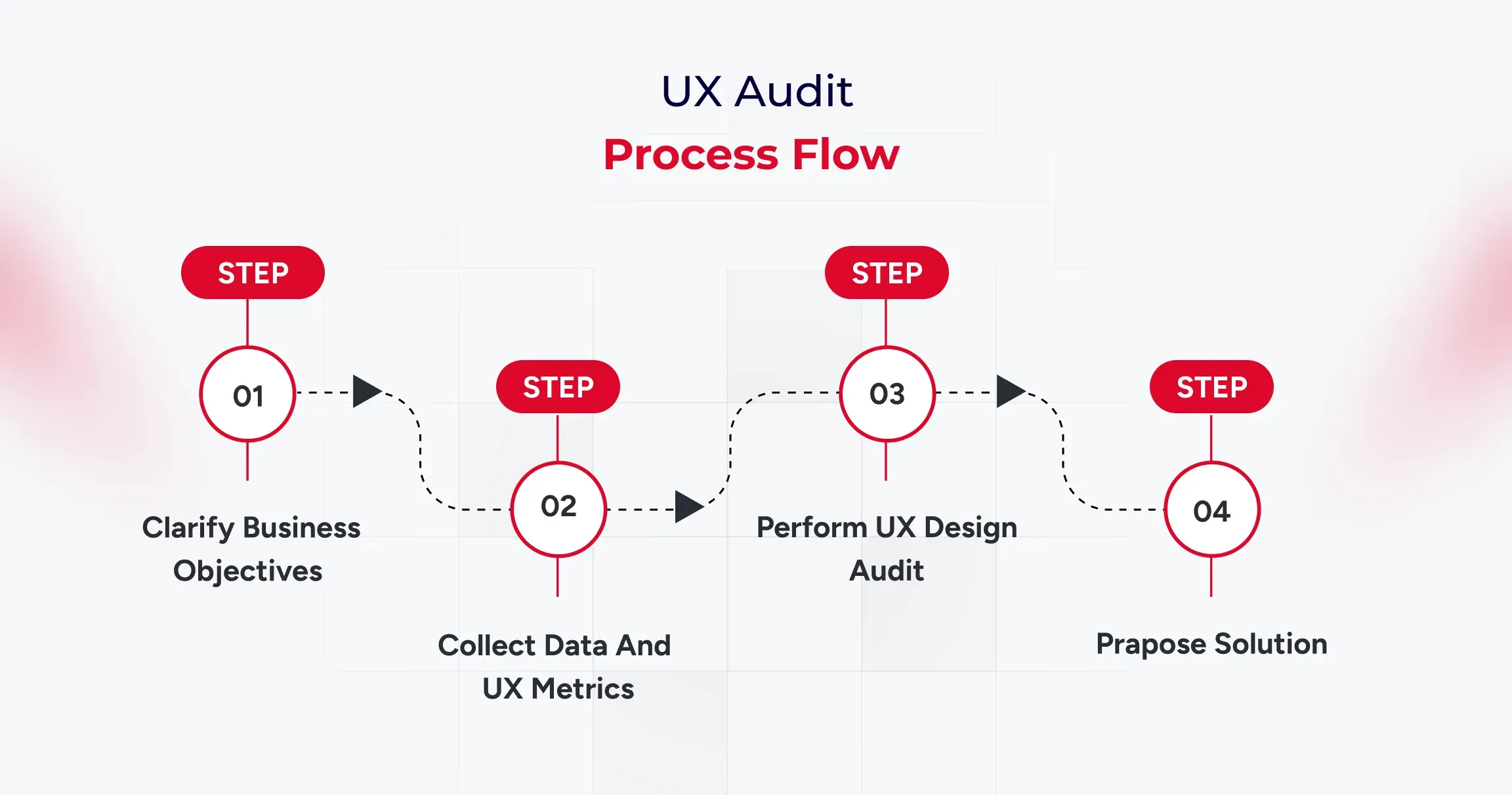
A UX website audit helps gain measurable diagnosis, tying design, performance, and usability issues to revenue events. A structured website conversion audit helps you pinpoint churn points, which you can fix by using expert UI/UX design and development services.

In this guide, we break down practical strategies to improve conversion rates and optimize WordPress user experience. So, let’s get started with the ultimate WordPress UI/UX audit guide.

What is a UX website audit?

A UX website audit is a structured analysis of user behavior, performance, and usability to identify where users drop off and how to improve conversion rates.

Start a WordPress UX Website Audit by Defining Conversion Goals

A conversion goal is a measurable action tied to business value, not a visual preference. For lead generation sites, macro conversions include demo requests, consultation bookings, and form submissions. For WooCommerce sites, macro conversions include completed purchases and checkout completion rate.

Micro conversions matter because they predict macro outcomes. Track add-to-cart rate, pricing-page views, click-to-call actions, scroll depth, and newsletter signups as leading indicators. Google’s documentation on GA4 purchases and eCommerce reports, and key events setup, gives the minimum event architecture you need before auditing UX.

If GA4 key events are not correctly configured, your audit is mostly guesswork. You might improve aesthetics and still lose revenue because no one measured task completion in the first place.

Audit the First 5 Seconds: Consent UX and Privacy Friction

Before a user ever sees your value proposition, they interact with your compliance layer. Large companies live and die by GDPR and CCPA, but poorly designed cookie banners are massive conversion killers.

Audit your Consent UX:

  • Does the banner block the Largest Contentful Paint (LCP) on mobile?
  • Is the opt-in seamless, or does it force users to hunt for the “Accept” button?

If your privacy compliance frustrates users immediately, your bounce rate will spike before the user even begins their journey.

Analytics Shows Where Users Leave, UX Analysis Explains Why

Analytics shows symptom location, not root cause. A drop on a contact page tells you where failure occurs, but not whether the issue is unclear value proposition, poor field design, weak trust signals, or mobile friction.

#1. Build a website conversion audit from GA4 funnel drop-offs

Start with the landing page report, device category split, source-medium quality, and funnel exploration. If paid traffic exists on mobile landing pages at a higher rate than desktop, you likely have mobile readability, hierarchy, or CTA visibility issues, not just “bad traffic.”

#2. Connect website conversion audit findings to user intent gaps

Map every high-drop page to the user’s job on that page. A pricing page job is not about browsing; it is about plan comparison and confidence-building. A contact page job is not reading; it is a low-friction submission that reassures about response time and privacy.

#3. Prioritize website conversion audit pages by revenue proximity

Review pages that directly impact revenue, such as checkout, lead forms, pricing, and high-intent landing pages. This is where small UX improvements usually return faster gains than broad redesign work.

What Is a Website Conversion Audit?

A website conversion audit analyzes user journeys, funnel drop-offs, and interaction data to identify friction points that reduce conversions.

Core Web Vitals Reveal Hidden Performance Friction on WordPress Sites

Core Web Vitals are user experience thresholds tied to perceived speed and interaction quality. web.dev defines healthy targets as LCP at or below 2.5s, INP at or below 200ms, and CLS at or below 0.1 at the 75th percentile.

On WordPress, performance debt often comes from heavy themes, page builder bloat, render-blocking scripts, oversized media, excessive third-party tags, and a weak caching strategy. The WordPress Hosting Performance Handbook is useful because it frames optimization as system design, not plugin roulette.

Poor CWV is not only an SEO problem, but it is also a trust problem. If the first viewport stalls, users infer risk before they read your offer.

What Is a Conversion Optimization Audit?

A conversion optimization audit focuses on improving high-impact areas like forms, checkout flows, and CTAs to increase task completion and revenue.

Mobile UX Often Determines Whether Visitors Ever Reach the CTA

According to report, 53% of mobile users abandon a website if it takes longer than 3 seconds to load.

Mobile-responsive means layouts technically resize. Mobile-optimization means users can complete tasks comfortably on small screens, with a clear hierarchy, readable type, and touch-friendly interactions.

  • Audit your mobile flow for menu depth, sticky header behavior, tap target sizing, above-the-fold CTA visibility, form fatigue, and friction caused by intrusive pop-ups.
  • Use Chrome DevTools and real-device checks because simulated tests miss thumb-zone and visual density issues.

Google’s mobile speed perspective and web.dev vitals guidance both reinforce that delay compounds abandonment. Most WordPress sites fail mobile not because teams ignore users, but because desktop-first blocks get stacked without mobile task prioritization. That is a design governance issue, not a single bug.

Forms and Checkout Flows Are the Highest-Value Audit Zones

Research from the Baymard Institute shows that the average cart abandonment rate is around 70%, often caused by complex checkout processes and poor usability.

Form and checkout design decide whether intent becomes revenue. Baymard’s checkout research and benchmarks are still the most practical evidence base for eCommerce teams, including the widely cited cart abandonment benchmark and checkout findings.

For lead-gen forms, reduce field count, clarify labels, use inline validation, and add contextual trust copy near submit actions. For WooCommerce checkout, support guest checkout, reveal costs early, simplify error recovery, and keep order review obvious.

A conversion optimization audit should prioritize these changes over cosmetic refreshes because they directly affect completion rates. The highest-converting checkouts are usually visually calm, predictable, and intentionally boring.

Accessibility Improvements Often Become Conversion Improvements

The WebAIM Million report found that over 95% of homepages have detectable accessibility issues, many of which impact usability and conversion performance.

Accessibility is a measurable usability quality, not a legal afterthought. WebAIM’s 2025 Million report found detectable WCAG failures on most analyzed home pages, and the same failure patterns often reduce conversion clarity for everyone.

Check CTA contrast, form label association, keyboard navigation, focus visibility, alt text coverage, empty button labels, and readable error messaging. Align your reviews with WCAG guidance from W3C, including practical implications of modern focus and target-size expectations.

The commercial angle is direct: inaccessible interactions increase cognitive load, and cognitive load kills action completion. Fixing accessibility frequently improves mobile completion rates, form success, and trust signals in one move.

A Strong Audit Prioritizes Fixes by Revenue Impact and Effort

Prioritization converts findings into outcomes. Use a simple matrix with effort on one axis and business impact on the other.

Quick wins include CTA contrast correction, image compression, form label clarity, and clarity of the above-the-fold message. Medium initiatives include simplifying navigation, aligning landing page intent, and reducing checkout steps. Large initiatives include theme refactor, page-builder cleanup, or full WooCommerce flow redesign.

Run a conversion optimization audit backlog with an impact x effort model

A conversion optimization audit backlog should be treated like a growth roadmap, not a design wishlist. Define owner, expected KPI movement, implementation effort, and validation window for each item before development starts.

A/B testing belongs after instrumentation and traffic reality checks. If your sample size is small, sequential UX improvements plus before/after cohort measurement are usually more reliable than underpowered split testing.

User Testing Validates What Analytics and Expert Review Cannot Prove

Heuristic evaluation and usability testing answer different questions. It is fast and cost-efficient for expert diagnosis. On the other hand, task-based testing with five representative users reveals internal friction that teams overlook.

Use task scripts tied to conversion intent: find pricing, submit a lead form, complete checkout, recover from an input error, and locate policy reassurance. Then compare observed friction against analytics drop points and fix the priority list.

This is where a website conversion audit matures into confidence in decisions. You move from “we think this is better” to “users completed the task faster, with fewer errors, on the pages that matter.”

Conclusion

A strong WordPress audit sequence is clear: goals first, then analytics, then CWV, mobile UX, forms and checkout, accessibility, prioritized fixes, and user validation. That framework gives business owners and growth teams an execution roadmap, not a generic design critique.

A UX website audit is most valuable when it ends with accountable implementation decisions, which is exactly where experienced UI/UX design and development services deliver measurable lift in leads and sales.

How to Choose a WordPress Theme for Your Business Website

Most business owners don’t land on the wrong WordPress theme because they have bad taste. They pick by scrolling demos, not by checking what’s under the hood. And the hood is exactly what breaks six months later.

WordPress.org alone hosts more than 14,000 free themes, and once you count the premium marketplaces, the number rockets past six figures. That much choice is paralyzing. Worse, almost every theme conversation gets stuck on how things look. But the best theme isn’t a design pick at all. It’s an infrastructure decision, and it touches speed, crawlability, and whether your plugins play nice together.

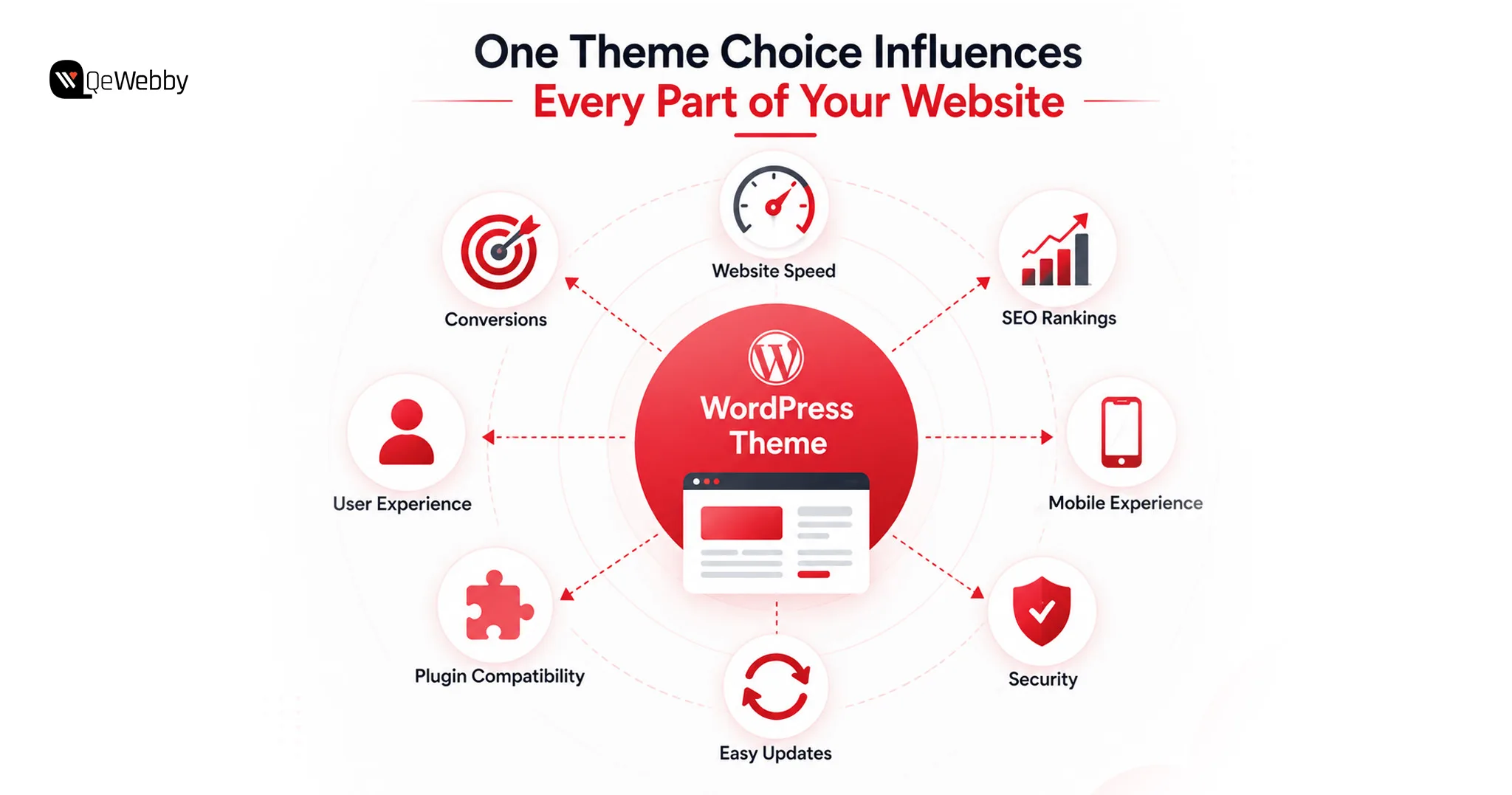
Choosing the wrong WordPress theme doesn’t just affect how your website looks. It influences page speed, SEO, mobile usability, plugin compatibility, maintenance costs, and even how easily your team can update content. A good theme becomes the foundation for everything that follows.

This guide walks through what to check before you install anything: a pre-purchase checklist, an honest free-versus-premium breakdown, the strongest options available right now, and the one mistake nearly every owner makes the moment the theme goes live.

Your Theme Isn’t a Design Choice. It’s the Foundation Everything Else Sits On

One Theme Choice

Your WordPress theme isn’t a design decision. It’s a technical foundation. You set it on day one, before a single word of content or a single plugin ever touches the site.

Most people judge a theme by scrolling the demo and asking, does it look good? That’s the wrong question. The theme decides how fast every page loads, how the browser paints it, and how long a visitor stares at nothing before something finally shows up. Looks should be the last thing you weigh, not the first.

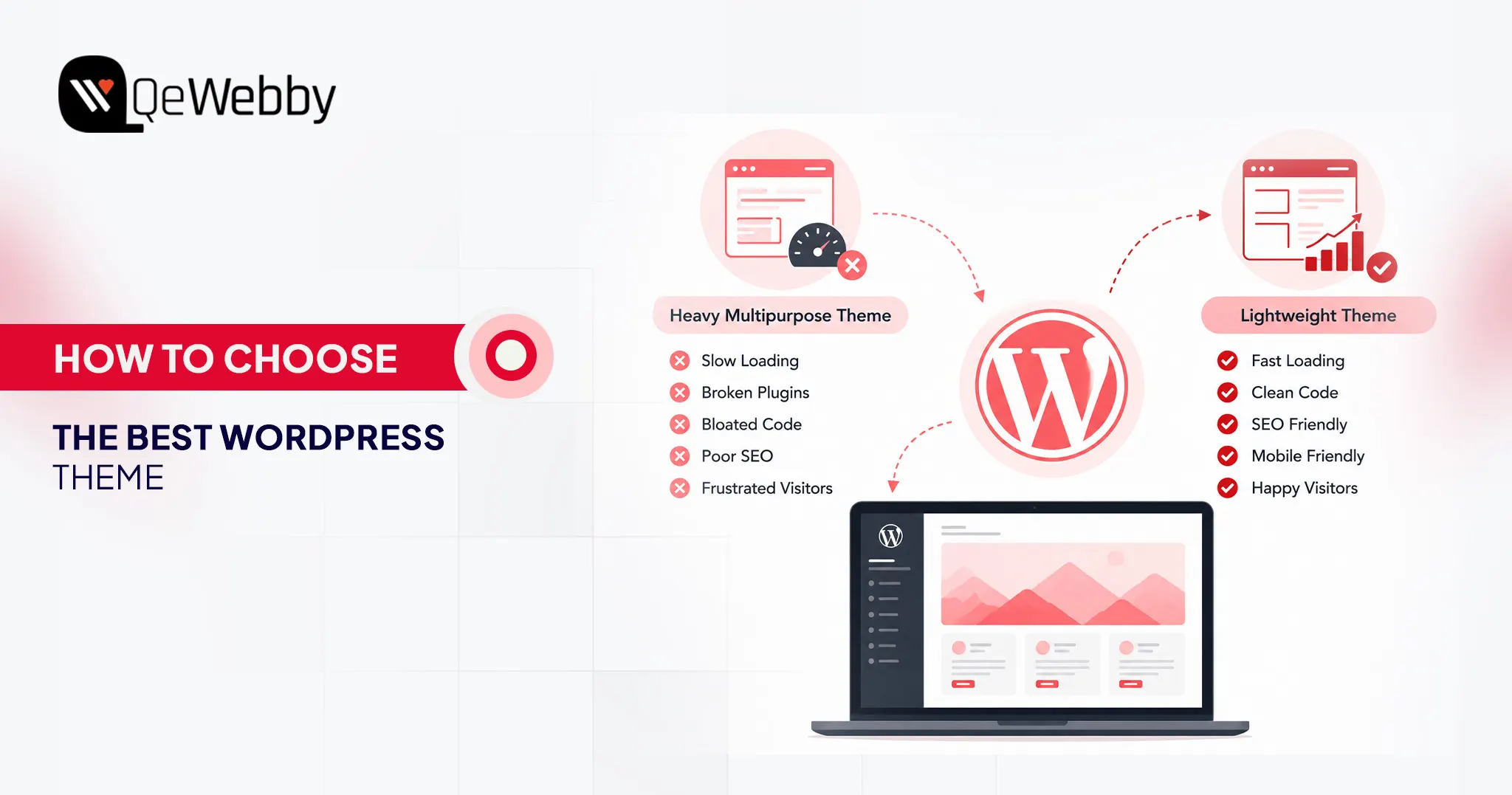
Here’s where it all goes sideways. Those flashy “multipurpose” themes promise you everything at once. Sliders. Animation libraries. A dozen design modules. Page builders stacked on page builders. Sounds generous. It’s the opposite of generous.

Every one of those features ships as extra CSS and JavaScript that your browser has to download and parse, whether you ever use it or not. And most of it you never will. The browser has no way of knowing that. So it loads the whole payload anyway, chokes, and your load time picks up the tab.

Once you’re stuck on a bloated theme, you can’t optimize your way back out. Install a caching plugin. Lazy-load your images. Minify the scripts. Buy a faster host. None of it repairs the foundation. A slow, poorly coded theme stays slow, and you end up patching a structural problem with surface-level tools.

So flip the priority. Fast sites start with lightweight themes built on clean, minimal code. The good ones use modular architecture, which is a fancy way of saying they load a resource only on the page that actually needs it. Nothing ships by default. Nothing loads “just in case.”

Before You Browse a Single Theme, Answer Three Questions

Here’s how each question maps to the technical calls that decide whether your site ends up fast or slow.

1. What Is This Site Actually For?

The site’s core job doesn’t just shape the layout. It dictates your whole hosting and caching strategy, and those two calls matter more than the theme itself.

Service and content-first sites are the easy case. They serve mostly static pages to anonymous visitors, so a lightweight theme plus edge caching, something like Cloudflare APO, can deliver those pages almost instantly anywhere on earth while barely touching your server.

WooCommerce and membership sites are a whole different animal. Everyone checks whether a theme looks good with WooCommerce, and that’s the part that matters least. These sites run on dynamic, personalized content: shopping carts, user profiles, account pages. That content skips standard page caching entirely. You simply can’t cache a cart.

So you push the caching down a level. Server-side object caching with Redis is what soaks up the flood of complex database queries these setups throw off. Skip it, and the database turns into your bottleneck no matter how clean the theme underneath is.

2. Who Manages The Site Day-To-Day?

The manager’s technical comfort decides whether you build on a page builder or on native WordPress tools. That one fork has huge consequences for speed.

Non-technical owners drift toward Elementor and WPBakery for an obvious reason. They’re easy. Drag, drop, done. But a page builder isn’t a feature. It’s an entire framework bolted on top of WordPress, and it injects heavy, render-blocking CSS and JavaScript into every page you publish. The convenience is real. So is the tax.

Want that usability without paying the tax?

Skip the heavy builders and lean on the native Gutenberg block editor instead. Pair Gutenberg with a performance-first theme, GeneratePress, Astra, Neve, or Kadence, and you can build genuinely complex layouts at file sizes that often land well under 50KB. Same result on screen. A fraction of the weight underneath it.

3. What Plugins Does The Business Actually Need?

Map your plugin stack before you commit to a theme, because quality beats quantity every single time, and it isn’t close. One badly coded plugin will drag your site down harder than a dozen well-built ones running side by side.

While you’re mapping, cut the resource-heavy gimmicks. Image sliders and carousels are the worst offenders. They pull in multiple heavy JavaScript files and oversized images, wreck your Largest Contentful Paint scores, and trigger layout shifts, all while posting some of the lowest engagement numbers in web design. You’re paying a steep performance price for something almost nobody clicks.

Defining your exact needs upfront, contact forms, SEO, booking, whatever the business truly runs on, does one more thing for you. It stops you from stacking overlapping plugins that fight each other, bloat your database, and multiply your HTTP requests. Fewer moving parts. Fewer things waiting to break.

Before choosing plugins, it’s also worth reviewing the essential WordPress features every business website should include so your theme supports the functionality your website will actually need from day one.

The pattern across all three questions is the same. Decide what you need before you choose what you build on. Not after.

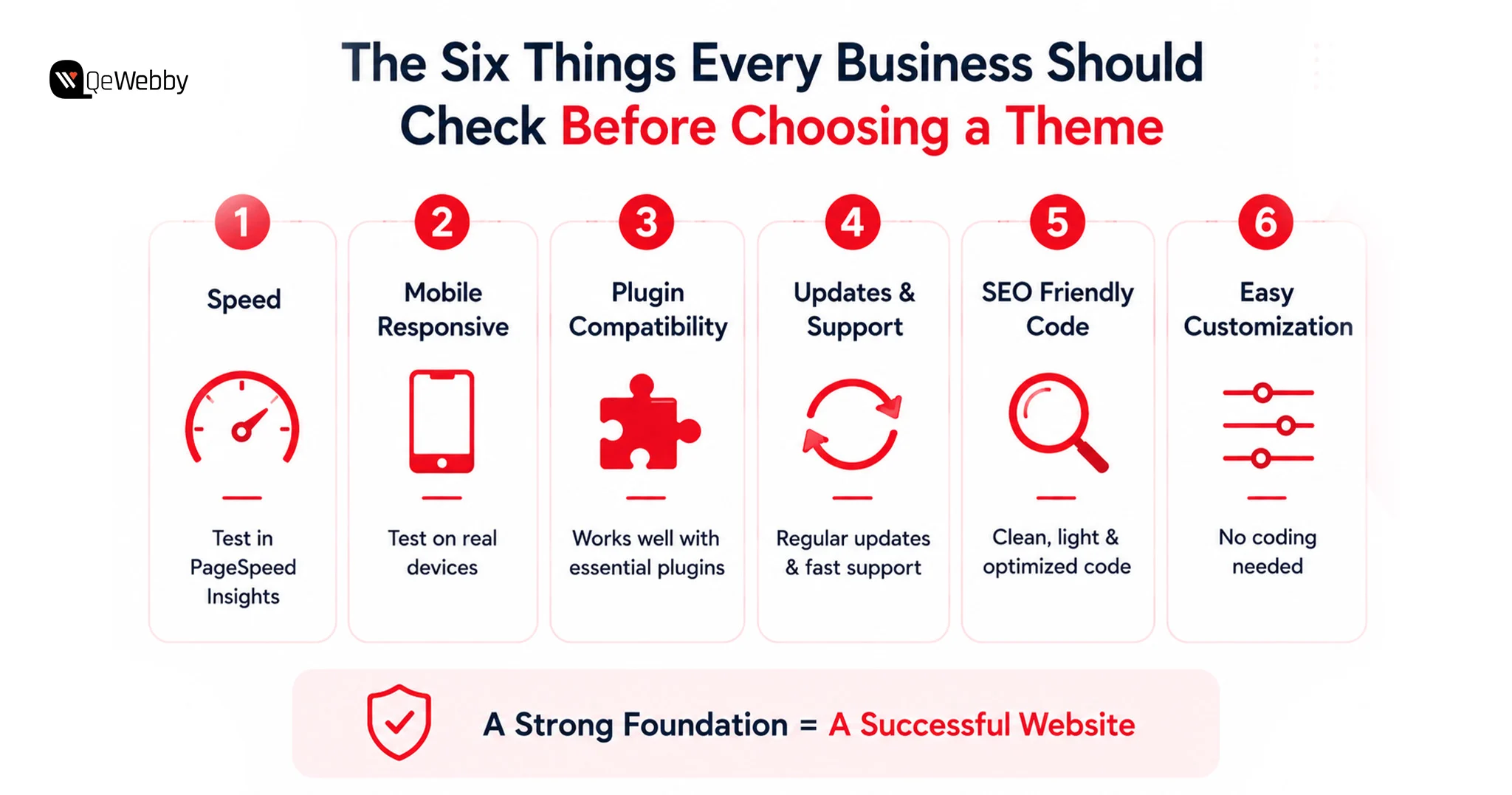
The Six Checkpoints That Separate a Theme That Lasts From One You’ll Replace by Q3

These six checkpoints do the one thing most theme checklists never manage. They connect what you’re checking to why it decides the outcome.

Each one maps straight onto the technical reality of a fast site, from Core Web Vitals down to whether the thing still scales two years from now.

Here’s how each checkpoint translates into the architecture underneath a site that actually performs.

Six Things Every Business Should Check

1. Speed: Test The Demo Before You Buy

Run the demo through Google PageSpeed Insights before you spend a dollar. Not optional. The theme sets your absolute performance ceiling, and here’s the part people miss: if it’s already bloated in its clean, empty state, it only gets worse from there.

All that render-blocking CSS and JavaScript is baked in from the start. Add real content, real images, real plugins, and the numbers slide further down. Look for themes built for speed and sold as “lightweight,” usually under 1MB.

Astra, GeneratePress, Neve, and Kadence all clear that bar. They run on modular architecture, and a well-configured page can sometimes load with under 50KB of resources.

Even the fastest theme benefits from ongoing optimization. Our WordPress speed optimization service helps improve Core Web Vitals, reduce load times, and maximize website performance after launch.

2. Mobile Responsiveness Isn’t Optional

Test on a real phone. Not the browser’s mobile preview, an actual device, because that’s where themes quietly come apart. Phones have weaker CPUs and slower networks, so a theme that flies on your desktop can flunk Google’s Interaction to Next Paint metric on mobile with no warning at all. The usual culprit is JavaScript.

When the menus, animations, or formatting all lean on heavy scripts, every tap and scroll comes with a lag. Mobile visitors feel it before they can even name what’s wrong.

3. Match The Theme To Your Builder

Pairing the theme with the right builder avoids the obvious technical conflicts, and you’re right to check for it. But the faster move is to skip the heavy page builders altogether whenever you can. A builder isn’t a plugin. It’s a second framework stacked on top of WordPress, and it drags the whole site down with it.

The native Gutenberg block editor is cleaner and quicker, full stop. If you genuinely need Elementor, at least pair it with a stripped-down, blank-canvas theme like Hello Elementor or Astra, so the theme isn’t wrestling the builder for the same resources.

4. Updates And Support Response Time

An abandoned theme isn’t just a broken-features problem. It’s a security hole and a performance anchor at the same time. Themes the developer walked away from stop keeping pace with new PHP versions, and that traps you.

To keep the old theme breathing, you end up running an old, unsupported PHP version, which forces your server to process every request the slow way.

That’s a free speed upgrade you’re tossing in the bin, because modern PHP handles two to three times the requests per second. You’re leaving real performance on the table just to protect code nobody maintains anymore.

Keeping your theme updated is only one part of maintaining a healthy website. Following a comprehensive WordPress security checklist helps protect your site against outdated plugins, malware, weak login security, and other common vulnerabilities.

5. SEO-Friendly Code Structure

Clean code decides whether the browser can paint your page fast or has to crawl through it. Watch for themes that load external scripts, tracking pixels, and web fonts on every single page, used or not. Each one is another HTTP request, and each request blocks the first render.

Stack enough of them, and you’ve gutted your Time to First Byte and your Largest Contentful Paint, the exact scores that both search engines and visitors notice. The tell is simple: a theme that loads everything everywhere, just in case.

6. Customization Without Developer Intervention

A friendly customizer matters if you’re not technical. No argument there. But watch how the theme buys you that flexibility. Too many pay for their “easy customization” with visual gimmicks, built-in sliders, carousels, and animated hero modules, and those come at a real cost. They demand multiple large images and heavy JavaScript, wreck your load times, and cause the jarring layout shifts that tank your Cumulative Layout Shift score.

All of that, for features with some of the lowest engagement numbers on the web. Pick a theme that’s genuinely easy to edit but leans on clean, static hero images instead of interactive modules that look impressive and do nothing.

Free vs. Premium: The Comparison Most Guides Won’t Give You Straight

Most guides simply compare free and premium themes feature by feature. The better question is when each option actually makes sense for your business.
A free theme is a smart and sensible option for a straightforward 5-page brochure site, a webpage that is still learning, and also a business introducing a concept prior to investing real money. Official WordPress.org themes are pre-reviewed for quality and security before they enter the official WordPress.org directory. For now, the best free options are Astra Free, GeneratePress Free, Kadence Free, and Blocksy Free.

The moment reliable support, frequent updates, and design quality begin to turn a profit (most of the time for business sites and eCommerce stores) is among the reasons that Premium is expensive.

Generally, the hours of time you save will cost around $50 to $100. Premium themes also offer more secure shipment by using teams that practice standard shipping practices. This can slow down free themes and leave their support to the community forums.

Schedule a Free Consultation

Discover the best WordPress Business Themes that are currently used.

  • Astra: It is the all-rounder, with over 2 million active users. Elementor, Divi, and Gutenberg are all fast, lightweight, and clean. The free version is pretty solid on its own, and Astra Pro further provides a sophisticated header/footer builder and more in-depth WooCommerce support.
  • GeneratePress: The theme that has always been one of the fastest builders out there due to its minimal design. Core Web Vitals affect the page rank of the website, particularly in developer and corporate websites with lots of content.
  • Kadence: Natively built forthe WordPress block editor, which means it provides a fast, flexible editing experience with no separate page builder to clutter the mix. Out of the box, a solid integration of WooCommerce. It’s the perfect match for anyone who wants to stick with native WordPress solutions in the long term.
  • Avada: It is one of the world’s highest-selling premium themes, with its own Fusion Builder and hundreds of pre-built designs. As a part of the purchase price, lifetime updates and dedicated support are provided.

Why Your Site Never Looks Like the Demo, and Nobody Tells You Why

A businessman sets up a theme, gets its pages published and then wonders, “What’s the point if it looks nothing like the thing that sold me?” Despite being one of the most frequent grips in the entire WordPress community, it is almost never tackled in a head-on fashion by any theme guide.

The demo sites feature staged content to demonstrate the possibilities of a theme. As soon as it’s installed, a real site replaces that staging, and it can be a painful experience until you are able to tweak your menus, medi,a and pages just so they look right. Premium stock photography is used to create demo content by professional designers, and most businesses cannot manage to get that polish without any assistance.

Eliminating the gap isn’t difficult. It’s just deliberate. Import the demo content before you start to import your own. Themes with good quality are normally one-click import. Replace all the sample pictures with actual photos; there’s nothing like a good quality, free Unsplash photo or real photo over a shoddy phone photo.

The typography is the most obvious and easily replicated visual element, so follow the demo’s font combinations as closely as possible. Limit your layouts to a basic design. Attempting to duplicate a complex demo without design experience will necessarily tend to make things harder rather than easier.

Many businesses discover that installing the right theme is only the first step. If you want your finished website to match the quality of the demo while reflecting your own brand, our WordPress website design service for small businesses can help with professional layouts, typography, imagery, and customization.

Expert’s Take: Select the theme with the minimalism demo, which fits the business, not the most gorgeous one. A well-designed, simple theme is better than a complicated, poorly designed theme, and that’s always true.

Talk To Our Designers

Common Mistakes When Choosing a WordPress Theme

Most businesses don’t regret choosing WordPress. They regret choosing the wrong theme.

The mistake usually isn’t obvious on launch day. It appears months later when the website becomes difficult to update, loads slowly, conflicts with new plugins, or no longer reflects how the business has grown.

1. Choosing a Theme Based Only on the Demo

The homepage demo is designed to sell the theme, not represent what your website will look like after installation.

Professional demos use premium photography, carefully written copy, custom graphics, and hours of design work. Installing the same theme won’t automatically recreate that experience.

Instead of asking, “Does this demo look impressive?” ask:

  • Does this layout support my business goals?
  • Can I realistically recreate it?
  • Will it still look good with my own content?

A simple, well-designed theme customized properly almost always performs better than a complicated demo that’s impossible to replicate.

2. Ignoring Website Speed

Many business owners fall in love with themes packed with animations, sliders, videos, and visual effects.

Unfortunately, every additional feature usually means more CSS, JavaScript, and larger files that visitors must download before the page becomes usable.

Before purchasing any theme, run its demo through Google PageSpeed Insights.

If the demo loads slowly before you’ve added your own content, it will almost certainly load even slower after launch.

3. Forgetting About Plugin Compatibility

A website rarely relies on the theme alone.

Most business websites also use plugins for:

  • SEO
  • Contact forms
  • WooCommerce
  • Booking systems
  • Memberships
  • Marketing automation

Choosing a theme without checking compatibility often leads to layout issues, broken functionality, and expensive development work after the website goes live.

4. Choosing a Theme That’s Difficult to Maintain

Some themes offer hundreds of customization options but require constant developer involvement to make even small updates.

If your team plans to manage content internally, choose a theme that allows you to update:

  • Text
  • Images
  • Colors
  • Fonts
  • Page layouts

Without writing code.

5. Ignoring Updates and Support

A WordPress theme isn’t something you install once and forget.

Themes need regular updates to remain compatible with:

  • New WordPress releases
  • PHP updates
  • Security improvements
  • Plugin changes

Before choosing a theme, check:

  • When it was last updated
  • Whether the developer actively maintains it
  • How quickly support questions receive responses

An abandoned theme can quickly become both a security risk and a maintenance headache.

6. Switching Themes Directly on a Live Website

Many businesses underestimate how much a theme controls.

Changing themes without testing first can break:

  • Navigation menus
  • Widget areas
  • Page layouts
  • Custom styling
  • WooCommerce pages

Always test a new theme in a staging environment before replacing your live website.

The Right Theme Makes Everything Easier

The theme is the foundation on which everything else sits. Speed, SEO, mobile experience, conversions- they all start right here. Five things outweigh how impressive any demo looks: speed, mobile responsiveness, page builder compatibility, regular updates, and plugin support.

Choose for the business goal and for whoever manages the site day to day. Not for the polished screenshot on the sales page.

Next step: open Google PageSpeed Insights, paste in the demo URL you’re eyeing, and check the score before you buy.

That’s 60 seconds against weeks of headaches down the road. If you’d rather avoid the trial and error altogether, a professional WordPress website development service can help you choose the right theme, customize it around your business goals, optimize performance, and launch a website that’s built for long-term growth.

Book a free strategy call

The Bottom Line

The best WordPress theme isn’t necessarily the one with the most impressive demo or the longest list of features. It’s the one that aligns with your business goals, performs well, works with your existing tools, and remains easy to manage as your website grows.

Choosing carefully today is far easier and far less expensive than rebuilding your website six months from now.

6 Tech Skills Entrepreneurs Must Have to Succeed

Business today operates in a state of constant change. Markets are more volatile, customer expectations shift rapidly, and new technologies continue to redefine how companies compete and grow. Relying solely on traditional business instincts is no longer enough success increasingly depends on how well you understand and apply technology.

Every business today, regardless of size or industry, runs on a combination of digital tools, platforms, and systems. You don’t need to be deeply technical, but you do need the awareness to identify the right technologies and the judgment to use them effectively. When leveraged correctly, technology simplifies operations, uncovers growth opportunities, and accelerates decision-making.

Founders who fail to adapt technology risk falling behind in a landscape where speed, efficiency, and data-driven execution define success. Strong skills of entrepreneurs now include the ability to evaluate evolving solutions, integrate systems seamlessly, and stay aligned with ongoing digital advancements.

With an overwhelming number of entrepreneur tech tools available for every business function, the real differentiator lies in knowing what to use, when to use it, and how to extract value from it.

Why Tech Skills Are Important for Entrepreneurs in 2026

According to report, global digital transformation spending is expected to exceed $3.4 trillion, highlighting how critical technology adoption has become for modern businesses.

Entrepreneurship today is about execution in a fast, unpredictable, and technology-driven environment. Markets shift quickly, customer behavior evolves overnight, and new competitors can emerge with scalable digital models at any moment.

This is exactly why technology skills for entrepreneurs have become a core business requirement. They help founders move faster, make smarter decisions, and stay aligned with how modern businesses actually operate.

Here’s why these skills matter more than ever:

  • Navigate market volatility with confidence: Rapid changes demand real-time insights. Tech skills help you track trends, adapt strategies, and respond before opportunities disappear.
  • Stay competitive in a crowded digital-first landscape: Businesses today compete on speed, experience, and efficiency. Strong skills of entrepreneurs ensure you can match and outperform digitally mature competitors.
  • Leverage AI and automation for smarter operations: From predictive analytics to workflow automation, AI is transforming how businesses function. Understanding how to apply it gives you a measurable edge.
  • Make data-driven decisions instead of guesswork: Access to data is easy; interpreting it is not. Tech literacy allows you to turn raw data into actionable insights that drive growth.
  • Maximize the value of modern tools and platforms: There’s no shortage of entrepreneur tech tools, but without the right knowledge, they become underutilized investments rather than growth enablers.
  • Scale efficiently without operational bottlenecks: Technology enables automation, integration, and streamlined workflows, these are key factors in scaling without increasing complexity.
  • Adapt quickly to continuous innovation: New technologies emerge constantly. Entrepreneurs who stay updated can identify opportunities early and implement them effectively.

Top 6 Tech Skills Every Entrepreneur Needs in 2026

The most impactful technology skills for entrepreneurs go beyond basic understanding; they enable smarter decisions, faster growth, and sustainable scalability.

Here are six essential skills of entrepreneurs that can truly be game changers, especially when powered by the right entrepreneur tech tools.

#1. Digital Marketing & SEO

Digital visibility is the backbone of modern growth, especially when supported by a strong website foundation built using professional WordPress development services that ensure performance, scalability, and SEO readiness.

Entrepreneurs who can analyze traffic patterns, optimize funnels, and refine campaigns based on data create predictable acquisition systems. To better understand how a strong website contributes to this, you can explore this WordPress website development guide.

How it can be a game changer?

You gain control over your customer acquisition channels, reduce dependency on third parties, and build a consistent pipeline of qualified leads.

Why this skill is important?

Among the most revenue-driven skills of entrepreneurs, this ensures you extract maximum value from entrepreneur tech tools while strengthening your overall technology skills for entrepreneurs.

#2. Sales and Networking Skills

Sales today is deeply integrated with technology. It involves understanding CRM platforms, managing pipelines, tracking lead journeys, and using automation for follow-ups. Networking has also evolved into a hybrid model, combining digital outreach, social platforms, and data-driven personalization. Entrepreneurs who can leverage insights to tailor communication and build relationships at scale create stronger conversion opportunities.

How it can be a game changer?

The ability to combine digital outreach with personal engagement accelerates trust-building and shortens the sales cycle.

Why this skill is important?

Modern skills of entrepreneurs include leveraging CRM and outreach platforms. When aligned with technology skills for entrepreneurs, these entrepreneur tech tools significantly amplify business growth.

#3. Basic Coding & Graphic Designs

Having foundational knowledge of coding and design empowers entrepreneurs to move faster and communicate better with technical teams. This includes understanding HTML/CSS basics, UI/UX principles, and visual hierarchy. Businesses that want to scale faster often complement this with UI/UX design and development services to create better user experiences and improve engagement.

It allows quick prototyping, minor website updates, and better decision-making when working with developers or designers. If you’re comparing development approaches, this custom WordPress vs page builders guide can help clarify the right direction. Instead of being fully dependent, entrepreneurs can validate ideas, test interfaces, and iterate quickly, reducing turnaround time and improving execution efficiency.

How it can be a game changer?

It enables faster experimentation, better collaboration with teams, and quicker implementation of ideas.

Why this skill is important?

These practical technology skills for entrepreneurs help you use entrepreneur tech tools more effectively while enhancing your overall skills of entrepreneurs.

#4. Cybersecurity Awareness

As businesses rely more on digital systems, cybersecurity becomes critical. This skill involves understanding data protection practices, secure authentication, threat detection, and compliance requirements.

Entrepreneurs must recognize vulnerabilities, implement basic safeguards, and ensure systems are protected against breaches. Implementing WordPress security services can further strengthen protection against evolving threats.

It also includes awareness to common risks in modern digitized operations such as phishing, ransomware, data leaks, and others.

How it can be a game changer?

Strong security practices prevent disruptions, protect sensitive data, and build long-term credibility.

Why this skill is important?

Cybersecurity is a core part of technology skills for entrepreneurs. Without it, even advanced entrepreneur tech tools can become liabilities, making it one of the essential skills of entrepreneurs.

#5. Cloud Computing & Remote Collaboration

Cloud computing enables businesses to operate with flexibility and scale without heavy infrastructure. This skill includes understanding cloud platforms, storage systems, SaaS tools, and real-time collaboration environments. Entrepreneurs can manage distributed teams, access data from anywhere, and ensure seamless communication across locations.

How it can be a game changer?

It allows businesses to scale efficiently, collaborate in real time, and operate without geographical constraints.

Why this skill is important?

Understanding cloud ecosystems is among key technology skills for entrepreneurs. It ensures effective use of entrepreneur tech tools while strengthening the adaptability of skills of entrepreneurs.

#6. AI Tools & Automation Platforms

A report by McKinsey & Company shows that companies using AI-driven automation can increase productivity by up to 40%, making AI one of the most impactful technology skills for entrepreneurs.

AI and automation are transforming how businesses operate. This skill involves understanding how to use AI for data analysis, customer insights, personalization, and predictive decision-making.

Automation tools streamline repetitive tasks like marketing workflows, customer support, and reporting. To further improve performance and decision-making, businesses can also explore AI A/B testing tools for WordPress for data-driven optimization.

Entrepreneurs who can identify where automation fits into their processes reduce operational load while increasing efficiency and accuracy, creating a scalable foundation for growth.

How it can be a game changer?

Automation boosts productivity, while AI enhances decision-making and operational efficiency.

Why this skill is important?

Adopting AI is a defining factor in modern skills of entrepreneurs. When combined with entrepreneur tech tools, it strengthens your technology skills for entrepreneurs and drives competitive advantage.

Strong technology skills for entrepreneurs become even more powerful when supported by the right execution partner. Whether it’s digital marketing, web development, or scalable software solutions, aligning technology with business goals ensures long-term growth and efficiency.

How to Develop and Improve These Tech Skills?

The smartest entrepreneurs focus on consistent, practical learning and apply it directly to their business. That’s how technology skills for entrepreneurs turn into real competitive advantage.

Here’s how you can systematically develop and sharpen these skills of entrepreneurs:

  • Start with problem-first learning: Don’t chase trends. Identify gaps in your business, it could be marketing, operations, or sales, and learn the tech that solves those specific problems.
  • Adopt a “learn by doing” approach: Theory won’t scale your business. Use entrepreneur tech tools hands on by setting up campaigns, automating workflows, analyzing dashboards, and experimenting in real scenarios.
  • Invest in structured learning: Take focused courses, certifications, or workshops that align with your business goals. This accelerates your understanding of key technology skills for entrepreneurs without wasting time.
  • Build a minimum viable tech stack: Start small. Select a few essential entrepreneur tech tools and learn them deeply instead of spreading yourself too thin across multiple platforms.
  • Follow industry trends and updates: Stay updated with AI advancements, automation tools, and emerging platforms to continuously upgrade your skills of entrepreneurs.
  • Collaborate with experts and teams: Work closely with developers, marketers, and analysts. This helps you learn faster and understand how different technologies work together in real business environments.
  • Analyze, optimize, repeat: Track results from every tool or system you implement. Continuous improvement is what strengthens technology skills for entrepreneurs over time.
  • Dedicate time for continuous learning: Set aside regular time each week to explore new tools, features, or strategies. Consistency compounds your growth faster than occasional learning.

The goal is to become a tech-enabled entrepreneur who knows how to leverage the right tools at the right time. That’s what transforms effort into scalable success.

When Should Entrepreneurs Invest in Technology Solutions?

As businesses grow, managing tools, automation, and integrations becomes complex. This is where entrepreneurs often need expert support.

Businesses should consider professional help when they need:

  • Scalable digital infrastructure
  • Advanced automation workflows
  • SEO-driven growth strategies
  • Custom software or platform development
  • Integration between multiple business systems

Working with the right technology partner ensures that your systems are not only functional but also optimized for long-term growth.

Conclusion

Technology is becoming the foundation of how resilient and future-ready businesses are built. Entrepreneurs who embrace this shift don’t just adapt to change; they create systems that absorb disruption and turn it into opportunity. That’s the real advantage, building a business that doesn’t just perform today but evolves continuously with the market.

This is where having the right technology partner matters. Working with a team that offers white-label WordPress development services can help agencies and businesses scale faster without increasing internal workload.

QeWebby brings deep expertise in building scalable, integrated digital solutions tailored to evolving business needs. With a strong focus on performance, usability, and innovation, we help translate technology into tangible outcomes.

If you’re ready to align your business with the evolving market requirements, contact us to get started.

How to Build a WordPress Website for Small Business

WordPress powers over 43% of all websites on the internet, and for good reason: it’s free, flexible, and designed specifically to let small business owners build professional sites without hiring developers or learning to code.

But here’s the reality: WordPress has dozens of options, infinite customization paths, and if you skip steps or misunderstand what you’re doing, things break fast. This is why many growing businesses rely on WordPress development services to build scalable and reliable websites from the start.

This guide walks you through the complete process of building a WordPress website for your small business, from choosing a domain to publishing your first post to launching live. You’ll have a fully functional, SEO-ready site that’s completely yours to control.

How to Build a WordPress Website for Small Business

Building a WordPress website for a small business involves following a clear process that ensures your site is secure, fast, and optimized for search engines.

Here are the essential steps to build a WordPress website:

  • Register a domain name for your business
  • Purchase a reliable web hosting plan
  • Install WordPress on your hosting server
  • Choose a professional WordPress theme
  • Install essential plugins for SEO, security, and backups
  • Create core pages such as Home, About, Services, and Contact
  • Add useful content and blog posts for your audience
  • Optimize your website for SEO and page speed
  • Set up website security and automatic backups
  • Launch and promote your website online

Following these steps helps you create a fully functional WordPress website that supports long-term business growth.

What You Need Before Getting Started?

Building a WordPress website for a small business requires exactly three things:

  • A domain name (your web address: yourname.com or yourbusiness.com)
  • Web hosting (the server that hosts your website files)
  • About one hour of focused time (and a notebook to write down passwords)

Your domain is your website address. Yourname.com or yourbusiness.com. Hosting is the server that your site actually lives on. Think of it like this: the domain is your street address, hosting is the actual building.

You’ll also need to decide whether to build this yourself or hire someone to do it.

Businesses that want advanced functionality or custom design often choose custom custom WordPress website development services to create a faster, more scalable platform from the beginning.

Step 1: Choose and Register a Domain Name

Your domain is the first decision for a small-business WordPress website because everything else connects to it.

Go to Namecheap or GoDaddy to register a domain for your WordPress website for a small business, and search for your preferred domain. Here’s the hard truth about building a WordPress website for a small business: most premium .com domains are already taken. Have 3–4 backup options ready before you search.

Cost & Strategy:

  • Standard .com domains: $10–$15/year
  • Register for 2 years if possible (locks in pricing, prevents accidental expiration)
  • Avoid exotic extensions (.info, .biz) unless necessary; people default to .com in their browsers

When setting up a WordPress website for a small business, your domain choice matters more than most people realize. It should be simple, memorable, and ideally include a keyword related to what you do (“plumbing-denver.com” instead of “jimbosservices.com”).

Once registered, save your domain registrar login details in a password manager. You’ll need it later.

Step 2: Purchase a Hosting Plan

For hosting a WordPress website for a small business, Bluehost is WordPress’s official recommendation and starts at around $4 a month. SiteGround costs a bit more but has better support. WP Engine is solid for more serious sites. Any of the three will work.

For a small-business WordPress website, don’t go with the cheapest option. Those providers oversell their servers, meaning your site shares resources with hundreds of other sites and loads slowly. Slow sites lose customers and rank lower on Google. Spend a few extra dollars a month and get something decent. Look for one-click WordPress installation, automatic backups, and a real uptime guarantee.

Many growing businesses later invest in professional WordPress website optimization services to improve loading speed, server configuration, and technical SEO performance. In more advanced setups, this often involves quality assurance testing services to identify performance bottlenecks and ensure stability.

After you sign up to host your WordPress website for a small business, your provider will provide you with nameservers. You plug those into your domain registrar account, and the two connect. This takes 24 to 48 hours to propagate fully.

Recommended hosting providers:

  • Bluehost– WordPress’s official recommendation, one-click installation, starts at ~$4/month
  • SiteGround– Better support quality, slightly higher cost (~$3/month base)
  • WP Engine– Premium option for more serious sites (~$20+/month)

What to look for:

  • One-click WordPress installation
  • Automatic daily backups
  • Real uptime guarantee (99.9%+)
  • SSD storage (not traditional hard drives)
  • Free SSL certificate (HTTPS)

Step 3: Install WordPress

Log in to your hosting control panel to build a WordPress website for a small business, and look for a tool called “WordPress Installer” or “Softaculous.” Click through the setup wizard, choose your domain, create an admin username and password, and hit install. The whole thing takes three minutes.

Write that admin password down somewhere real, like a password manager. Seriously. That login is how you access your entire site. If you lose it, recovering it is annoying. If someone else gets it, they control everything.

Once your WordPress website for a small business installation is done, go to yoursite.com/wp-admin and log in. That’s your backend. You’ll do everything from here. The left sidebar has Posts, Pages, Plugins, Themes, and Settings. Leave it alone for now. The first step is to pick a theme for your custom WordPress website development project.

Step 4: Choose a WordPress Theme

A theme is a pre-built design template for a small-business WordPress website. There are thousands of them. Free themes like Astra and Neve work great for a WordPress website for a small business are good enough for most small businesses and blogs. You don’t need to spend money here.

How to choose:

  • Go to Appearance > Themes > Add New
  • Browse or search for a theme
  • Preview it, then test it on your phone (over 60% of web traffic is now mobile)

Check your WordPress website for a small business on your phone before committing. Website speed directly impacts user behavior. Google reports that 53% of mobile users abandon sites that take longer than three seconds to load.

If you want to use a free WordPress builder for your WordPress website for a small business, instead of manually tweaking code, many themes come with drag-and-drop builders. These free WordPress builder tools make customization incredibly easy.

Most small-business owners building a WordPress website pick a theme and then never really change it. That’s completely fine. For your WordPress website for a small business, pick something clean, readable, and fast. Unless you work in design or fashion, flashy doesn’t help. People want to find what they’re looking for, not admire your website.

After you activate a theme for your WordPress website for a small business, go to “Appearance,” click on “Customize,” and add your site name, logo, and header image. These updates across the whole site are automatic.

Drag-and-drop builders, if you want to avoid code entirely, many themes include free builders:

  • Elementor (free version works well)
  • Beaver Builder
  • Gutenberg blocks (built into WordPress)

These let you design by dragging elements around like a Canva document.

Once you’ve chosen, activate your theme. Then go to Appearance > Customize to add:

  • Your site name and tagline
  • Your logo
  • Header images
  • Brand colors

These changes automatically apply across your entire site.

Step 5: Install Essential Plugins

Plugins add functionality to your WordPress website for a small business without code. But installing too many slows your site and creates maintenance nightmares.

When websites require features that plugins cannot support efficiently, businesses often turn to custom WordPress plugin development services to build tailored functionality.

For a WordPress website for a small business, install only these four essential plugins:

1. Yoast SEO or Rank Math

For your WordPress website for small business to rank, one of these is non-negotiable if you want your small-business WordPress website to rank in Google. They help you:

  • Optimize each page and post for search keywords
  • Generate XML sitemaps
  • Fix on-page SEO issues
  • Improve readability

Both are free. Choose one and stick with it.

2. Wordfence Security

WordPress gets attacked constantly. Wordfence monitors suspicious activity and blocks common attacks. Install it, run one security scan, then let it run in the background.

3. Jetpack or BackWPup

Automatic daily backups save you if your site ever breaks or gets hacked. Restore from yesterday’s backup with one click. This is critical.

4. Smush

Automatically compresses images on your WordPress website for small business before they are uploaded. Large image files are the #1 reason WordPress sites load slowly.

That’s it. Don’t install 20 plugins because you might need them. Every plugin you add increases your maintenance burden and slows your site.

Step 6: Customize Your Website

Most small business sites built on WordPress need five pages: Home, About, Services or Products, Blog, and Contact. Create them now for your WordPress website for a small business, even if they’re empty.

Go to Pages > Add New. Start with About. For your WordPress website for a small business’s About page, write 300 to 500 words about who you are and what you do. Write it like you’d explain yourself to someone at a coffee meeting, not like a press release.

Repeat that for Services and Contact. For Contact, just create the page for now.

Once your pages are set up, go to Settings > Reading and change your homepage from the default blog feed to your actual Home page. Then go to your Contact page, click Add Block, find your form plugin, insert it, and publish.

Step 7: Add Content to Your Site

For your first blog post, go to Posts > Add New. Don’t title it “Welcome to My Blog.” Write something useful. What’s a question your customers always ask you? Answer it in 800 to 1,200 words and publish it.

This first piece of content on your WordPress website for a small business is your foundation. It’s what Google indexes for your WordPress website for a small business, what visitors read, and where you show your expertise.

Step 8: Optimize for SEO and Speed

Go to Settings, click on “Permalinks,” and select “Post name.” For your WordPress small-business website, this makes your URLs readable instead of showing a bunch of numbers. Google prefers readable URLs.

After that, whenever you’re editing a page or post, scroll down to the Yoast or Rank Math section. It shows you what’s missing. At minimum, put your main keyword in the title and opening paragraph, and write a meta description under 160 characters.

On a WordPress website for a small business, don’t stuff keywords everywhere. Instead, focus on building a strong foundation with proper structure, which is often supported by WordPress SEO services for better long-term visibility. Write normally, and they’ll appear naturally.

To optimize your WordPress website for small-business speed, run it through Google PageSpeed Insights. It tells you what’s slow. Images are almost always the problem. Use Smush to compress them before uploading.

Step 9: Set Up Website Security

This is where WordPress security basics come into play for a small-business WordPress website. For your WordPress small-business website, use a strong password for your admin account. Not your dog’s name with a number appended. Something long and random that lives in your password manager.

Update WordPress, your theme, and plugins on your WordPress website for a small business whenever you see the notification. Outdated software is how most sites get hacked. WordPress security basics also include turning on auto-updates for plugins.

Larger websites often implement professional WordPress security services to add advanced monitoring, malware protection, and firewall configuration.

Enable the Wordfence firewall on your WordPress website for a small business. Run a security scan after you first install it. It takes a few minutes and tells you if anything is wrong.

For your WordPress small-business website, backups are critical. If your site gets hacked or something breaks, a backup from yesterday makes it a one-click fix. Jetpack’s automatic daily backups handle this for you. This is fundamental to WordPress security basics.

Step 10: Launch and Promote Your Website

Click every link on your WordPress website for a small business and make sure nothing’s broken. Fill out your WordPress website’s small-business contact form and make sure you actually receive the email. Pull up your WordPress website for a small business on your phone. Read everything for typos.

Go to Settings, “Reading,” and look for the checkbox that says “Discourage search engines from indexing this site.” If it’s checked, uncheck it. People forget to do this and then wonder why Google can’t find them.

Then go to Google Search Console, add your site, and submit your sitemap. Google will start picking up your pages within hours.

Put your WordPress website URL for a small business in your email signature. Add it to all your social profiles. Share your first blog post somewhere your audience actually is.

If you have existing customers, let them know about your new site. Ask a few if they’d be willing to link to you. Links from other sites are one of the biggest factors in where Google ranks you.

Keep publishing content on your WordPress website for a small business. If you’re planning long-term growth, this guide on tech skills for entrepreneurs can help you build the right digital foundation. One post every two weeks is manageable. The sites that consistently rank well in Google aren’t the ones with the most money. They’re the ones that kept showing up.

When Should You Hire a Custom WordPress Development Company?

Many small businesses start by building their own website using WordPress. However, as a website grows and requires more advanced functionality, businesses often choose to work with a custom WordPress development company.

A professional development team can help when your website needs:

  • A custom website design tailored to your brand
  • Advanced functionality or third-party integrations
  • Technical SEO optimization for better search visibility
  • Faster loading speeds and performance improvements
  • Ongoing website maintenance and security monitoring

A reliable custom WordPress website development company can build scalable websites that load faster, rank better in search engines, and support long-term business growth.

Common Mistakes to Avoid

  • For a WordPress website for a small business, don’t choose the wrong hosting provider. Cheap hosting with slow servers kills conversions and hurts your SEO rankings. Spend a few extra dollars for quality.
  • Don’t ignore mobile responsiveness on your WordPress website for a small business. More than half of your visitors use phones. If your site falls apart on mobile, you lose those visitors immediately.
  • Don’t skip WordPress security basics. Set strong passwords, keep everything up to date, and enable monitoring. Security isn’t optional.
  • Don’t over-install plugins. Every plugin slows your site and increases maintenance burden. Install only what you actually need.
  • Don’t write like a robot. Your website represents you. Write like a human, not like marketing copy.
  • Don’t forget to optimize for SEO. SEO isn’t magic. It’s just writing good content with keywords in the right places. Do this from the beginning.

Conclusion

Building a WordPress website for a small business feels overwhelming until you’ve done it once. Then you realize managing a WordPress website for a small business is mostly clicking around in a dashboard. Give it an afternoon, follow the steps, and you’ll have something real by the end.

Something you own completely is a WordPress website for a small business that’s yours. Not a Wix site that holds your content hostage. Not a Squarespace subscription you’re paying for forever. Your own site, on your own hosting, that you can do anything with.

If you need help with a custom WordPress website development strategy or want professional guidance, a team offering white-label WordPress development services can handle the technical setup and optimization while helping you scale faster. But you can absolutely build a WordPress website for a small business yourself.

If you want a faster launch, better SEO performance, and a scalable website architecture, partnering with a custom WordPress development company can help you build a professional website that grows with your business.

HTML vs WordPress: Which One to Choose for Your Website?

Did you know ? WordPress powers over 43% of all websites on the internet (more than one out of every three sites).

Building a website today is about choosing a foundation that can support your goals, growth plans, and user expectations. The website building landscape has evolved significantly, giving businesses more choices than ever before. From flexible content management systems to lightweight, code-driven setups, each approach serves a different purpose. That’s why the debate around WordPress vs HTML continues to be relevant for businesses of all sizes.

On one side, WordPress dominates the web as a powerful, open-source CMS known for its ease of use, customization options, and cost efficiency. It allows businesses to launch, manage, and scale websites without deep technical expertise. On the other hand, HTML websites are built from the ground up using clean code. They are fast, secure, and minimal, but often require hands-on development effort for updates and changes. This contrast makes WordPress vs HTML websites an important decision, not just a technical one, but a strategic one.

  • Choose WordPress if you plan to update content regularly, scale features, or rely on SEO and marketing.
  • Choose HTML if your website is static, rarely updated, and performance is your top priority.

In this blog, we’ll break down WordPress vs HTML in detail, compare their strengths and limitations, and help you decide which option aligns best with your website goals.

Cons of HTML Websites

  • Time-consuming updates: Every change requires manual code edits. For content-heavy or frequently updated sites, this becomes inefficient.
  • Requires technical expertise: HTML, CSS, and often JavaScript knowledge are necessary, making it less accessible for non-technical users.
  • Limited flexibility: Adding new features or redesigning sections can mean rewriting large portions of the site.
  • Not ideal for complex functionality: Static HTML struggles with advanced requirements like eCommerce, user accounts, or dynamic content.

In the broader discussion of WordPress vs HTML websites, neither option is universally better. WordPress prioritizes flexibility, growth, and ease of management, while HTML emphasizes speed, simplicity, and control. The right choice depends on how often your site changes, how complex it needs to be, and who will manage it day to day.

Why the WordPress vs HTML Decision Still Matters

To make a confident decision in the WordPress vs HTML discussion, it’s important to understand what each technology is built for and where it performs best. While both can power successful websites, they solve very different problems and support different growth paths.

That’s why understanding how each platform behaves in real business scenarios is critical.

What Is WordPress?

WordPress is a content management system designed to simplify website creation and ongoing management. It allows users to build and update websites without writing code, which is why it powers a significant portion of the web today. From blogs and corporate websites to complex eCommerce platforms, WordPress adapts easily as business needs evolve.

Its strength lies in flexibility. Themes control the visual layout, while plugins extend functionality, enabling features like SEO tools, forms, analytics, and integrations without custom development. This dynamic nature is a key factor in WordPress vs HTML websites, especially for businesses that publish content frequently or rely on user interaction.

Did you know ? WordPress captures approximately 64% of the market, far ahead of competitors like Shopify, Joomla, or Wix.

1. Ideal Use Cases for WordPress

WordPress works best when content needs to change often or when scalability matters. It’s well-suited for blogs, marketing websites, news portals, membership platforms, and online stores. Small and mid-sized businesses also favor WordPress because it reduces development time and makes ongoing updates manageable without technical teams.

2. Popular Brands Using WordPress

Many global brands rely on WordPress for its stability and flexibility. Companies like Sony Music, The Walt Disney Company, TechCrunch, and BBC America use WordPress to manage high-traffic, content-rich websites. Their adoption highlights why WordPress remains a strong contender in the WordPress vs HTML comparison.

What Is HTML?

HTML, or Hypertext Markup Language, is the core building block of the web. It’s used to create static web pages where content is manually coded and doesn’t change unless the source code is updated. Unlike WordPress, HTML websites don’t depend on databases or backend systems.

This simplicity brings performance benefits. Static HTML sites are typically faster, lighter, and less vulnerable to security threats. In comparison of WordPress vs HTML websites, HTML stands out for control and efficiency, especially when content remains consistent.

1. Static vs Dynamic Websites

The core difference between WordPress and HTML comes down to content delivery. WordPress generates dynamic pages using a database, enabling real-time updates and personalization. HTML produces static pages that remain unchanged until manually edited. Dynamic sites offer flexibility, while static sites prioritize performance and predictability.

2. Use Cases Where HTML Is Preferable

HTML is ideal for landing pages, portfolios, microsites, documentation hubs, and websites with fixed content. It’s often chosen when performance, security, and full design control matter more than frequent updates. For teams with development expertise, HTML can be the winning choice when comparing WordPress vs HTML.

3. Popular Brands Using HTML

Several high-performance and design-focused brands rely heavily on HTML for specific parts of their web presence. Companies like GitHub (documentation pages), Dropbox (landing pages), Stripe (marketing pages), and Apple (product showcases) use static HTML to deliver speed, consistency, and flawless user experiences.

WordPress vs HTML: Side-by-Side Comparison

Choosing between WordPress and HTML isn’t about which option is “better.” It’s about understanding how each one fits your goals, resources, and long-term vision. When you look closely at WordPress vs HTML, the differences become clear, not just in how websites are built, but in how they grow, perform, and stay competitive over time.

Below, we break down the key differences between WordPress and HTML websites:

#1. Ease of Use and Learning Curve

This is often the first deciding factor in the WordPress vs HTML discussion.

WordPress is designed to remove friction. You don’t need to touch code to publish content, update pages, or manage media. Everything happens inside a visual dashboard. Themes control layout. Plugins extend functionality. Even beginners can launch a professional-looking site quickly, which explains why WordPress dominates the CMS market.

HTML, on the other hand, assumes technical comfort. Building WordPress vs HTML websites with pure HTML means writing and managing code manually. You’ll need a working knowledge of HTML, CSS, and often JavaScript. Modern tools and IDEs make the process smoother, but the learning curve is still steeper, especially for non-developers.

Bottom line: If speed, accessibility, and ease matter, WordPress has a clear edge in the WordPress vs HTML comparison.

#2. Design and Customization

Design flexibility looks very different when comparing WordPress vs HTML websites.

With HTML, design freedom is absolute. Every visual element is controlled by code. Advanced developers can create highly customized layouts with pixel-perfect precision. But that freedom comes at the cost of time and effort.

WordPress takes a modular approach. You start with themes, then customize them using built-in settings, page builders, or custom development. Tools like Elementor and Divi allow drag-and-drop design, making customization accessible even without coding. For businesses that want flexibility without complexity, this balance is hard to ignore in the WordPress vs HTML debate.

Functionality follows a similar pattern. HTML sites rely on custom-coded features, while WordPress unlocks thousands of plugins that add capabilities in minutes.

Bottom line: HTML offers raw control. WordPress offers scalable customization, which is faster and more practical for most teams.

#3. Maintenance and Updates

Maintenance is where WordPress vs HTML websites start to diverge sharply.

WordPress requires ongoing attention. Core updates, plugin updates, and theme updates are essential for performance and security. While this sounds demanding, most updates are automated or handled with a few clicks and many businesses choose professional Website Maintenance Services to ensure these updates are managed consistently without disrupting site performance.

HTML websites are lighter and simpler. There’s no CMS, no database, and no plugins to update. That reduces routine maintenance. However, even small changes, like updating content or fixing a typo, require editing the code and redeploying files.

Bottom line: WordPress needs regular upkeep, but is easier to manage. HTML needs less frequent maintenance but demands technical involvement every time.

#4. SEO and Performance

SEO and speed are critical in any WordPress vs HTML comparison.

HTML websites are naturally fast. There’s no server-side processing or database queries. The server simply delivers static files, which usually means quicker load times right out of the box.

WordPress websites do more behind the scenes. Pages are generated dynamically, which can add overhead. But modern optimization techniques, such as caching, CDNs, and optimized hosting, can make WordPress sites extremely fast.

From an SEO perspective, WordPress pulls ahead. Built-in features like clean permalinks, media optimization fields, and automatic sitemaps help search engines understand your site. When supported by structured WordPress SEO Services, businesses can further refine technical optimization, content structure, and performance signals without needing to modify core code.

With HTML, SEO is entirely manual. You can achieve similar results, but every optimization requires direct code edits.

Bottom line: HTML wins on raw simplicity. WordPress wins on SEO flexibility and long-term optimization in the WordPress vs HTML websites comparison.

#5. Cost and Budget Considerations

At first glance, both options appear free. In reality, WordPress vs HTML comes down to where you spend money.

WordPress itself is open source, but costs can add up through hosting, premium themes, plugins, and maintenance. Dynamic sites also tend to need better hosting environments.

HTML websites often cost less to host because they’re lightweight. There are no paid plugins or themes by default. However, development costs can rise quickly if you don’t have in-house coding expertise and need professional help.

Maintenance costs also differ. WordPress demands ongoing attention. HTML demands fewer updates, but every change can cost time or money.

Bottom line: WordPress spreads costs over time. HTML concentrates costs upfront, especially if development skills are outsourced.

#6. WordPress vs. HTML: Scalability and Growth

Every website evolves. You add content, introduce new features, attract more visitors, and suddenly, the platform you chose in the beginning starts to matter more than expected. This is where the WordPress vs HTML comparison becomes practical rather than theoretical.

WordPress is built with growth in mind. Publishing new pages, expanding functionality, or adjusting layouts doesn’t require rebuilding the site. Plugins, themes, and hosting upgrades allow WordPress vs HTML websites to scale smoothly as traffic and business needs increase.

HTML websites, on the other hand, can handle high traffic efficiently, but growth comes at a cost. Every new feature, page, or update must be manually coded. As the project expands, development becomes slower and more resource-intensive.

Bottom line: If continuous growth, frequent updates, and evolving functionality are part of your roadmap, WordPress clearly has the edge. HTML works best when the scope is fixed and unlikely to change.

#7. WordPress vs. HTML: Security Considerations

Did you know? As per the IBM report, 44% of organizations experienced a security breach related to website vulnerabilities, highlighting the importance of active maintenance and security practices.

Security is often misunderstood in the WordPress vs HTML debate. Many assume static HTML sites are automatically secure and WordPress websites are risky. In reality, both platforms require thoughtful security practices.

WordPress websites are more complex. Databases, plugins, and themes increase the attack surface, which makes them attractive targets. However, this complexity also comes with mature security tools, regular updates, and active monitoring options.

Many businesses rely on professional WordPress Security Services to implement firewalls, malware scanning, vulnerability patching, and continuous monitoring to reduce risk and maintain site integrity.

Bottom line: WordPress demands more attention but offers more protection tools. HTML is simpler, but responsibility rests entirely on how well access and hosting are managed.

Pros and Cons of WordPress and HTML

When comparing WordPress vs HTML, the decision often comes down to trade-offs. Both platforms are powerful in their own way, yet they solve very different problems. Understanding the strengths and limitations of WordPress vs HTML websites helps you choose a platform that aligns with your goals.

Pros and Cons of WordPress

WordPress is widely adopted for a reason. It lowers the barrier to entry while offering room to grow, but that convenience comes with a few considerations.

Pros of WordPress

  • Free and open-source foundation: WordPress can be used without licensing fees, and its global developer community continuously improves performance, security, and features. This ecosystem is one of the biggest advantages in the WordPress vs HTML debate.
  • Ease of use for non-developers: The dashboard is intuitive. Creating pages, publishing content, or updating layouts doesn’t require coding skills, making WordPress ideal for teams that want speed and autonomy.
  • High flexibility and extensibility: From blogs to enterprise-grade platforms, WordPress adapts easily. Thousands of themes and plugins allow WordPress vs HTML websites to support advanced functionality without starting from scratch.
  • Cost-effective entry point: You can launch quickly using affordable hosting and free themes, which makes WordPress attractive for startups and small businesses.
  • SEO-friendly by design: Clean structure, customizable URLs, and SEO plugins help WordPress sites perform well in search results with less manual effort.

Cons of WordPress

  • Hidden and recurring costs: While the core is free, expenses can add up through hosting, premium themes, plugins, and security tools.
  • Security requires active management: WordPress sites are common targets due to their popularity. Regular updates and security plugins are essential to reduce risk.
  • Performance can suffer if unmanaged: Too many plugins or poorly optimized themes can slow down a site, impacting user experience.
  • Some technical setup is unavoidable: Initial installation, configuration, and ongoing maintenance still require a basic level of technical understanding.

Pros and Cons of HTML Websites

  • Static HTML websites take a fundamentally different approach. They prioritize simplicity and control, which can be powerful but limiting.

Pros of HTML Websites

  • Simple and lightweight development: HTML sites don’t rely on CMS platforms or databases. With basic coding knowledge, developers can build clean, predictable websites.
  • Easy and flexible hosting options: Almost any server can host an HTML site, often at a lower cost than dynamic platforms.
  • Fast loading speeds: Without server-side processing, HTML pages load quickly, offering excellent performance out of the box.
  • Smaller attack surface: The absence of databases and dynamic scripts reduces common security vulnerabilities, a key consideration in WordPress vs HTML comparisons.

WordPress vs HTML: Which Platform Makes More Sense for Your Website?

Now that the strengths and limitations are clear, the real question is simple: which option actually fits your goals? The answer depends less on technology and more on how you plan to use your website and what you expect.

If flexibility, independence, and long-term growth matter, WordPress usually comes out ahead in the WordPress vs HTML debate. It gives you control without forcing you to rely on developers for every small update. Want to add new pages, refresh content, or test new ideas? WordPress lets you do that quickly and cost-effectively, which is why many growing brands prefer WordPress over HTML websites for business use.

On the other hand, if your website is purely informational and unlikely to change, a static HTML site can be a practical choice. It’s lightweight, fast, and does exactly what it’s built to do.

But if your website is meant to evolve and you want to generate leads, sell products, build a community, or create new revenue streams, WordPress offers far more room to scale. From eCommerce and memberships to digital downloads and online payments, WordPress supports growth without rebuilding your site from scratch.

In short, HTML works when your needs are fixed. WordPress wins when your ambitions aren’t.

Conclusion

Choosing between WordPress vs HTML isn’t just a technical decision; it’s a reflection of how your business plans to evolve online. Beyond features and performance, the right platform determines how quickly you can respond to market changes, experiment with new ideas, and deliver consistent user experiences. As digital expectations grow, businesses need website foundations that support agility, scalability, and long-term value rather than short-term convenience.

This is where QeWebby stands out. As a trusted custom WordPress development company, we help businesses design, build, and optimize websites based on real business outcomes, not assumptions. From strategy to execution, our experts ensure your website is future-ready and performance-driven. Contact us to explore how we can help you build a website that grows with your business.

Custom WordPress vs Page Builders: Which is Right for Your B2B Business?

A B2B business website is not just a gateway for your customers to interact with your services and products. It’s a powerful platform for demand generation, CRM integration, and improving brand credibility. So, you need to get it right, and a wrong architectural choice can impact your site performance.

One way is to use WordPress page builders that offer development speed. Just drag, drop, and launch the site. The platform handles everything else. And yet, your team has complete control over every functionality without writing a single line of code. The second approach is to opt for custom WordPress development, which offers more than WordPress page builders.

You don’t just get a fully functional site with a custom WordPress development approach, but one that has tailored themes, templates, and features. It’s engineered to your needs and offers CRM integration from day one.

So, which approach should you choose: Custom WordPress or page builders?

This article answers it with a clear comparison between Custom WordPress vs page builders. It covers everything from technical comparison to business trade-offs. But first, let’s understand each of these approaches individually.

What is Custom WordPress Development?

According to W3Techs, WordPress powers over 43% of all websites globally, making it the most widely adopted content management system. For B2B businesses, this dominance translates into long-term stability, a mature ecosystem, and strong compatibility with enterprise tools and integrations.

Custom WordPress development is an approach to building your website customized to specific business goals. This includes developing custom themes and templates with the exact content structure you need to cater to your audience.

A custom WordPress website has purpose-built components that offer functionalities as per your business requirements. Whether you need an ROI calculator that integrates with your CRM or want to create a resource library for gated content or lead scoring, it allows you to design and develop a site tailored to your needs.

A custom WordPress solution offers,

  • Optimized database queries that make your site faster
  • Tailored integrations that connect your site with the systems you need.
  • Brand differentiation through customizations of themes and templates
  • Optimal performance, both technically and SEO-based
  • Advanced SEO and structured content to improve visibility across channels

What are WordPress Page Builders?

WordPress page builders are drag-and-drop interfaces that let anyone build webpages without coding. It comes with pre-built blocks, widgets, and templates, which you can assemble to create high-performance websites.

It offers a live preview editor that lets you drag and drop hero sections, testimonial sliders, pricing tables, and contact forms. You can even tweak colors, fonts, and spacing with sliders without knowledge of CSS. Plus, it offers pre-built templates like “SaaS Landing Page,” and you can even add your custom logo. After all of this, your site will be ready to launch, and that too in hours and not weeks.

But its biggest advantage is also its most significant disadvantage. You don’t have control over how elements, functions, and components behave whenever a user interacts. Plus, maintaining branding consistency becomes complex.

But does that mean custom WordPress development is better?

Let’s evaluate custom WordPress development vs. page builders using different criteria.

Custom WordPress vs Page Builders: Key Comparison Areas

B2B businesses choose the web development approach based on what compounds revenue over time. Here is a comparison of custom WordPress development vs page builders.

Comparison Area Custom WordPress Page Builders Winner for B2B Scale
Performance & Core Web Vitals Lean code, optimized assets, 90+ Lighthouse scores. Your pricing page loads in 1.2s Bloated DOM, unused CSS/JS everywhere. 50-70 Lighthouse scores are typical Custom – Speed wins SEO and conversions
SEO & Content Structure Granular HTML control, custom schema, semantic content models, Limited markup, bloated layouts dilute semantic signals Custom – Google rewards clean structure
Scalability & Long-Term Growth Handles 100k+ pages, complex content types, deep integrations Restrictive at 10k+ visitors, content sprawl kills performance Custom – Built for your 5-year roadmap
Flexibility & Custom Integrations Deep CRM/automation connections, purpose-built functionality Plugin-dependent, shallow integrations, API limits Custom – Your workflows, not vendor limits
Time-to-Market 4-8 weeks planning + build 1-2 weeks drag-drop-launch Page Builders – Speed for MVPs
Maintenance & Technical Debt Clean architecture, dev-friendly, future-proof Lock-in, upgrade breakage, “spaghetti code” inheritance Custom – Lower lifetime ownership cost
Cost Over Time $20-50k upfront, $2-5k/year maintenance $5-15k upfront, $10-30k/year bloat fixes + migrations Custom – ROI compounds Year 2+

For B2B companies focused on long-term growth, custom WordPress consistently outperforms page builders across performance, SEO, and scalability.

1. Performance and Core Web Vitals

Custom WordPress development helps you minimize coding by keeping the focus on the functionality your site needs. There are no unused slider libraries or components that are slowing your site. What this means is your core web vitals are right on point. The Large Contentful Paint (LCP) is under 2 seconds. Similarly, you can keep the Cumulative Layout Shift (CLS) close to zero. Page builders add assets per page, such as animations, fonts, and effects, which are often not useful for your website but can affect performance and core web vitals.

Did you know ? “Google officially confirms that Core Web Vitals are a ranking factor, meaning site architecture, code efficiency, and performance directly influence search visibility.”

2. SEO and Content Structure

Custom WordPress development with custom theme development. WordPress practices enable granular control over HTML, schema markup, and semantic content models through WordPress SEO best practices, allowing precise structured data for rich snippets in B2B searches like “ERP software comparison.”

This approach follows Elementor vs custom WordPress comparisons, where custom builds produce cleaner code that boosts indexing and visibility, unlike Gutenberg vs page builders, where native blocks offer better semantic output than bloated plugins. Page builders like Elementor generate generic divs and bloated layouts that dilute crawler signals and weaken topical authority over time.​ Clean architecture combined with strong UI/UX design helps reduce friction and improve task completion.

3. Scalability & Long-Term Growth

WordPress website scalability shines in custom development, supporting complex content types, API-driven catalogs, and integrations like HubSpot without dips, thanks to its optimized architecture.

Page builders restrict growth due to nested elements causing content sprawl and slowdowns at scale, often requiring migrations that harm SEO equity. Custom setups align with long-term roadmaps, avoiding the limitations of Gutenberg vs. page builders on high-traffic sites.

4. Flexibility & Custom Integrations

Custom WordPress sites support advanced API integration services that connect CRMs, analytics, and internal systems without plugin limitations.

Page builders depend on plugins for integrations, risking shallow APIs, rate limits, and breakage during updates, as highlighted in Elementor vs custom WordPress analyses. This flexibility supports WordPress performance optimization by minimizing dependencies.

5. Time-to-Market

Page builders accelerate launches to 1-2 weeks via drag-and-drop, making them ideal for MVPs in demand gen or pilots where speed trumps depth. Custom WordPress projects require 4-8 weeks of planning to build robust foundations that reduce future rework and support evolution. Balance depends on urgency versus WordPress website scalability needs.

6. Maintenance and Technical Debt

Custom builds provide a clean, modular architecture for easy updates and no vendor lock-in, enhanced by WordPress performance optimization techniques such as lean queries. Page builders create proprietary lock-in, upgrade issues, and spaghetti code that raise costs for teams. Ongoing QA and testing services help ensure updates and new features don’t degrade performance over time.

7. Cost Over Time

According to McKinsey, unresolved technical debt can consume 20–40% of an organization’s IT budget, slowing innovation and increasing long-term costs.

Page builders have lower upfront costs but incur higher costs for fixes and migrations due to bloat. Custom WordPress costs more initially but yields savings in maintenance and SEO gains, as custom solutions outperform in the long term.

Which Option Fits Your B2B Business? (Decision Framework)

Before choosing the best option for your web development, ensure it aligns with your lead generation and retention goals. To make this decision more accurate, here is a framework you can use,

Choose Page Builders if

Leverage a page builder only when you need speed over customizations or are looking to launch a minimum viable product. It suits best for temporary assets or microsites. The performance of the website you get is basic and there are no deep custom integrations.

  • Campaign Landing Pages: Deploy event promos or webinar signups in days for A/B testing lead magnets.
  • MVP Prototypes: Validate SaaS demos or quick commerce pilots with non-technical teams.
  • Temporary Microsites: Run seasonal product launches or partner co-branded pages without long-term commitment.
  • Small Agency Sites: Basic service showcases under 1k monthly visitors, where drag-drop speeds client delivery.

Choose Custom WordPress If,

Select custom WordPress development to build scalable platforms which can offer better SEO optimixations, customizations and integrations. It is the most suitable for enterprise B2B companies with complex workflows, offering better Core Web Vitals.

  • Enterprise Content Hubs: Scale resource libraries, case studies, and blogs to 100k+ pages with semantic SEO.
  • Integrated Lead Funnels: Sync ROI calculators, gated ebooks, and CRM scoring for nurturing pipelines.
  • High-Traffic Portals: Handle surges from LinkedIn campaigns or webinars with optimized Core Web Vitals.
  • Custom Workflows: Build demo schedulers, analytics dashboards, or API-driven catalogs for CTO audiences.

Hybrid WordPress Strategy: When It Makes Sense for B2B

Many B2B companies adopt a hybrid WordPress strategy that leverages custom development as the core foundation while incorporating selective Gutenberg blocks or lightweight page builders for targeted marketing needs.

This approach delivers marketing flexibility through drag-and-drop editing on specific pages without compromising site-wide performance or scalability. Custom themes provide optimized architecture, lean code, and deep integrations, while Gutenberg’s native blocks enable non-technical teams to handle content updates efficiently.

Core Foundation

Custom WordPress themes form the backbone, ensuring 90+ Lighthouse scores, granular SEO control, and CRM syncing from launch. Optimized database queries and semantic HTML support enterprise-scale growth to 100k+ pages without bloat.

Selective Builder Use

Gutenberg blocks or lightweight builders like Beaver Builder integrate sparingly for high-velocity pages such as campaign landing pages or A/B tests. This maintains Core Web Vitals like LCP under 2s and CLS near zero, while avoiding the DOM bloat of full-page builders.

Benefits for B2B Scale

Marketing teams gain speed for MVPs and seasonal microsites, while developers retain control over critical funnels and portals. Long-term ROI compounds through reduced technical debt and seamless evolution.

Final Note

No universal “right” choice exists between custom WordPress and page builders; success depends on your B2B stage and revenue goals. Startups benefit from page builders’ rapid 1-2-week launches for MVPs and A/B testing, delivering quick ROI via low costs and fast demand generation.

Page builders offer short-term speed but dilute SEO over time. Custom development’s upfront investment yields long-term savings, and hybrid flexibility with Gutenberg for marketing pages without performance trade-offs. For B2B sites as revenue engines, prioritize scalable architecture over design ease.

Top 7 UI/UX Design Trends in B2B Websites

In the B2B landscape, first impressions are often digital. Your website speaks before your team does.

With buyers conducting extensive online research before ever speaking to a sales team, your website’s user experience (UX) plays a critical role in shaping trust, clarity, and conversion.

According to a report, 90% of B2B buyers will switch to a competitor if a supplier’s digital experience doesn’t meet expectations. This highlights a growing reality: functional design isn’t enough—your website must also be intuitive, engaging, and built around the user.

Why Great UI/UX Is No Longer Optional for B2B Brands

A website is no longer just a support function. It’s a strategic business asset—often the first real interaction a potential client has with your brand. And in that moment, design isn’t about decoration. It’s about how your business thinks, communicates, and earns trust.

While products and pricing still matter, the way you deliver clarity, reduce friction, and guide decisions through your digital experience is what sets you apart. That’s where UI/UX becomes critical—not as a design checklist, but as a reflection of how seriously you take your customers’ time and attention. Here’s what businesses need to recognize:

Your Buyers are Judging Long Before They Engage

Decision-makers often land on your site with a specific intent—looking for answers, confidence, or a sign you “get it.” Good UX doesn’t just help them find what they need—it reassures them they’re in the right place.

Digital Experience = Perceived Value

A seamless interface subtly says: “We’ve thought this through.” A confusing or clunky site, on the other hand, quietly signals a lack of care, even if your actual offering is solid.

Modern Design Is Modern Thinking

Following current UI/UX trends isn’t about looking trendy—it shows your company is tuned in, adaptive, and forward-moving. That’s the kind of partner clients want to work with.

It Impacts Business Outcomes Directly

Efficient user flows, responsive layouts, and intuitive design reduce drop-offs, shorten sales cycles, and even influence how your sales team is perceived when a lead finally reaches out.

Basically, investing in smart UI/UX is investing in how your business is experienced and remembered.

The trends we’re about to explore aren’t just design updates. They’re part of a broader shift in how successful B2B brands are choosing to show up digitally—with clarity, empathy, and strategic intent.

Trend #1. Minimalist & Conversion-Focused Layouts

Complexity often creeps in unintentionally. Multiple stakeholders, layered service offerings, and long-form content can lead to cluttered interfaces that confuse rather than convert.

That’s why minimalist UI design—when combined with conversion-focused UX thinking—has become a powerful design trend in the B2B space.

But let’s understand that minimalist doesn’t mean empty or oversimplified. It means removing distractions so that what truly matters stands out—your value proposition, your trust signals, and your conversion paths.

B2B buyers are goal-driven. They’re often pressed for time and want fast access to relevant insights, not to wade through jargon or excessive visuals.

Minimalist design helps reduce cognitive load. The more you simplify the experience, the easier it is for decision-makers to say “yes.”

Clean layouts guide the eye toward CTAs, lead capture forms, demo buttons, or product documentation.

What does a minimalist, conversion-focused layout look like?

  • Clear hierarchy of information (headlines, subheads, short content blocks)
  • Generous white space that enhances focus and calm
  • High-contrast buttons with a single, strategic CTA per section
  • Limited color palettes that align with your brand’s tone
  • Decluttered menus with intent-based navigation

It’s a quiet but powerful signal that says:

“We respect your time, we know our value, and we’re here to make your decision easier.”

Trend #2. Personalization & AI-Driven Experiences

Relevance is everything. Buyers come to your website with different goals, backgrounds, and levels of urgency. A CTO may be looking for technical documentation, while a marketing lead wants case studies and ROI insights.

When your website delivers the same generic experience to everyone, it misses the opportunity to truly connect.

What does personalization in B2B UI/UX look like?

  • Smart content modules that adapt based on user behavior, industry, or job role
  • Dynamic CTAs that reflect the stage of the buyer journey
  • AI-powered chatbots or assistants offering tailored support in real time
  • Customized dashboards or portals for existing clients or partners

Personalization removes friction by helping users get to the information they need faster. Decision-makers want efficiency.

AI enables scale. Machine learning tools help B2B websites adapt in real time without constant manual intervention.

Tailored journeys build trust. When visitors feel seen and understood, they’re more likely to engage, explore, and eventually convert.

Trend #3. Micro-Interactions for Engagement

Micro-interactions are the small, sometimes overlooked elements of design that give digital interaction a sense of responsiveness, intuitiveness, and humanity.

Think of a subtle hover effect, a form field that highlights when clicked, or a gentle animation when a button is pressed.

Although these animations appear insignificant, they hugely contribute to B2B UI/UX design, particularly in an area where it’s harder to gain engagement.

Where micro-interactions show up in B2B UX:

  • Navigation cues that show progress (like a progress bar during form fills or onboarding steps)
  • Card hover effects, button hover effects, chart hover effects that show additional information without clicking
  • Real-time feedback upon an action (e.g., “Form submitted successfully,” “Copied to clipboard,” “Added to dashboard”)
  • Animated transitions that direct the eye’s attention across one portion to the next

Micro-interactions are not decorative; they’re strategic. They’re a way to say: “We’ve thought about the details because we care about how people experience our brand.”

These interactions might not be called out in a boardroom, but they’re felt in every click, every form, every page transition. And they leave a lasting impression.

Trend #4. Mobile-First, Performance-Optimized Design

It’s easy to assume that most digital experiences happen on a desktop. But the reality tells a different story. Decision-makers are increasingly browsing solutions, reviewing proposals, and even initiating vendor conversations via mobile.

Whether it’s a quick glance during a commute or reviewing a demo link between meetings, mobile-first UX design has become essential, not optional.

But mobile-first doesn’t just mean “responsive.” It means designing from the smallest screen up, making speed, clarity, and actionability the core pillars of your experience.

After all, mobile is part of the buying journey. A CFO might check your pricing page on a tablet. A tech lead might review your capabilities via mobile before looping in their team.

Google ranks you based on mobile performance. Core Web Vitals now directly impact SEO, affecting visibility in competitive B2B markets.

First impressions happen fast. If your mobile experience lags or feels broken, the assumption is that your service might be the same.

What does a mobile-first, performance-optimized UI/UX look like?

  • Prioritized content hierarchy for small screens—headline, value, CTA
  • Thumb-friendly interactions, sticky CTAs, and collapsible menus
  • Compressed media, optimized images, and lazy loading for speed
  • Performance-focused code and reduced dependencies for fast load times

Think of mobile-first design not just as a design principle, but as a commitment to meeting your buyer where they are.

Trend #5. Advanced Data Visualization & Storytelling

B2B decisions are built on data. But here’s the challenge: presenting data isn’t the same as communicating value.

Your audience doesn’t just want to see numbers—they want to understand what those numbers mean for them. That’s where advanced data visualization and narrative-driven UI/UX design come into play.

It’s about using visual hierarchy, interaction, and storytelling to help users make sense of information—faster and more confidently.

When your site presents complex information in a way that’s not just digestible—but engaging—you’re not just informing buyers. You’re empowering them.

What this looks like in modern B2B UX:

  • Interactive dashboards that allow users to filter and explore metrics based on their interests
  • Animated infographics that explain concepts step-by-step
  • Scroll-based storytelling that connects data points to real-world outcomes
  • Side-by-side comparisons, ROI simulators, or industry benchmarks embedded in product or service pages

Data is your strongest proof, but without clarity, it becomes noise. A well-visualized insights help teams justify buying decisions internally. And moreover, strategic storytelling turns technical content into persuasive narratives.

Trend #6. Accessibility & Inclusive Design

Inclusive UX design is becoming a non-negotiable. It’s not just about compliance—it’s about values, reach, and long-term sustainability.

Whether your users are navigating with assistive technologies, dealing with temporary limitations (like low bandwidth or a cracked screen), or simply prefer different interaction styles, your website should offer a consistently smooth, respectful experience for all.

What accessibility in B2B web design looks like:

  • Clear visual contrast between text and background for readability
  • Keyboard navigation and screen reader compatibility
  • Alt-text for images, semantic HTML, and ARIA roles for clarity
  • Transcripts or captions for video and audio content
  • Logical, predictable navigation and form flows

Accessible sites are often better for everyone. Simpler navigation, clear content, and fast performance benefit all users—not just those with specific needs.

In addition to this, regulations are tightening. Accessibility standards (like WCAG 2.2) are increasingly being baked into legal and procurement requirements—especially in enterprise and government contracts.

Above all, investing in accessibility shows your business is mature, thoughtful, and built for scale.

Trend #7. Video & Interactive Product Demos

No matter how well-crafted your messaging is, there’s a point where your buyers want to see the product in action, experience the flow, or understand how your solution fits into their world.

That’s why video walkthroughs and interactive demos have become a major UX trend across high-performing B2B websites.

They turn passive viewers into active participants—and that’s where confidence starts to build.

What this looks like in modern B2B UI/UX:

  • Short explainer videos on key pages (homepage, product, pricing, use cases)
  • Interactive demos that allow users to click through features, explore interfaces, or simulate outcomes
  • Personalized demo experiences tailored by industry or role
  • Embedded video testimonials or scenario-driven product use cases

Video and interactivity aren’t about looking flashy—they’re about meeting your buyers where they are: curious, busy, and skeptical.

When your website offers a guided experience that feels clear, transparent, and immersive, you’re removing barriers and building trust at the same time.

Avoid These Common UI/UX Pitfalls in B2B Website Design

Adopting the latest UI/UX design trends can elevate your B2B website—but only when applied with clarity, purpose, and user understanding. Without strategic execution, even the most promising trends can backfire, confusing users, hurting conversions, or diluting your brand message.

Here are common mistakes B2B leaders and designers must actively avoid—and what to do instead:

1. Chasing Aesthetics Over Conversions

Over-prioritizing sleek visuals without considering the buyer journey.

Every layout, interaction, or animation should lead users toward a specific business goal—whether that’s requesting a demo, downloading a whitepaper, or booking a call. Keep it conversion-focused, not just pretty.

2. Overusing Personalization Without Value

Implementing AI-driven personalization that feels invasive or irrelevant.

Use user behavior, role-based logic, or firmographics to enhance relevance—but always give users control. Respect privacy and keep personalization subtle and helpful. Make it feel intelligent, not intrusive.

3. Adding Micro-Interactions Without Intent

Using hover effects, animations, and transitions that serve no functional purpose.

Micro-interactions should reinforce clarity—highlight a CTA, validate form inputs, or show feedback. Avoid flashy distractions that hinder usability. Delight through simplicity, not gimmicks.

4. Ignoring Mobile Optimization

Designing desktop-first and trying to retrofit it for mobile later.

Adopt a mobile-first UI design approach from day one. B2B buyers are increasingly on mobile—ensure fast load times, thumb-friendly CTAs, and clean navigation. Mobile is not secondary—it’s primary.

5. Overcomplicating Data Visualizations

Presenting charts or dashboards that look impressive but confuse decision-makers.

Use visual storytelling to break down complex data into actionable insights. Choose clarity over cleverness. Highlight trends, not just numbers. Your data should talk, not puzzle.

Trends are only effective when anchored in strategy and empathy. Also, it is important to stay aligned with what your users actually need to move forward confidently.

How to Choose UI/UX Trends That Fit Your B2B Needs

With so many UI/UX design trends making waves, it’s tempting to apply them all. But in B2B, success lies not in how many trends you follow, but in how well they align with your customer experience goals, buyer intent, and industry context.

Here’s how to choose the right UI/UX elements for your B2B website—smartly, intentionally, and impactfully:

Start with Your Buyer Journey

Start by asking: What are your visitors looking for when they land on your site?

Your UX should guide them—intuitively—from awareness to trust to action. Whether they’re exploring solutions, comparing vendors, or ready to request a quote, your design choices should meet them where they are.

Use trend elements like micro-interactions or data visualization to simplify complex buying decisions, not overwhelm them.

Match Trends to Business Goals

Not every interaction needs a trend. Some need clarity.

If your priority is more demo sign-ups, consider minimalist layouts with clear CTAs. If you want to showcase product complexity, invest in interactive product demos or video walkthroughs.

Align every UI/UX element with a measurable outcome—lead quality, engagement time, or conversion rate.

Stay Future-Focused, But User-Centered

A trend is only valuable if it enhances user experience for the long haul.

Look beyond visual appeal. Will this trend scale as your product evolves? Does it improve accessibility? Will it work seamlessly across devices?

Conduct UX audits regularly. A professional B2B UI/UX design partner can help you evaluate what’s working and what’s just noise.

Prioritize Performance & Personalization

Speed, relevance, and smooth interaction are non-negotiable.

If your B2B users are enterprise clients or time-strapped professionals, the design must perform fast, feel personalized, and avoid friction.

Consider tools like AI-driven personalization or mobile-first design frameworks—implemented by teams that understand the tech and the psychology behind them.

When in Doubt, Test—Then Optimize

No trend should go live without validation.

Even small changes in design can shift engagement drastically. A/B test your UI elements, collect heatmaps, and gather user feedback to refine experiences iteratively.

Partner with a team that offers continuous UX optimization—not just one-time design.

Future Trends in UI/UX Every B2B Website Should Watch

Agentic AI & Generative Interfaces – Interfaces that proactively assist users by generating content, suggestions, and decisions using AI.

Voice, Ambient & Zero-UI Experiences – Seamless interactions using voice or background automation—no buttons, just intuitive actions.

Spatial Computing & AR-Driven Visuals – Blending physical and digital worlds with immersive, 3D experiences using AR and spatial tech.

Predictive UX Powered by Real-Time Analytics – Smart interfaces that anticipate user needs before they act, reducing friction and improving flow.

Final Thought

Trends will come and go, but great UI/UX design is about knowing which ones to lean into, and when to say no. Especially in B2B, where the goal isn’t just to look good—it’s to build trust, speed up decisions, and quietly guide users toward the right action.

If you’re at a stage where your site needs to not just look better but perform better, now might be the right time to explore what thoughtful, strategic UI/UX design services can do for your business. Because in a B2B world where attention is earned, experience speaks louder than words.
What’s New in WordPress 6.7: Key Features and Enhancements

WordPress 6.7 will go live on 12 November! Packed with powerful new features, it’s set to take your website-building experience to new heights. From a sleek, brand-new default theme that makes design a breeze, to major enhancements in the block editor that boost both speed and creativity, WordPress 6.7 is all about making your workflow smoother and more efficient.

At QeWebby, we’ve been closely monitoring the development of WordPress 6.7, testing its beta release, and we are excited to share the new features and improvements that are set to elevate the website-building experience. Add in some impressive backend optimizations, and you’ve got an update that’s bound to transform how you build and manage websites.

Here’s a quick look at what’s coming in WordPress 6.7!

1. New Default Theme – Twenty Twenty-Five

Every year, WordPress introduces a new default theme, and Twenty Twenty-Five continues this tradition. What sets Twenty Twenty-Five apart is its versatility. It offers a wide variety of patterns, layouts, and styles, enabling users to express their stories in countless ways.

The theme’s design draws inspiration from the beauty of nature and the flow of time, invoking themes of impermanence, growth, and transformation.

The overall aesthetic of Twenty Twenty-Five leans into positivity, with soft colors, light textures, and an inspiring vibe. Whether you’re building a personal blog or a professional site, this theme invites you to explore endless creative possibilities while maintaining a sense of calm and elegance throughout.

2. Zoom-Out View for Site Editing

WordPress 6.7 is making it easier than ever to design and edit your site with a new “zoomed-out” approach, allowing you to work at the pattern level and get a better overview of your layout.

Here’s a quick look at what’s coming:

  • Zoomed-Out Pattern View: When inserting or creating patterns, you’ll be able to zoom out and see how everything fits together, making it easier to plan and organize your design.
  • Pattern-Focused Page Creation: Adding new pages will feel more intuitive, with a zoomed-out view that highlights patterns and helps you maintain the big picture.
  • Easier Pattern Manipulation: Moving, deleting, or adjusting patterns in the template will be smoother, with a handy new vertical toolbar to give you better control.
  • Smoother Dragging: The user experience for dragging patterns around has been improved, making it easier to reposition elements without breaking your flow.
  • Quick Zoom Toggle: A simple toggle will let you switch between zoomed-out and zoomed-in views in the preview panel, so you can adapt to your needs on the fly.
  • Seamless Block Editing: You can easily switch between block-level editing and the zoomed-out view, keeping your workflow flexible and efficient.
  • Content-Only Editing: With content-focused editing, you can stay focused on what matters most and get things done faster without distractions.

3. Media File Improvements

WordPress 6.7 is making major strides in how we add and interact with media, offering enhanced flexibility and performance. New features include support for the HEIC image format, auto-sizing for lazy-loaded images, and expanded background image options at both the block and global levels. These updates are designed to improve how you manage media on your site, making it more efficient and visually appealing.

  • HEIC Support: Upload HEIC images seamlessly, with automatic conversion and optimizations for better performance and compatibility.
  • Auto Sizes for Lazy-loaded Images: Lazy-loaded images will now automatically adjust their size, improving page load times and user experience.
  • Block-Level Background Images: Apply background images to individual blocks and set global background styles across your site for a consistent design.
  • Background Attachment Support: Add fixed backgrounds (attachment) for a more dynamic, scrolling effect.
  • Streamlined Background Image UI: A new modal for background images consolidates the UI, making it easier to customize your site’s visuals.

4. Preview Options API

WordPress 6.7 introduces a new API that takes the Preview dropdown menu in the post and page editor to the next level. With this update, plugin developers can now add their own custom menu items, offering more flexibility and personalized preview options directly within the editor.

Key features of this update include:

  • PreviewDropdownMenuItem Component: This new component allows plugins to easily add custom items to the Preview dropdown, enhancing the previewing process.
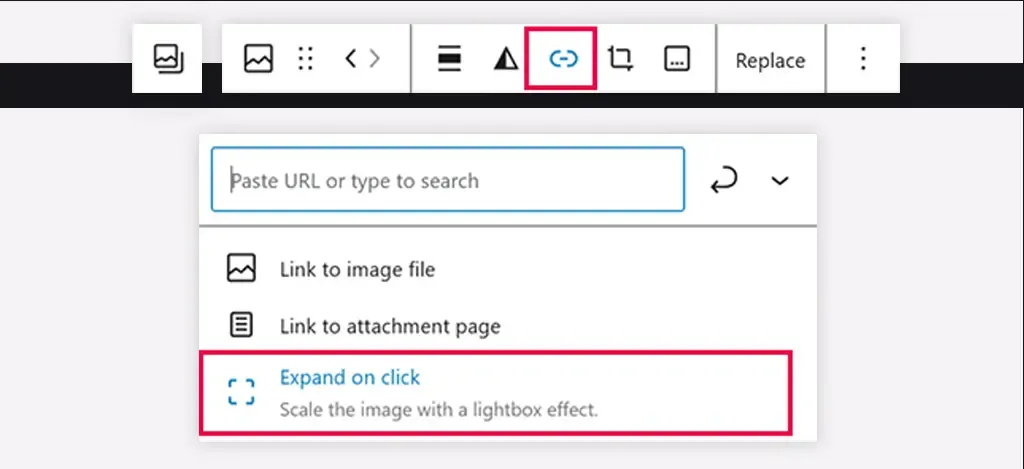
  • Custom Menu Items: Plugins can now include menu items with custom titles and click handlers, giving developers more control over what users can preview and how.
  • Extensibility with Consistency: While the core structure of the Preview dropdown remains unchanged, this API makes it easy to extend its functionality without disrupting the existing layout.

5. Refined Query Loop Block

While it’s crucial for the block to offer a wide range of features, it’s equally important that it remains easy to customize and use. That’s why the Query Loop is getting a thoughtful refresh — from refining the settings copy to enhancing how it detects context, the goal is to make this block more intuitive without sacrificing its capabilities. This update is all about making the Query Loop easier to work with, so you can unlock its full potential with less effort.`
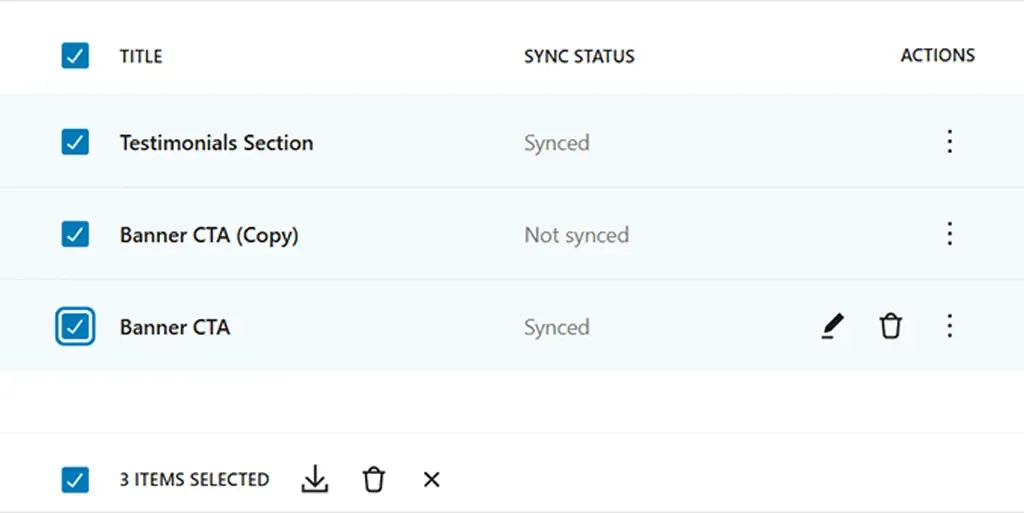
For example, the block’s settings copy is being reworked for clarity, making it easier to understand what each option does. At the same time, better context detection will allow the block to automatically adjust based on where it’s used, saving time and reducing the need for manual adjustments.
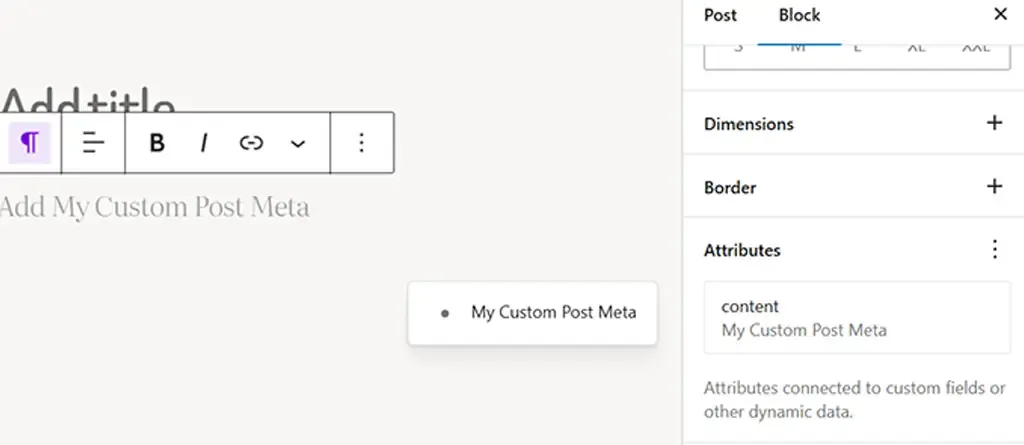
These thoughtful improvements aim to make the Query Loop block not only more powerful but also more intuitive, giving you the ability to create dynamic, content-driven pages with ease.

6. Enhanced Typography and Font Management

Gone are the days of manually tweaking font sizes for different devices! One of the new exciting features in WordPress 6.7 is fluid typography — a smart update that ensures your text looks great no matter what device it’s viewed on.

Fluid typography lets your text resize smoothly and automatically, so your site’s content always looks polished and easy to read. It’s a simple update that makes a big difference, ensuring your typography is always responsive and user-friendly, no matter where it’s being viewed.

In addition to the front-end and editor updates, WordPress 6.7 includes performance optimizations and new APIs for developers:

PHP 8.X Compatibility: Updates to ensure seamless integration with modern PHP versions.
Template Registration API: A new API simplifies how templates are registered programmatically, making plugin development more straightforward.
Script Loader Enhancements: Obsolete polyfills are removed, reducing unnecessary script dependencies.

Wrap Up

With all these exciting updates in WordPress 6.7, it’s clear that the platform is evolving to make site-building easier, more flexible, and more powerful. Whether it’s improving how you work with media, offering more customization options, or enhancing the overall user experience, WordPress is becoming a more intuitive tool for everyone.

Ready to unlock the full potential of your WordPress site? At QeWebby, our team of experts is here to help you make the most of these new features and create a site that truly works for you. Get in touch with us today to take your WordPress experience to the next level!

Additionally, improvements are underway to make the API more accessible for developers, particularly by simplifying how core sources like “Post Meta” manage bindings. This includes expanding support for more core sources and refining the block bindings editor to be more flexible for future needs, such as supporting new pattern override features. These updates will make working with dynamic content in WordPress even easier and more powerful.

Under-the-Hood Improvements

In addition to the front-end and editor updates, WordPress 6.7 includes performance optimizations and new APIs for developers:

  • PHP 8.X Compatibility: Updates to ensure seamless integration with modern PHP versions.
  • Template Registration API: A new API simplifies how templates are registered programmatically, making plugin development more straightforward.
  • Script Loader Enhancements: Obsolete polyfills are removed, reducing unnecessary script dependencies.

7. Interactivity API Enhancements

WordPress 6.7 continues to focus on improving the Interactivity API, aiming to make the code cleaner, more stable, and better suited for asynchronous tasks.

These internal improvements are laying the groundwork for future performance boosts, such as enabling directive code splitting and lazy loading for interactive blocks. WordPress will offer a smoother experience when adding interactive elements to your site by making the API more resilient.

One notable update is the addition of lightbox support to the Gallery block, allowing images to open in a larger view when clicked, providing a richer visual experience. This update will ensure that galleries with multiple images display seamlessly with the lightbox feature, creating a cohesive and engaging browsing experience.

8. Improved Block Library & Patterns

Several improvements have been made to the Block Library and Block Patterns. Notable changes include:

The latest release WordPress 6.7 is all about fine-tuning the user experience with a handful of exciting new features. These include the ability to adjust the density of information in grid layouts, toggle filters in the interface, and customize the order of columns in table views. Additionally, users will now have more control over the aspect ratio of the grid layout, making it easier to tailor designs to their specific needs.

These updates aim to offer greater flexibility and functionality, allowing users to customize their views more effectively. By moving data view options out of menus and giving more control over layout and presentation, WordPress 6.7 enhances the overall usability of these features, making it easier to create clean, user-friendly designs without sacrificing functionality.

9. Refined Data Views

After its initial introduction in WordPress 6.5 and further enhancements in 6.6, the latest release is focused on polishing the user experience with a few key upgrades.

Here are some of the key features for Refined Data Views in WordPress 6.7, in short:

  • Adjust Grid Layout Density: Customize how much information is displayed in grid layouts.
  • Toggle Filters Visibility: Option to hide or show filters in the user interface.
  • Customize Column Order: Rearrange columns in table views to suit your needs.
  • User-Controlled Grid Aspect Ratio: Adjust the aspect ratio of grid layouts for better design flexibility.
  • Streamlined Data View Options: Move data view options out of menus for more intuitive design and customization.

10. Manage Block Bindings Directly

For block bindings, WordPress is now focusing on making the process more user-friendly by adding a new UI that lets you directly connect attributes to data sources, without needing to dive into the Code Editor.

Additionally, improvements are underway to make the API more accessible for developers, particularly by simplifying how core sources like “Post Meta” manage bindings. This includes expanding support for more core sources and refining the block bindings editor to be more flexible for future needs, such as supporting new pattern override features. These updates will make working with dynamic content in WordPress even easier and more powerful.

Under-the-Hood Improvements

In addition to the front-end and editor updates, WordPress 6.7 includes performance optimizations and new APIs for developers:

  • PHP 8.X Compatibility: Updates to ensure seamless integration with modern PHP versions.
  • Template Registration API: A new API simplifies how templates are registered programmatically, making plugin development more straightforward.
  • Script Loader Enhancements: Obsolete polyfills are removed, reducing unnecessary script dependencies.
Wrap Up

With all these exciting updates in WordPress 6.7, it’s clear that the platform is evolving to make site-building easier, more flexible, and more powerful. Whether it’s improving how you work with media, offering more customization options, or enhancing the overall user experience, WordPress is becoming a more intuitive tool for everyone.

Ready to unlock the full potential of your WordPress site? At QeWebby, our team of experts is here to help you make the most of these new features and create a site that truly works for you. Get in touch with us today to take your WordPress experience to the next level!